
Planning a getaway usually means booking a rental car without a second thought. However, savvy travelers have recently uncovered some eye-opening realities about the rental industry that are changing the game entirely. Once you see these hidden truths, you’ll definitely rethink your next trip!
Fees That Double Your Bill
You book a car online for $29 a day and feel pretty smart about scoring a deal. But here's what the booking sites don't show upfront: that "great rate" is just the starting point. Airport fees, insurance pushes, GPS rentals, additional driver costs, and fuel charges can easily double or triple your final bill. What looked like a $200 week suddenly becomes $500 at. Rental companies make most of their profit from these add-ons, not the base rate. They train staff specifically to upsell every customer who walks through the door.
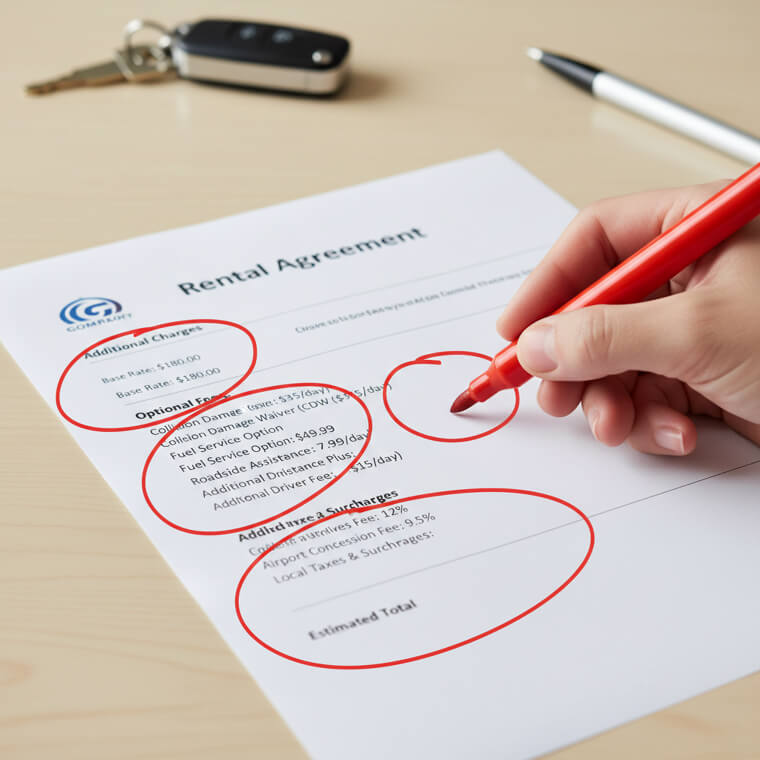
Smart travelers now factor in the real total cost before comparing to alternatives like rideshares for short trips or train travel for longer ones. And that's just the beginning of what rental companies don't want you to know.
The Gas Tank Scam Nobody Talks About
The agent offers to let you return the car empty for "just $40 to fill it up for you. " But here's the math they hope you won't do: that same tank costs about $25 to fill at a regular gas station. You're paying a60% markup for the convenience, and you have no control over whether they actually put in premium gas or just regular. Plus, you still have to find a gas station if you want to top off before returning. Rental companies make millions annually from customers who think this "service time. The reality is you're paying luxury hotel prices for basic gasoline.
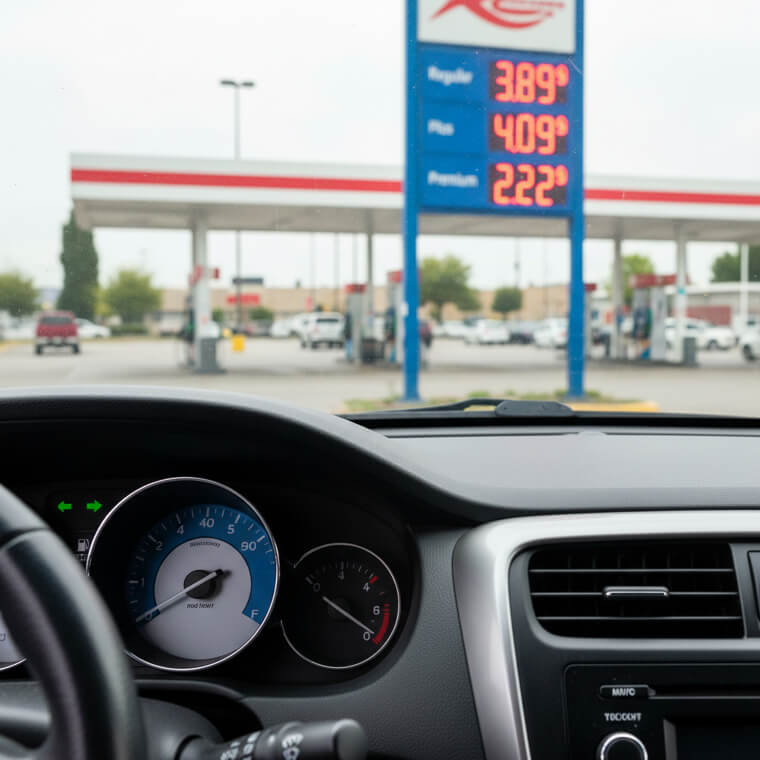
The smarter move is always filling up at the cheapest station within a few miles of the return location. Apps like GasBuddy show you exactly where to go. But the real surprise comes when you think you're being careful about everything.
"Full Coverage" Insurance Isn't Actually Full but It Is Expensive
You pay extra for the rental company's "full coverage" insurance, thinking you're completely protected. But read the fine print: most policies exclude damage to tires, windshieldscarriage, interior, and anything considered "negligent" driving. A cracked windshield from road debris can still cost you $300. Tire damage from a pothole isn't covered. Spill coffee on the seat and you might face cleaning fees that aren't covered by any insurance companies and rental agencies profit by selling policies with impressive names but limited actual coverage. They count on customers not reading the exclusions list.
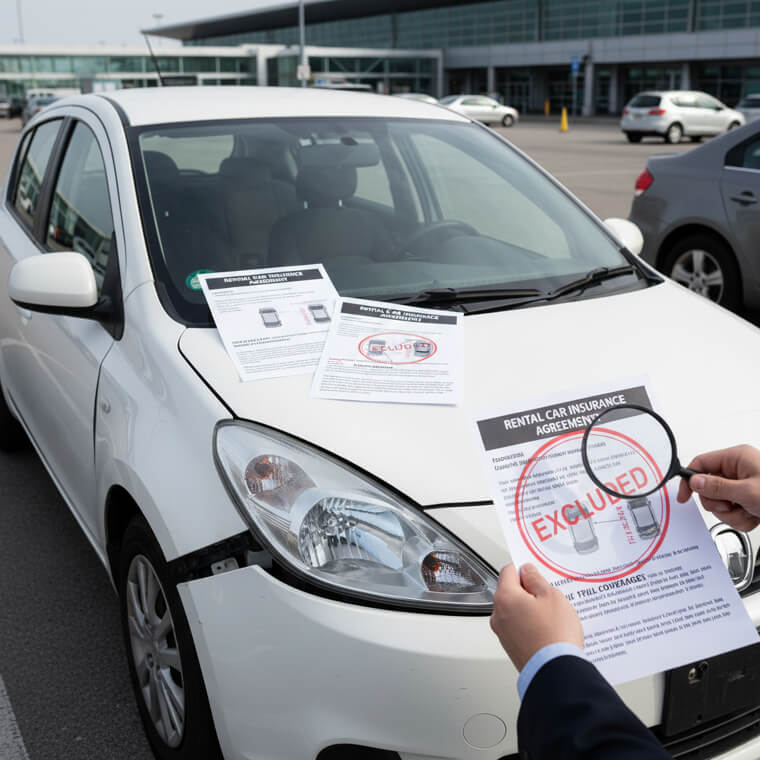
Many travelers now rely on their personal auto insurance or premium credit cards that offer primary rental coverage with fewer exclusions and no. Most people skip this one completely, but it's where the biggest surprises hide.
Peak Times Cost 400% More
You need a car for Memorial Day weekend and see the rates have tripled since last week. But what looks like simple supply and demand is actually sophisticated price manipulation based on your booking patterns and desperation level. Rental companies use pricing algorithms that track your searches, know when you're likely traveling for business versus pleasure, and can detect if you're booking last-minute. Holiday weekends see rates jump 300-400% because they know you have fewer alternatives. The algorithms also factor in local events, weather patterns, and even airline pricing to maximize what they can charge. They're essentially betting you'll pay anything rather than cancel your trip.

Travelers who understand this book rentals the moment they know travel dates, use private browsing to prevent tracking, and always check multiple booking sites and direct rental company websites. And that's not even the most surprise waiting for you.
Your Reserved Car Doesn't Actually Exist and Could Actually Be Overbooked
You arrive at the rental counter with a confirmed reservation, only to hear "We're out of cars in that category. " This isn't bad luck — it's deliberate overbooking that rental companies use to maximize revenue, just like airlines oversell flights. They count on some customers canceling or not showing up, so they book more reserv cars. When everyone shows up, they either offer "free upgrades" to more expensive categories or tell you to wait hours for returns. Unlike airlines, rental companies have no legal obligation to compensate you for their overbooking. You might get a slight discount, but you're stuck with whatever they offer or scram to find alternatives.
The savvy approach is booking with companies that guarantee your car class, having backup reservation with a different company, or choosing off-airport locations that tend to have better availability. The next problem affects your safety in ways you'd never expect.
Maintenance Records Won't Show You the Truth
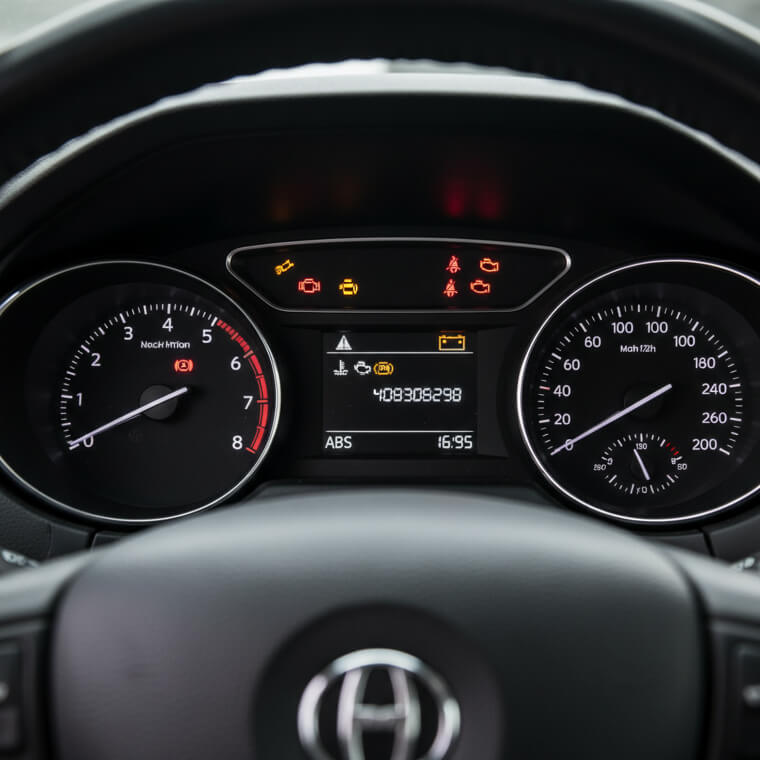
You assume rental cars are well-maintained since companies depend on them for business. But rental fleets often defer maintenance to maximize the number of days each car generates revenue, and they're not required to show you service records changes get stretched beyond recommended intervals, tire rotations are skipped, and minor mechanical issues are ignored until they become major problems. Some cars in rotation have been in minor accidents and repaired with cheaper parts. Fleet vehicles also accumulate wear much faster than personal cars because they're driven by different driving habits every few days. What looks like a newer car might have more hard miles than a five-year-old personal vehicle.
Companies that prioritize transparency publish their maintenance standards and average fleet age. These typically cost slightly more but offer. Most people skip this one, but it can save you serious money.
Disputes Damage Your Credit
You dispute a damage charge that you believe was unfair, thinking the worst case is paying the fee. But rental companies often send disputed charges directly to collections agencies, which can impact you even know there's a problem. The collections process treats rental disputes like any other debt, meaning a $200 scratch charge can result in negative marks on your credit report that take years to remove. Many rental agreements include arbitration clauses that make it expensive and difficult to fight charges through normal legal channels. Credit card processes can help, but they're not guaranteed to work, especially if you waited weeks to notice and report the charge.

The safest approach is documenting everything thoroughly and addressing any issues immediately at return rather than hoping disputed charges will disappear. Doctors mention this one often, people don't realize the connection.
A "One-Way Fee" Often Costs More Than the Car Rental Itself
You need to drive from Los Angeles to San Francisco and return the car there instead of driving back. The one-way fee can easily cost more than the entire rental itself — sometimes $300-500 for trips that would cost $150 in daily rates. This happens because rental companies have to pay to transport cars back to popular pickup locations, and they pass this cost directly the fees often far exceed their actual transportation costs. The pricing makes no sense geographically either. A 100-mile one-way trip might cost $200 extra, while a 300-mile trip costs $250 extra.
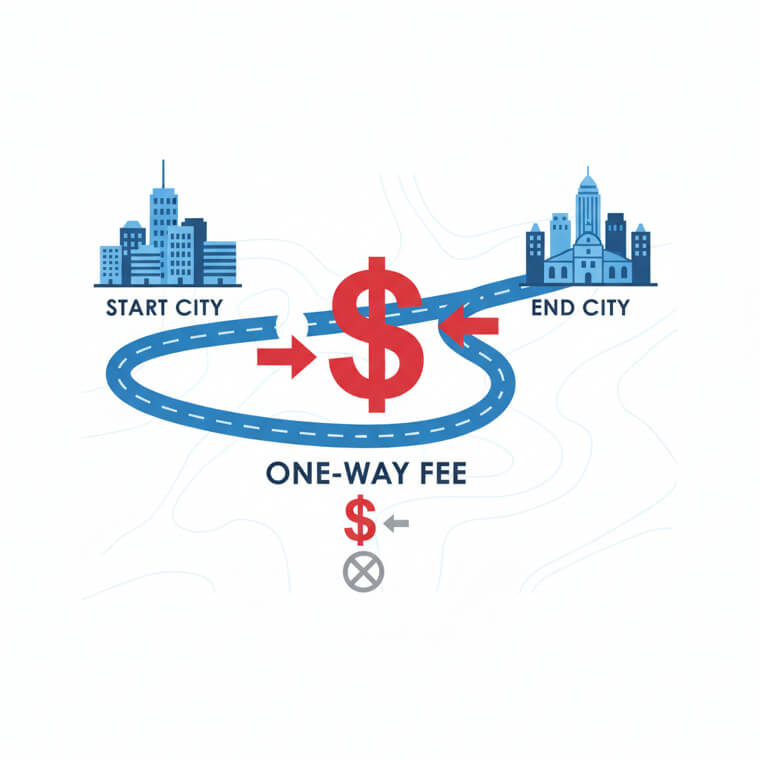
Experienced travelers either plan round trips, look into transportation for one leg, or check if flying one way and renting locally costs less than the one-way fee. But wait until you see how common this next issue really is.
Your Credit Card Takes a $500 Hit
Most people assume the rental charge appears after the car. But rental companies actually place a hold on your credit card that can range from $200 to $500 or more, depending on the vehicle class. This hold ties up your available credit for days or even weeks after you return the car. If you're traveling on a tight budget or planned expenses, this can create serious cash flow problems. The hold exists because rental companies want protection against damage, traffic tickets, or toll charges that might appear later. But they're not required to tell you the exact amount until you're already committed.

Experienced use a dedicated travel credit card with a high limit specifically for rental holds, keeping their main cards free for actual expenses. The next issue affects your wallet in a completely different way.
Rental Car Air Causes Problems
You start sneezing or feeling congested after a few hours in a rental car. Rental car air conditioning systems are rarely cleaned between renters, and cabin air filters are changed far less frequently than recommended for personal vehicles. The closed environment concentrates allergens, bacteria, and odors from hundreds of previous renters. Cleaning crews focus on visible surfaces but don't address air quality issues. Some rental cars have been smoked in despite no-smoking policies, and standard cleaning doesn't remove all traces from the ventilation system. People with allergies or respiratory sensitivities often experience symptoms that they don't connect to the rental car until they're already uncomfortable.
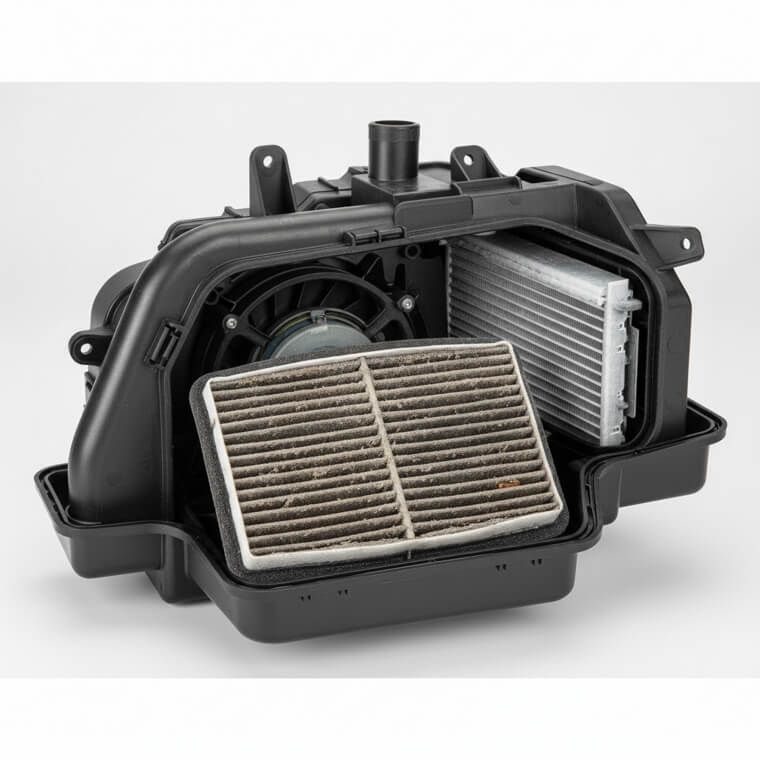
Opening windows when possible and bringing your own air fresh travelers with serious sensitivities now avoid rental cars entirely for health reasons. The next one hides in plain sight but costs more than most people realize.
The Green Car Lie That Ends up Costing You Extra
You choose a hybrid rental car thinking you'll save money on gas the environment. But hybrid rentals often require premium gasoline, cost $10-20 more per day to rent, and don't deliver the fuel savings you expect because they're not broken in properly or maintained for optimal efficiency. Rental companies market hybrid and electric vehicles as premium options while the actual fuel savings rarely offset the higher rental. Electric vehicle rentals create additional complications with finding charging stations, planning routes around charging time, and potentially paying for expensive fast-charging sessions.
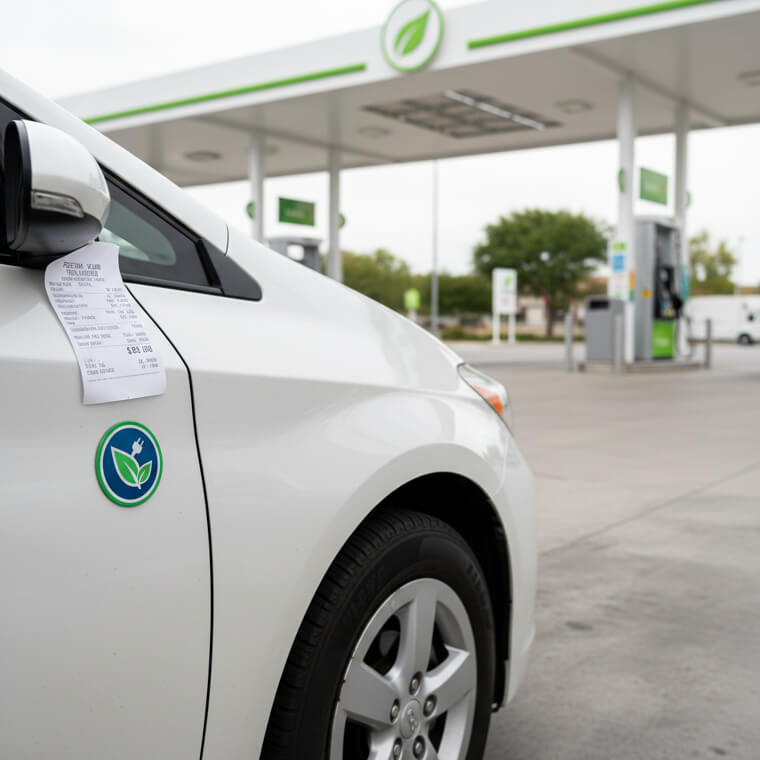
The environmental benefits are also questionable when you consider that rental cars are used much more intens replaced more frequently. For most trips, a standard efficient compact car costs less overall and creates fewer logistical complications than "green" rental options. The next issue affects your time in ways you never considered.
Rental Pickup Takes Forever
You budget 15 minutes for rental pickup thinking it's like any other business transaction. But rental counters are designed to maximize upselling time, with agents required to offer multiple additional services, verify extensive documentation, and explain insurance options whether you want them or not. Airport locations especially slow because they process hundreds of customers daily through limited counter space, and staff prioritize commission-generating sales over speed. The process often takes 30-45 minutes even with reservations, and you can't speed it up by declining extras upfront — must complete their full sales presentation. Peak travel times can mean waiting in line for an hour before you even reach a counter, then another 30+ minutes for processing.

Smart travelers now factor rental pickup time into their travel schedules and avoid airport choosing off-site locations that offer shuttle service but faster processing. And that's not even the biggest time waste waiting for you.
Rental Car Emergency Kits Are Useless and You'll End up Paying for Expensive Third-Party Services
You're driving through unfamiliar territory when something goes wrong with your rental car. Most people assume rental companies provide supplies like jumper cables or spare tire tools. They don't. When you're stranded on a highway at night, calling for help can cost $150-300 for roadside assistance that your personal car insurance would cover for free. Rental companies strip out emergency to reduce theft and maintenance costs. The "roadside assistance" they offer connects you to expensive third-party services that charge premium rates.
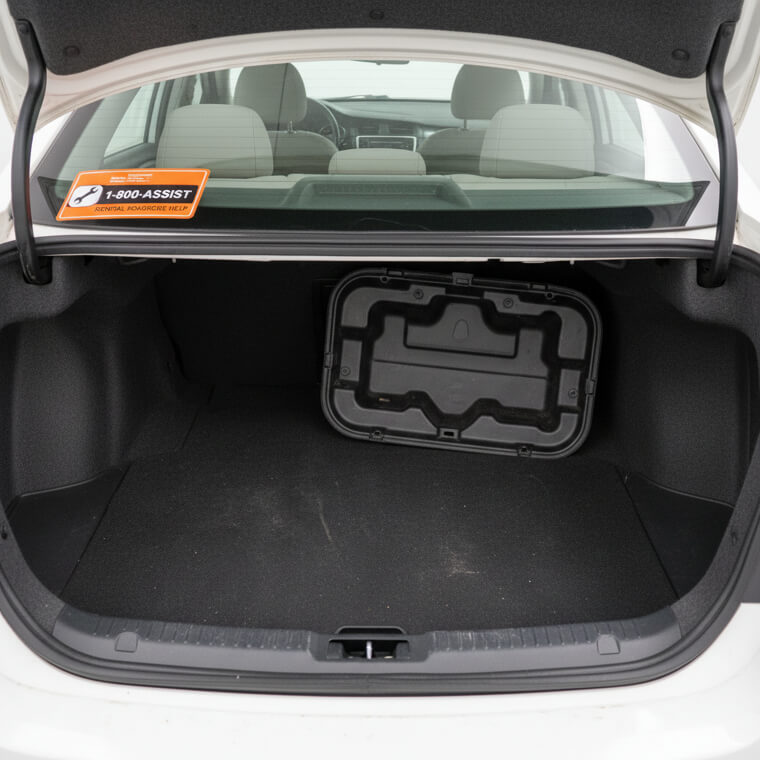
Smart travelers pack their own emergency kit or verify their personal auto insurance covers rental cars for roadside help. The next truth will what happens to your personal belongings.
Rental Cars Can Track Every Single Thing You Do, Which Can Be Used Against You in Any Claims You Make
Modern rental cars come equipped with sophisticated tracking systems that monitor everything you do. Most people don't know your speed, routes, hard braking, and even how long you idle. This information can be used against you in accident claims, shared with law enforcement, or sold to data brokers who build profiles for insurance companies. GPS systems in rental cars store location history that can access months later. Some cars even have cameras that activate during certain events like sudden stops.
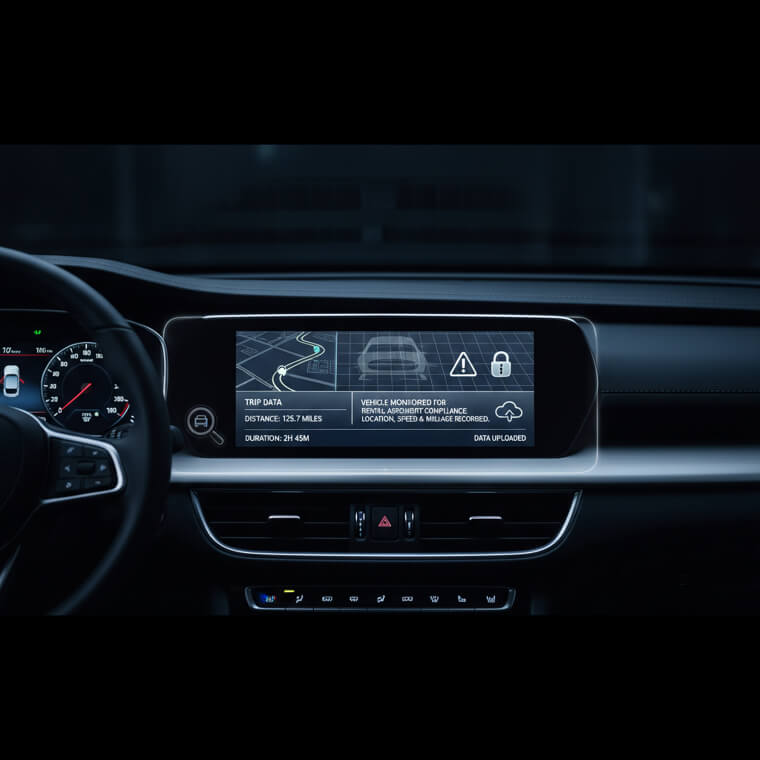
Read the privacy policy carefully and ask specifically about data collection before signing any rental agreement. But data tracking isn't the most invasive thing rental companies do.
The "Lost Items Policy" Actually Means You'll Likely Never Get Your Stuff Back
You accidentally leave something valuable in your rental car after's what most people don't realize: rental companies have zero obligation to return lost items, even expensive ones. A forgotten phone, laptop, or jewelry becomes the company's property after 30-90 days, depending on state laws. Some sell unclaimed items at auction. The fine agreements specifically disclaims responsibility for personal belongings. Cleaning crews often find items but companies rarely make serious efforts to contact you.
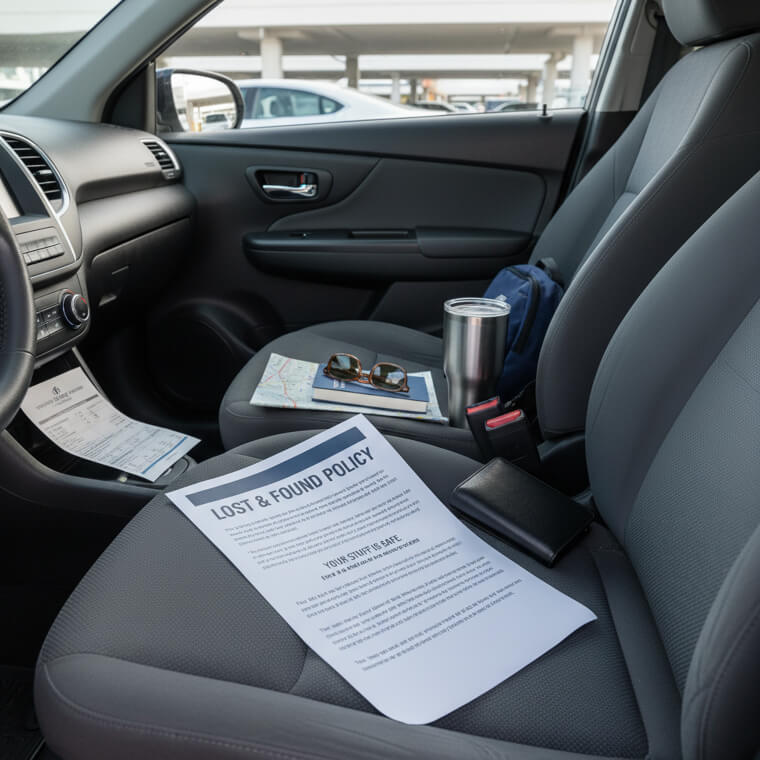
Always do a thorough sweep of the entire car, including under seats, cup holders, and door pockets before away. This is minor compared to what happens with your driving data.
Customer Service Often Disappears Once You've Already Booked and Paid
Something goes wrong with your rental, and you need immediate help from customer service. The customer service number that worked fine during booking suddenly puts you on hold for hours or transfers you endlessly. When you're dealing with an emergency repair, accident, or breakdown, time costs money and stress. Poor service can strand you for hours in unfamiliar locations. Rental companies deliberately understaff customer service to cut costs, knowing most issues eventually resolve themselves or customers give up.

Always local branch phone numbers and manager contact information before leaving the rental lot. Take photos of all paperwork with contact details. The insurance truth that comes next affects every single rental.
Business Rental Receipts Trigger Tax Problems
You rent a car for business and assume are tax-deductible business expenses. Personal charges mixed with business rentals can trigger IRS audits and disallow legitimate business deductions. Adding family members to the rental, personal stops, or entertainment-related driving makes the entire rental partially non-deductible, potentially co in taxes. The IRS scrutinizes rental car expenses because they're easily abused. Mixed personal and business use requires detailed logs and documentation most people don't maintain.
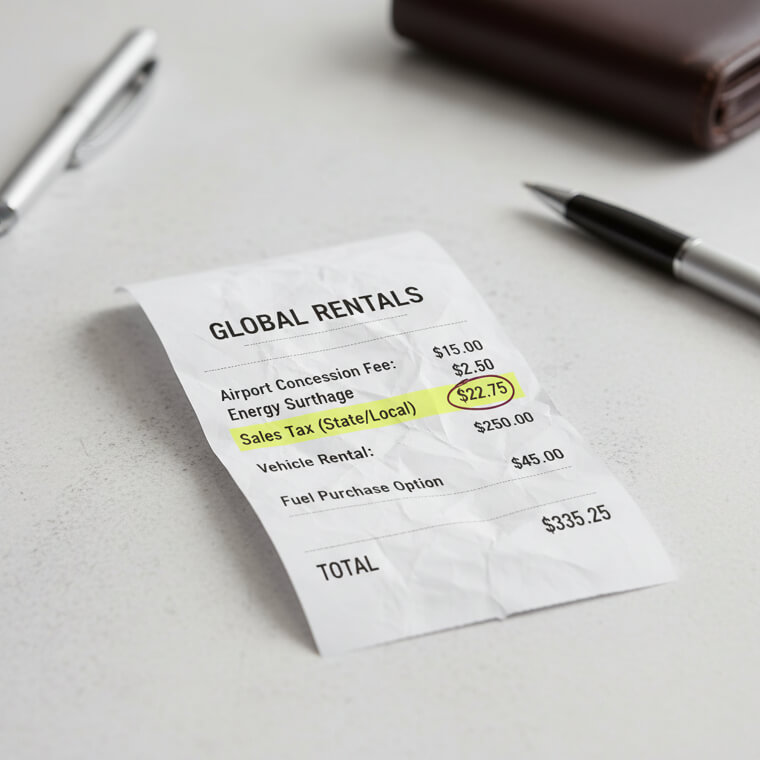
Keep separate rentals for business and personal use, or maintain detailed mileage logs that prove business purpose for every mile driven. This administrative headales compared to what happens during peak seasons.
The Small Town Rental Trap That Costs Double
You need a rental car in a smaller city or rural area for a family event or business trip. Small town rental locations often charge 50-100% more than major cities due to limited competition and lower inventory turn stranded in small towns without transportation options can force you to accept any available rental at inflated prices, especially during local events or emergencies. Rural locations have higher operational costs per vehicle and less competition, allowing them to maintain premium pricing year-round.
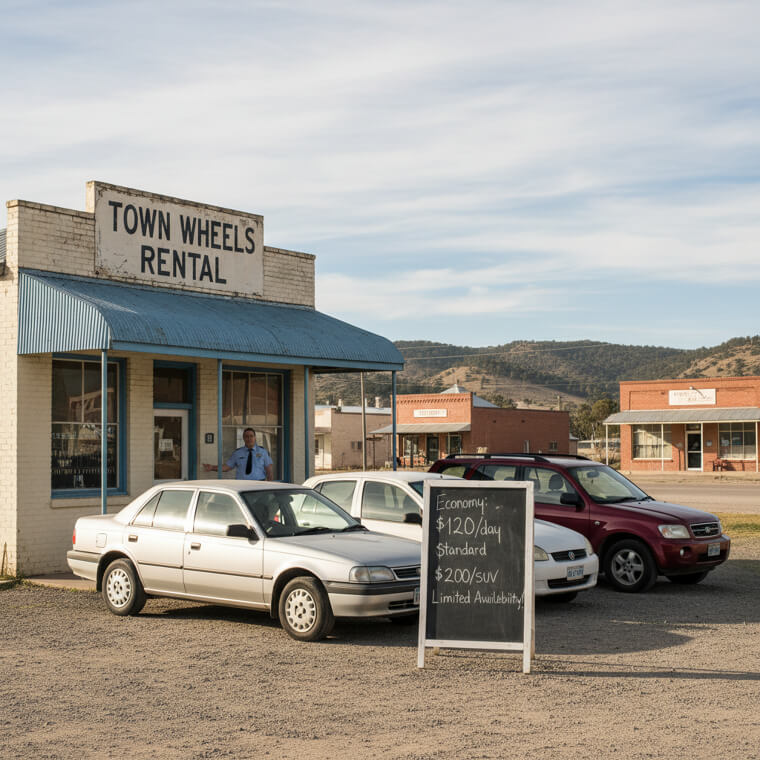
Check rent larger cities and factor in transportation costs to reach them. Sometimes driving an hour saves hundreds of dollars. But rural pricing isn't the most expensive rental situation you'll encounter.
The Unlimited Mileage Lie That Charges Per Mile
Your rental agreement advertises "unlimited mileage" for your road trip. Hidden cap "unlimited" mileage at 150-250 miles per day, with charges of $0. 25-0. 50 per mile over the limit. A 2,000-mile road trip could trigger $500+ in overage fees that weren't disclosed during booking, turning an affordable rental into an. The word "unlimited" in rental car marketing rarely means truly unlimited. Fine print contains daily limits, geographic restrictions, or total trip mileage caps.

Calculate your expected mileage before booking and get written confirmation of any mileage limitations. Consider one-way rentals for long-distance trips. Geographic restrictions create an even for travelers.
During Busy Seasons, Rental Companies Cancel Reservations Without Any Notice
You arrive at the rental counter with your confirmation number and prepayment receipt. During peak times, rental companies routinely cancel confirmed reservations without notice, leaving you stranded without transportation. Overbooking is standard practice because rental companies know some customers won't show up, but they consistently overestimate no-show rates during busy periods. Having a confirmation number doesn't guarantee a car. Companies prioritize customers willing to pay premium rates or upgrade to expensive vehicles over confirmed bookings.
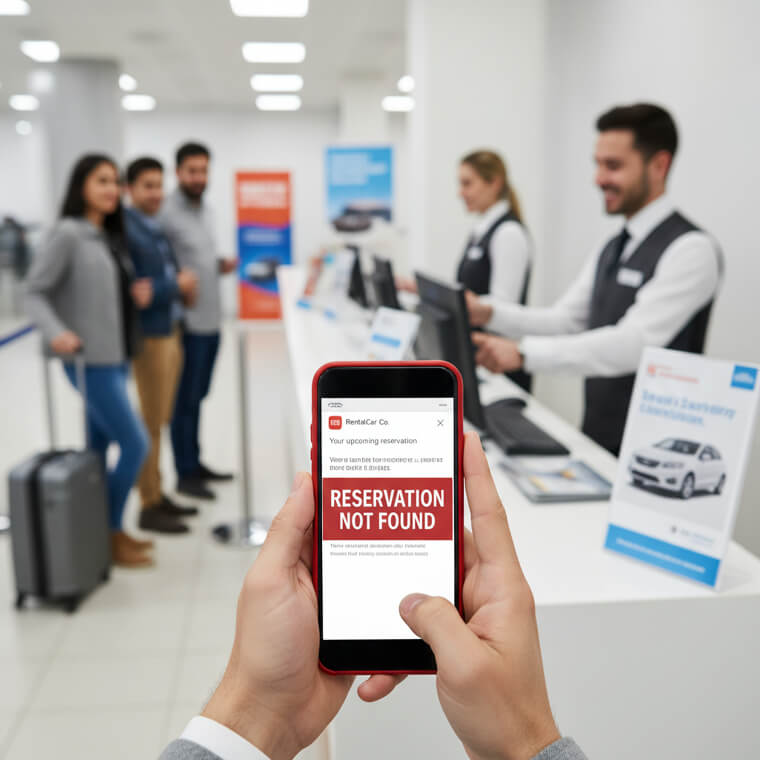
Screenshot all confirmation details and call the location directly 24 hours before pickup to verify availability. Have backup rentalched and ready. But confirmed reservations aren't the most unreliable part of the rental process.
Rental Car Condition Reports Are Fiction - You Should Create Your Own Condition Report Before Driving
The rental agent quickly walks around your car, marking "no damage" on the condition report. Condition reports often miss existing damage that you'll be charged for when returning the car, sometimes hundreds of dollars for pre-existing scratches or dents. Fighting damage charges after returning home costs time, phone calls, and often requires legal action that costs more than paying the fraudulent charges. Rental agents are trained to complete inspections quickly to keep lines moving. They skip detailed examinations and rely on customers not noticing discrepancies until it's too late.
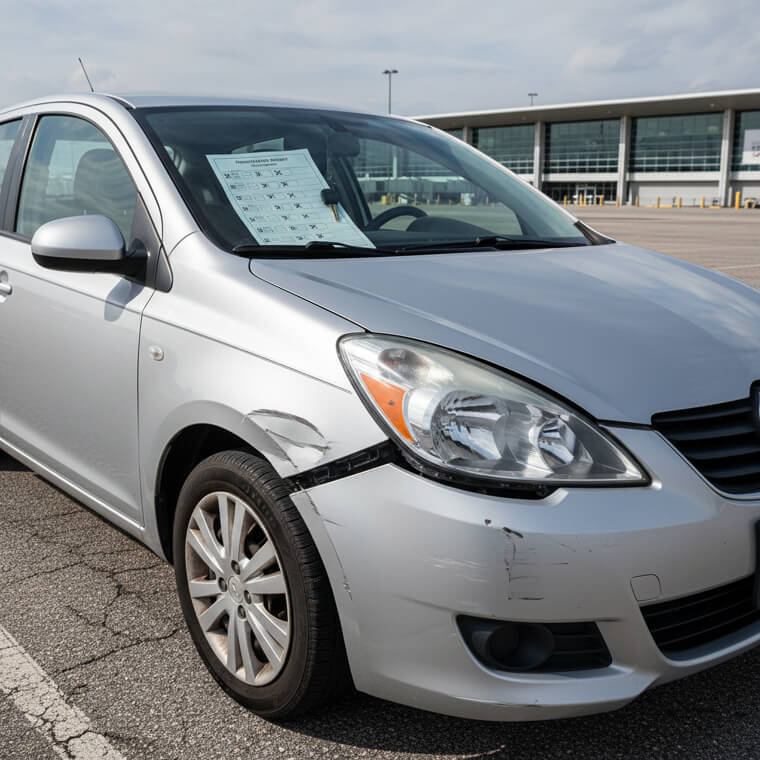
Take photos or video of every surface of your rental car before leaving the lot. Document the timeileage. Don't accept rushed inspections. The return inspection process makes this initial inspection look honest.
Rental Companies Profit the Most From Fees, Penalties, Damage Charges, and Customer Mistakes
You assume car companies make money primarily from daily rental rates. The highest profit margins come from fees, penalties, damage charges, and customer mistakes—not the base rental price itself. Late return fees, cleaning charges, fuel costs, and damage claims often generate 40 rental company's profit margin on each transaction. Base rental rates are kept artificially low to attract customers, while the real money comes from add-on charges that customers don't expect or budget for.
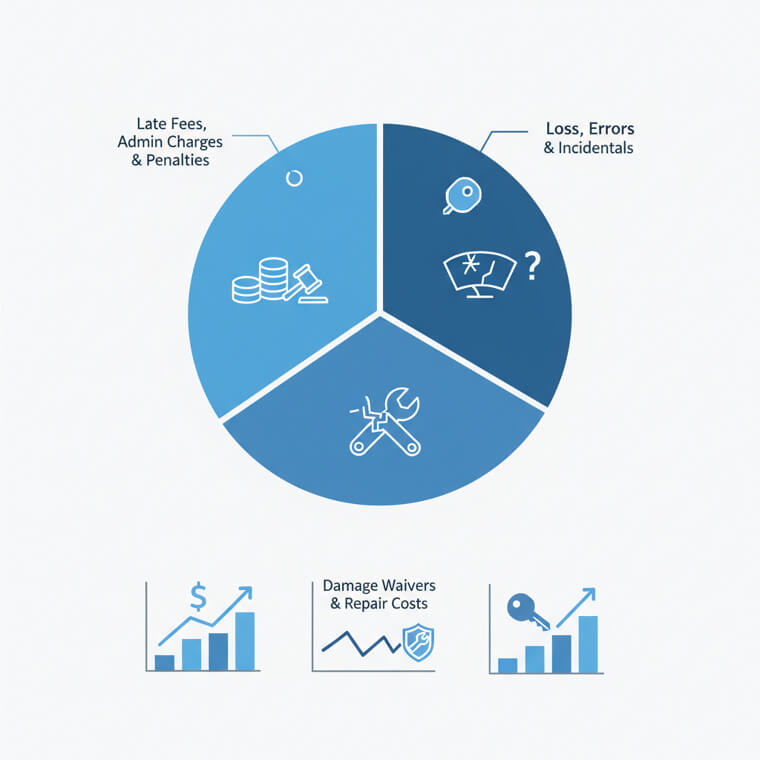
Budget an extra 30-50% beyond the base rental price for potential fees and. This mindset helps you avoid the profit-generating traps. The alternatives that smart travelers choose solve most of these problems.
The Return Process Often Ruins Departure Days
You plan to drop off the rental car an hour before that's plenty of time. But rental returns during busy travel periods can take longer than the original pickup, with systematic inspections, paperwork processing, and shuttle waits that can easily consume 90 minutes. Return lots often have confusing layouts that waste time finding the, and shuttle buses run on schedules that don't align with your departure needs. Staff shortages during peak times mean longer waits for inspection, and any questions about charges or damage can add another 30 minutes to resolve.
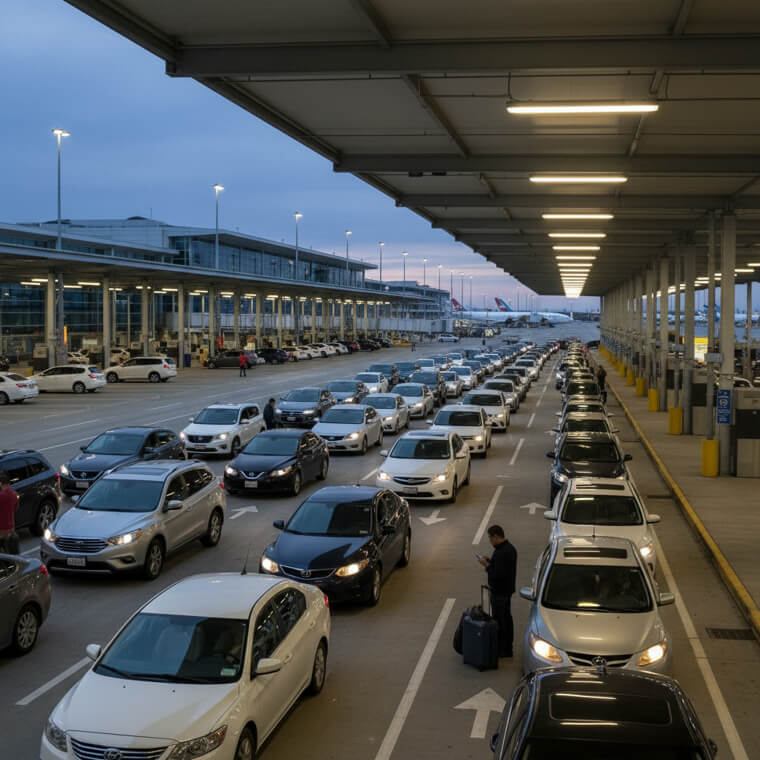
Missing flights because of rental return delays is common enough that experienced travelers either cars the night before departure or budget 2+ hours for the entire return process. The stress of rushing through returns also makes you less likely to notice unfair charges that you could dispute on the spot.
The Inspection Trick That Costs Hundreds
You do a quick walk-around and think you've spotted all the damage before driving off. But rental return lots are often dimly lit, and staff use high-powered flashlights to find dings you never could have seen during pickup. Tiny door dings, small scratches, or minor scuffs that were already there suddenly become your responsibility. Without clear photos proving-existing damage, you're stuck paying repair costs that often exceed the actual damage value. Rental companies outsource repairs to preferred shops that charge premium rates. A $50 scratch repair becomes a $200 charge because they know insurance or customers will pay without question.
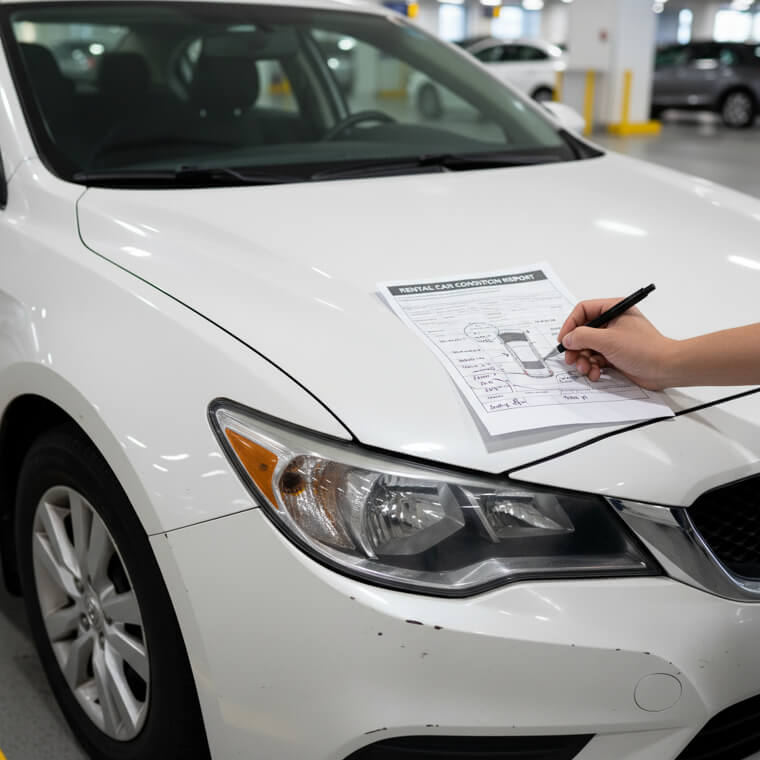
Smart renters now take detailed photos and videos every surface in good lighting before leaving the lot, and they make sure rental staff initial any damage they find. The next revelation changes how you think about booking entirely.
Tolls Become Highway Robbery
You use the car's electronic toll pass thinking it's convenient and probably than stopping for cash. Here's what they don't tell you: rental companies charge administrative fees for each toll transaction, often $3-5 per day you use any toll road, plus the actual toll cost. A $2 bridge toll becomes $7. Drive through multiple toll one day and you're still charged the daily administrative fee only once, but take tolls on three separate days and you pay the fee three times. The administrative fees often exceed the actual toll costs, turning a $10 toll day into a $25 charge. And you won't see charges until weeks later when they appear on your credit card.
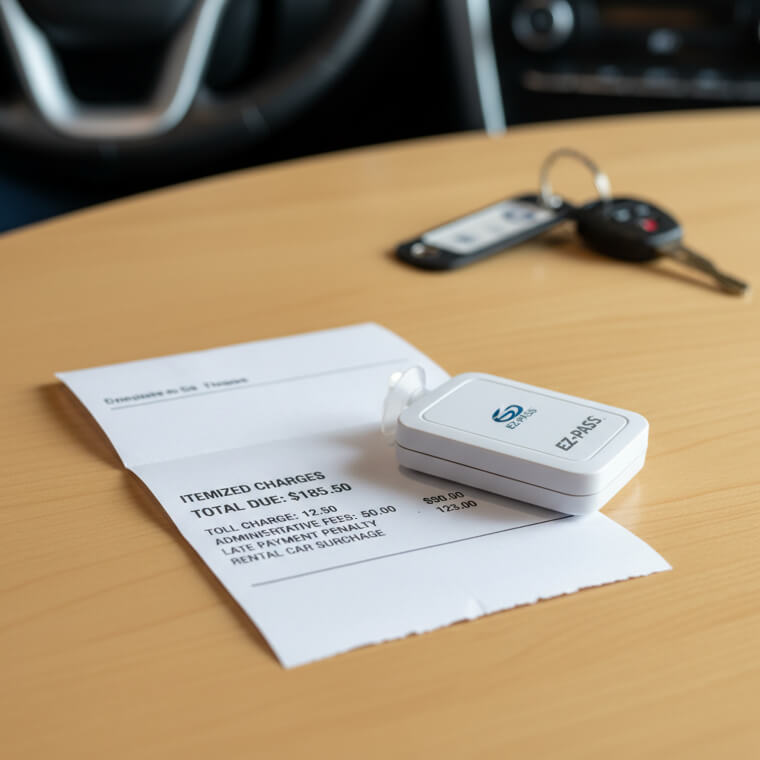
Smart travelers either avoid toll roads entirely, pay cash at toll plazas, or use their personal transponder if the rental company allows it. And that's not the most surprising one.
The Upgrade Pressure That Backfires
The agent enthusiastically offers to upgrade you from a compact to an SUV "for just $15 more per day. " But that small daily increase translates to $105 more for a week-long rental, plus higher gas costs, more expensive toll fees based on vehicle size, and potentially higher parking fees in urban areas. The upgrade sales pitch focuses on comfort and prestige while ignoring the total cost impact. Larger vehicles also limit your parking options and can be harder to navigate in tight city streets or parking garages. Rental agents earn are trained to make the daily increase sound minimal while downplaying the total cost difference.
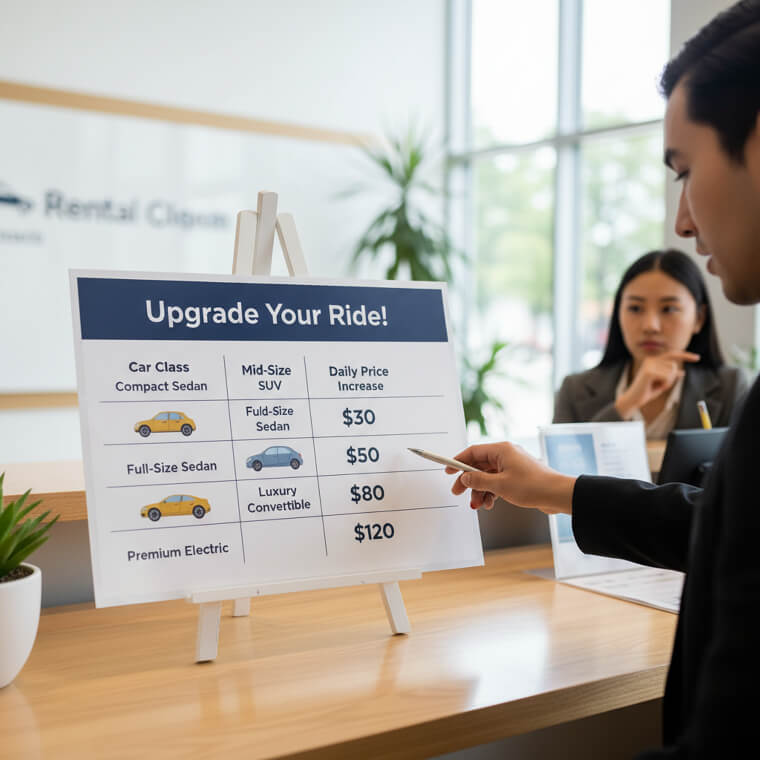
Unless you specifically need the larger vehicle for passengers or cargo, the compact car you originally booked usually makes more financial and practical sense. The next issue is surprisingly common among travelers.
Business Rentals Still Cost You Your Personal Money
Your company covers rental cars, so you figure you're set for business travel. But many corporate rates exclude insurance coverage you personally liable for damage even when traveling for work. If you decline additional insurance to save company money, you're taking personal financial risk. Corporate accounts also often limit vehicle selection to economy cars, which might be uncomfortable for long business trips or inadequate if clients or materials. Some companies reimburse mileage for personal vehicles at rates that make driving your own car more profitable than renting, especially for shorter business trips. The business rental process also tends to be slower, with more paperwork and verification steps that can add -20 minutes to pickup time.

Smart business travelers understand their company's actual policy details and know when personal alternatives make more sense. But wait until you see how the return process can catch you off guard.
The Return Inspection That Never Ends
You return the car thinking a quick drop-off will get you to your flight on time. But return inspections can take 15-30 minutes as staff examine every surface for new damage, check fluid levels, and verify mileage against their records. During busy periods, you might wait in line just to begin the return then wait again while they complete the inspection. Miss your flight because of rental return delays and the rental company takes no responsibility. Some locations use deliberately slow inspection processes to encourage customers to choose expedited return services for additional fees. The inspection also happens under optimal reveal minor damage you never could have prevented or noticed during normal use.
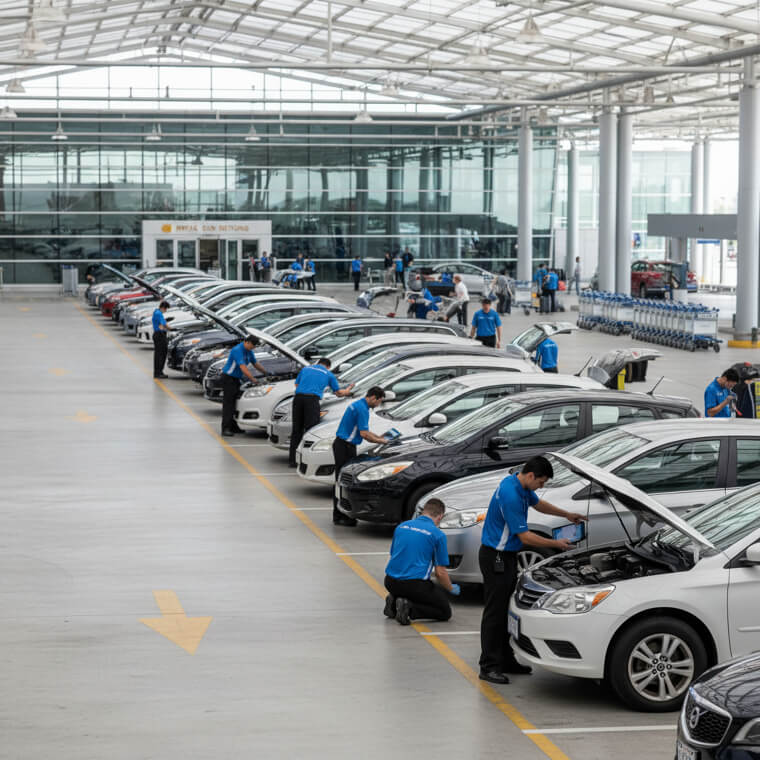
Experienced renters always budget extra time for returns and take final photos before getting in the return line to document the car's condition. The next revelation affects your credit score in ways you might not realize.
The Parking Fees Nobody Mentions
You rent a car for city travel thinking it's cheaper than rideshares for multiple trips. But urban parking costs $20-40 per day in most major cities, hotel valet parking adds another $30-50 daily, and you still pay for gas and the rental itself. A week-long city trip with rental, often costs more than taking rideshares for individual trips, especially when you factor in the stress of finding parking and walking from distant lots. Tourist areas charge premium parking rates, and many attractions have limited parking that fills up early, forcing you to expensive private lots. The rental car also becomes a liability for break-ins in urban areas, and you're responsible for any theft or vandalism that occurs while parked.
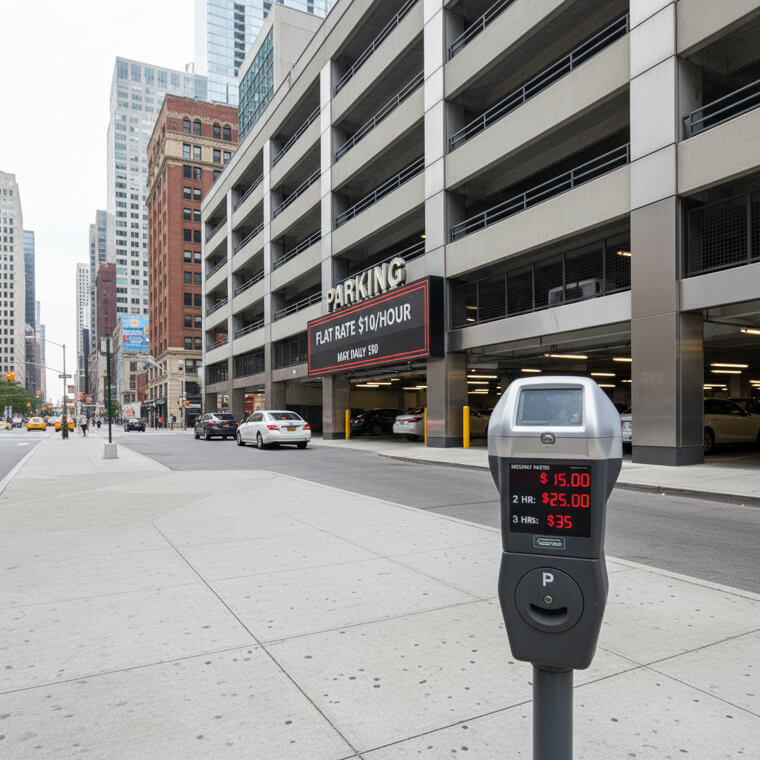
Many experienced city travelers now skip rental cars entirely and use public transportation, rideshares, or walking for urban trips. This is surprisingly common among families, but few talk.
Family Road Trips Become Financial Disasters
You rent an SUV for a family vacation thinking one weekly rate covers everyone's transportation. But family rentals require additional driver fees for any parent who might drive, child safety seats that cost $10-15 per day each, and larger vehicles that consume significantly more gas. The combination can make a $300 weekly rental cost $600 or more, before factoring in increased toll costs, parking fees for larger vehicles, and the stress of navigating unfamiliar areas with kids in the car. Family road increase the likelihood of spills, damage, or lost items that result in additional charges when you return the vehicle. Many families now find that flying to destinations and using local transportation or shorter rental periods costs less than driving rental cars for entire vacations.

The vacation stress often perceived savings from having your own transportation. But the real surprise comes when you think you're being environmentally conscious.
The Personal Auto Insurance Gap That Bankrupts You
Your personal car insurance covers rental cars, so you skip the rental company's insurance. Most personal auto policies have coverage gaps that leave you financially exposed when driving rental cars in different states or situations. A serious accident could result50,000+ in uncovered costs if your personal policy has lower limits than the rental company requires, or doesn't cover certain types of damage. Personal insurance often excludes coverage for business use, international driving, or luxury vehicles that rental companies might upgrade you to.

Contact your insurance agent before any rental to verify exact coverage limits and gap areas. Consider umbrella policies for frequent renters. Most people never discover this gap until it's too late to fix.
Airport Rental Returns Create Travel Chaos
You're returning your rental car at the airport with plenty of time before your flight. Airport rental returns can take 45-90 minutes due to inspections, shuttle waits, and processing delays during busy periods. Missing flights costs hundreds in rebooking fees, hotel stays, and lost productivity. Tight connections become impossible when rental take longer than expected. Rental companies at airports process higher volumes with the same staffing, creating inevitable bottlenecks. Holiday periods make this exponentially worse.

Plan for minimum 90 minutes between rental return and domestic flights, 2+ hours for international. Consider off-airport locations that offer direct shuttle service. The financial surprise that comes next hits business travelers hardest.
Holiday Rental Rates Become Unaffordable
You need a rental car during Thanksgiving, Christmas, or summer vacation season. Rental rates during holidays can increase 500-800% over normal pricing, turning a $200 rental into a $1,200+ expense. Popular vacation destinations become rental car deserts during peak times, with any available cars priced at luxury levels that strain vacation budgets. Rental companies use dynamic pricing algorithms that raise rates as decreases. Holiday demand is predictable, so they maximize profits ruthlessly.

Book holiday rentals 3-6 months early or consider alternative transportation like trains, buses, or ride-sharing for vacation destinations. The location factor that affects pricing might surprise you even more.
One-Day Rentals Cost More Than Weekly
You need a rental car for just one or two days for a quick trip or emergency. Daily rental rates are often higher per day than weekly rates, making short rentals disproportionately expensive. A two-day rental might cost $180 while a seven-day rental costs $210alizing customers who need cars for shorter periods. Rental companies prefer longer rentals because they reduce fleet turnover costs and administrative overhead. Short rentals require more frequent cleaning, inspection, and processing. Compare weekly rates when renting for 2-3 days.
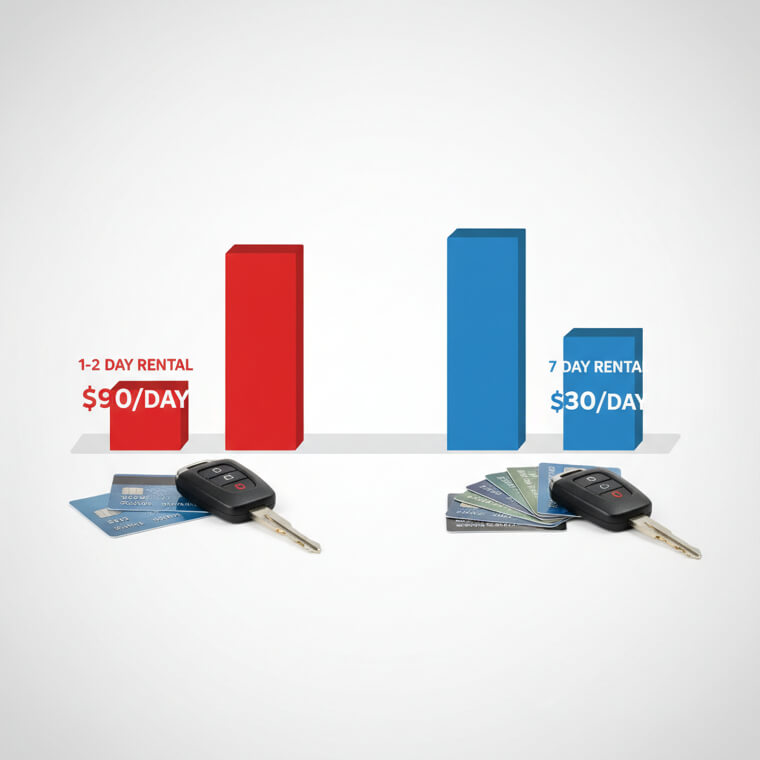
Sometimes paying for unused days costs less than daily rates, discount codes for weekly rentals. The mileage restrictions that come next can trap even careful drivers.
Crossing State Lines Voids Your Rental
You're planning a multi-state road trip with your rental car. Many rental agreements restrict travel to certain states or regions, voiding insurance coverage and potentially triggering penalties if you cross forbidden boundaries. Accidents or breakdowns in "unauthorized" states can leave you personally liable for all costs, potentially reaching tens of thousands of dollars. Rental companies limit geographic areas to control insurance costs and fleet management complexity. Some restrict travel to Mexico, Canada, or specific high-risk states.
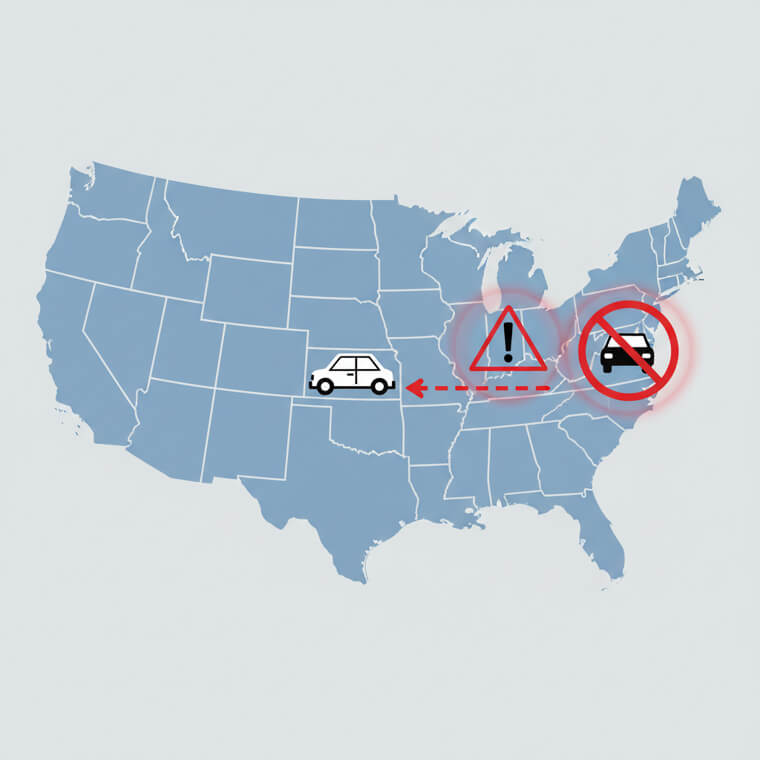
Always disclose your planned booking and get written authorization for multi-state travel. Verify insurance coverage extends to all planned destinations. The timing of when you discover these restrictions creates another problem.
The Rental Return Inspection That Never Ends
You return your rental car in the Return inspections can take 30-45 minutes as agents scrutinize every inch looking for damage to charge you for, even microscopic scratches that weren't there initially. Extended inspections make you late for flights, meetings, or other commitments while agents search for billable damage on cars that may have been damaged by previous renters. Rental companies profit from damage charges and train agents to find chargeable issues.
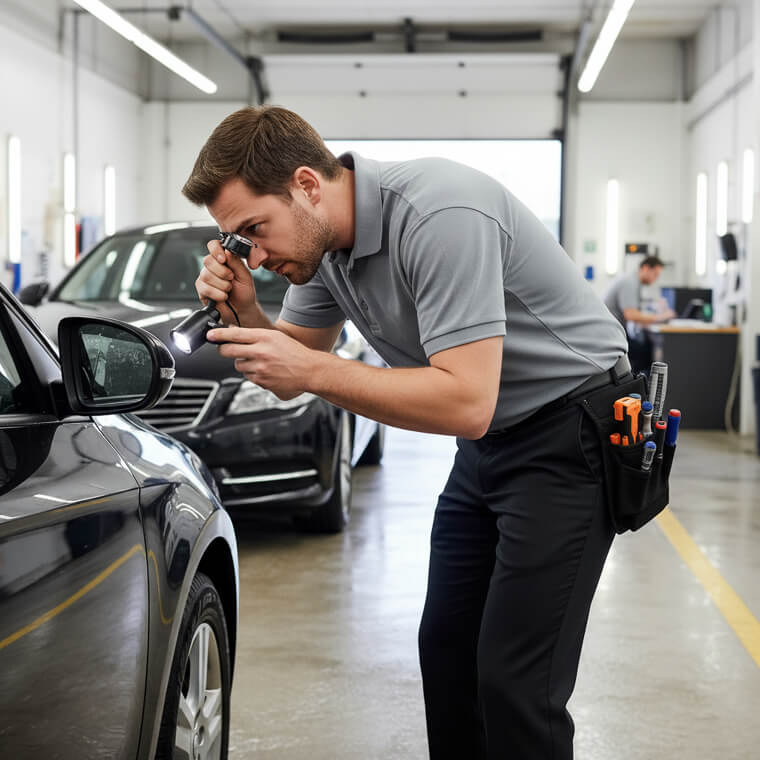
The longer they look, the more likely they'll find something to bill. Insist on participating in the return inspection and point out that all damage was documented during pickup. Take the return process as proof. Most people never realize how the rental industry's profit model works until it's too late.
Why Ride-Sharing Beats Rentals for Short Trips
You need transportation for a two-day business trip or short vacation. For trips under 200 miles total, ride-sharing often costs less than rental cars when you factor in all fees, insurance, fuel, and parking costs. Ride-sharing eliminates inspection hassles, damage liability, fuel requirements, and hidden fees while providing door-to-door service without parking concerns. Short-term rentals accumulate fees that make the total cost much higher than advertised, while ride-sharing shows upfront pricing with no surprises. Calculate the true total cost of rentals including all fees before booking.

For urban destinations especially, ride-sharing plus longer trips can save significant money. Car sharing services offer another alternative that solves different problems.