
Buying a new car is incredibly exciting, but some sets of wheels drop in value faster than a stone. We’ve rounded up the worst offenders that reportedly lose massive value almost instantly. Dive in to see which models might wreck your investment!
These Cars Drop in Value as Soon as They're Driven off the Lot
No one expects to drive the same car forever, which is why depreciation and resale value is equally as important to consider when purchasing a vehicle as its speed, performance, and practicality. Some of the worst offenders include EVs and luxury models, but a few of these may surprise you nonetheless. While driving a new vehicle off the lot feels amazing, that initial wave of excitement can quickly disappear when you realize just how much equity vanishes within the first few miles.
It is a common financial reality that new rides take a major hit right away, but certain makes and models shed their worth at an alarming rate compared to the industry average. Understanding these steep declines helps smart buyers avoid massive pitfalls down the road. Let's examine the worst options.
Jaguar I‑Pace
The I-Pace is one swanky-looking vehicle, an all-electric sedan featuring Jaguar’s trademark consummate craftsmanship. Unfortunately, it’s also one of the worst purchases you can make if you’re hoping to make a return on your investment - the I-Pace loses 73% of its value over just five years. This massive drop makes it one of the fastest-depreciating electric options available. Several distinct factors contribute to this decline, including the rapid pace of EV technology advancements that quickly leave older luxury options feeling dated.
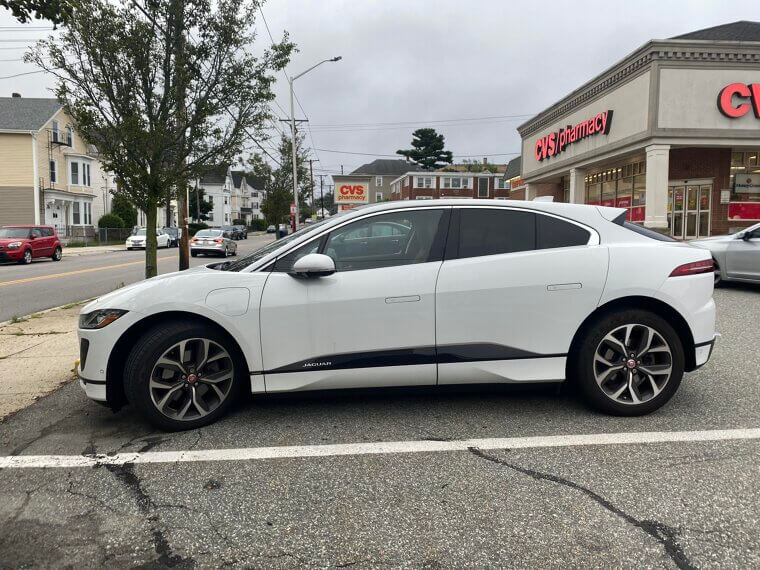
Compounding the issue are high maintenance costs and specialized battery repairs, which easily scare off secondary market buyers. Furthermore, as newer competitors introduce vastly superior driving ranges, earlier alternative models are pushed aside. While the car delivers a wonderful, quiet ride initially, it serves as a stark reminder of how brutal luxury EV depreciation can be.
Tesla Model S
Featuring a sleek, aerodynamic design and tons of fancy infotainment features and technology, the Model S is but one of the jewels in Tesla’s crown. An all-electric five-seater, it was designed with long trips in mind - but that’s about all the longevity it can lay claim to, since the car loses 65.2% of its value over just five years. This steep financial decline is largely driven by regular, unpredictable price cuts on brand new vehicles, which instantly tanks the resale value of older versions.
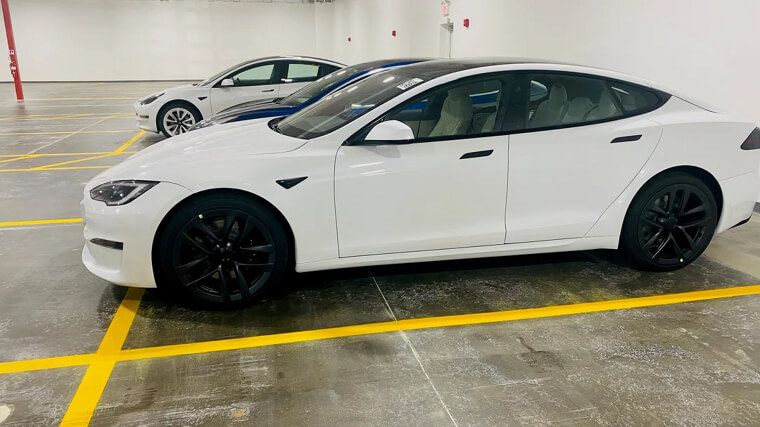
Additionally, second hand buyers are often wary of battery degradation and the expensive repair bills that come without a factory warranty. Continuous software and hardware updates also mean older models feel dated quickly, severely reducing secondary market interest and making it a very tough pill for original owners to swallow.
Nissan Leaf
In production since 2010, the Leaf was one of the first success stories within the electric car market. What started as a compact hatchback is now a big crossover SUV - but once you start looking at the depreciation rates for these vehicles, it makes complete sense as to why they’re constantly evolving. On average, a new model sheds roughly 63% to 66% of its value within five years of ownership. This steep decline is primarily driven by how quickly battery technology advances, leaving older charging setups and driving ranges looking outdated to secondary buyers.
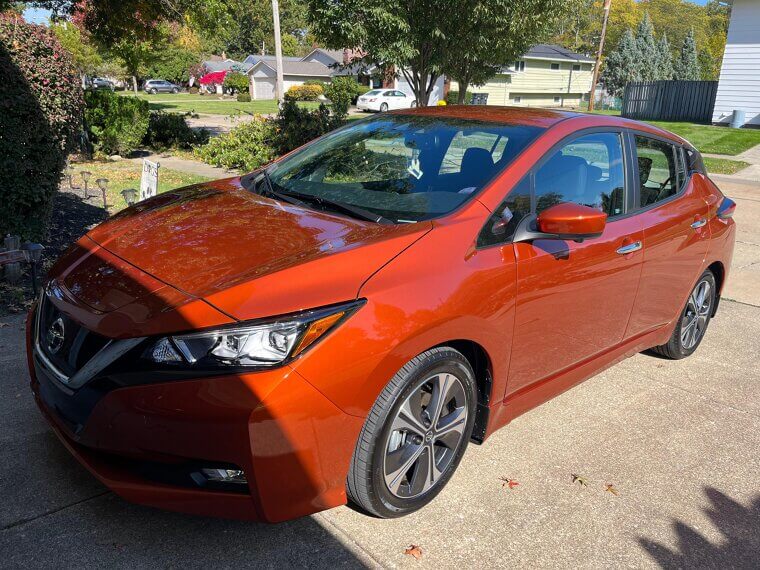
Furthermore, a steady influx of returned lease vehicles frequently floods the used car market, pushing residual prices down even further. While it remains a practical entry point into electric driving, that massive drop in equity is tough on original buyers.
Porsche Taycan
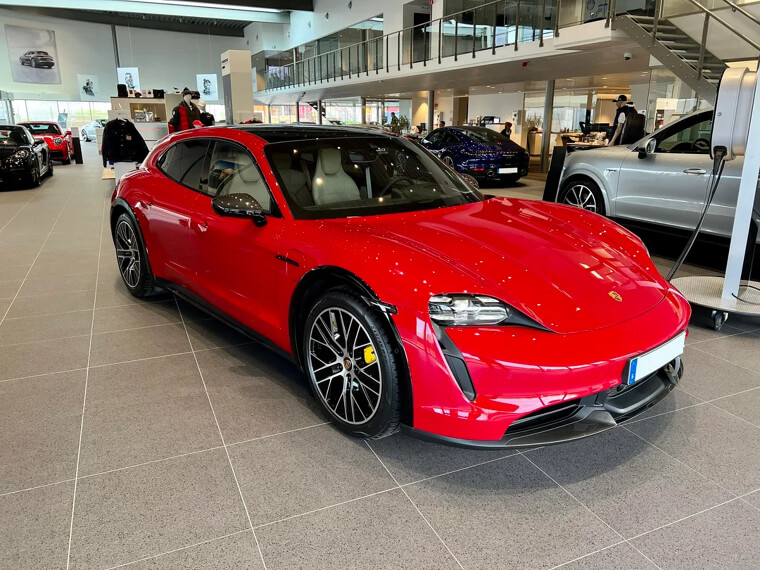
Porsche’s very own electric car, the Taycan, features the brand’s signature good looks with sleek curves and elegant features all around. It’s got the added benefit of being a sports car as well, meaning it outperforms many of its competitors - at least when it comes to acceleration. Depreciation is a whole other story. On average, the sedan drops by roughly 55 percent in value over five years. Some high-end trims fare even worse, with used buyers finding top-tier versions listed for nearly a hundred thousand dollars below their initial sticker prices after just a few years.
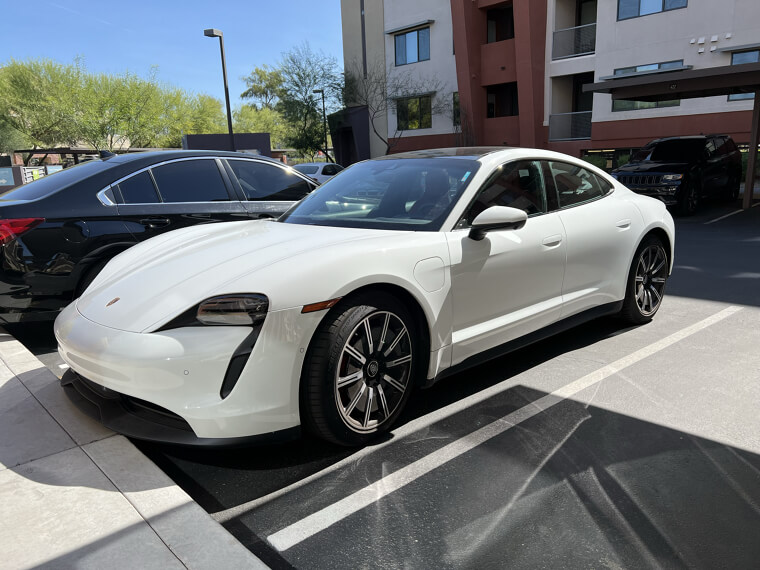
This steep decline is a common issue facing high-end electric vehicles, as rapid advancements in battery technology quickly make older tech feel outdated. While it offers unmatched performance on the track, that immediate loss of equity is tough to swallow.
BMW I3
The i3 is a pretty bold vehicle when you consider the company it was developed by. Featuring all sustainable materials and a carbon-fiber-reinforced plastic body structure that revolutionized the game, the i3 certainly deserves its place among the electric car greats - but that doesn’t stop it from depreciating the moment you drive it off the lot. In fact, owners often see this quirky hatchback lose roughly 64 percent of its original value after five years.
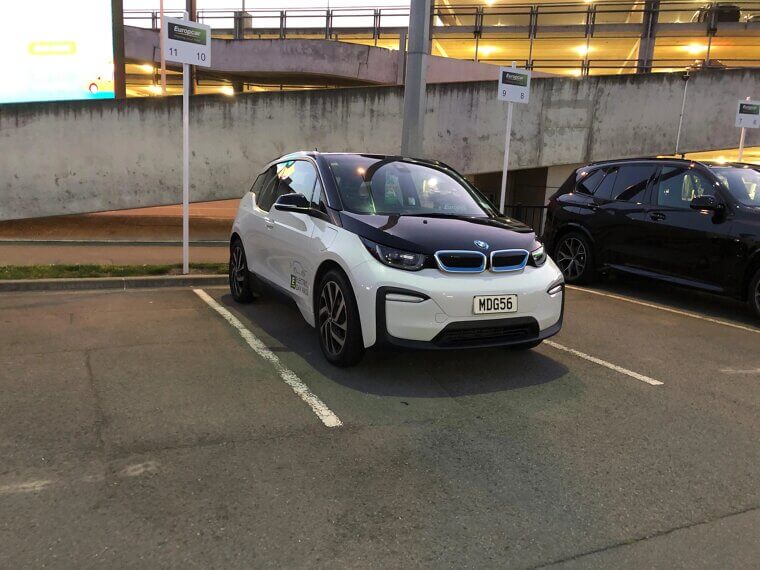
A major reason for this steep slide is how quickly battery technology outpaced early models, leaving them with very limited driving ranges. Additionally, the specialized carbon-fiber frame means structural repairs can be incredibly expensive, which frequently scares away budget-conscious shoppers looking at the used market. It remains a fantastic commuter choice, despite taking a massive hit in equity.
MG5 EV
One of the only electric station wagons on the market, the MG5 EV provides immense value - in the short term, that is. With enhanced range capabilities and generous cargo space, the MG5 EV is one of the best city cars out there, but it retains just 33% of its value after three years. This sharp financial decline means original owners face a notable loss quite early on. A major factor behind this drop is the vehicle's popularity with commercial fleets and rideshare drivers, which regularly floods the used market with high-mileage models.
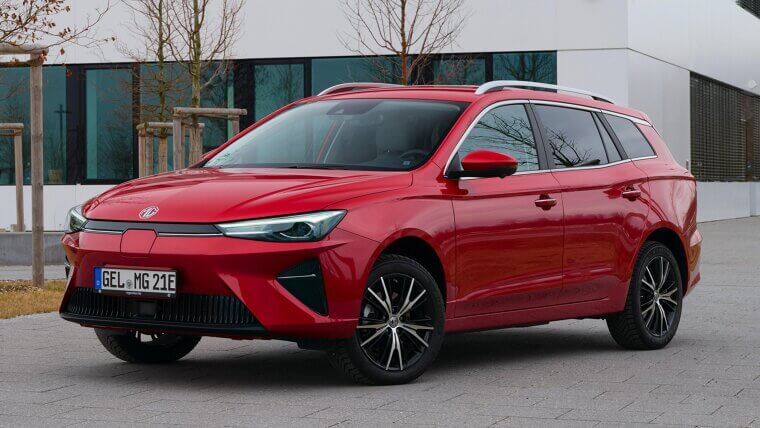
This surge in supply naturally depresses secondary prices. Furthermore, pre-owned buyers in this segment often worry about long-term battery health and repairs. While it remains a highly practical choice, its rapid loss in equity is a tough reality for buyers.
Tesla Model X
Though its design may be dated according to some people, the Model X gets points for offering top-notch acceleration and tons of utility thanks to its ample cargo space and advanced infotainment systems. Unfortunately, it also suffers from a bad case of depreciation as soon as it’s off the lot. On average, this luxury electric SUV sheds roughly 56 percent of its value over a five-year period. A primary driver of this rapid decline is Tesla's strategy of frequently adjusting its new vehicle MSRPs, which instantly deflates the value of existing models on the secondary market.
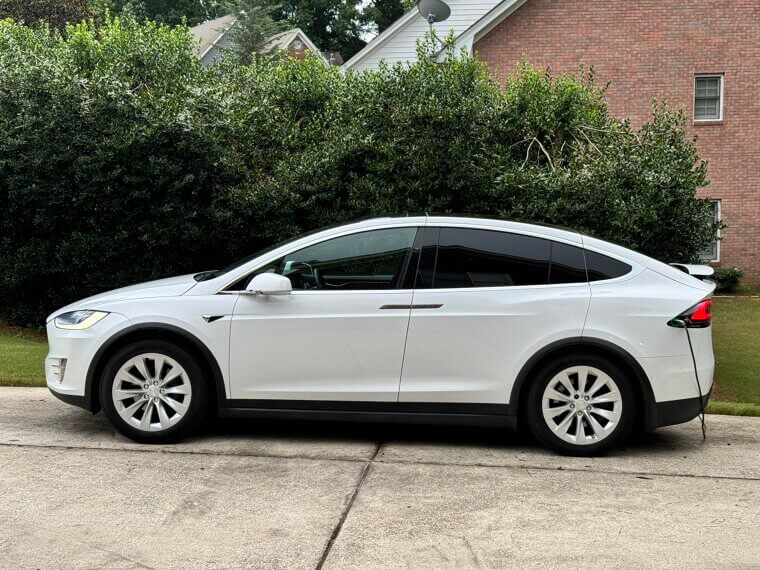
Furthermore, used buyers are often hesitant to take on luxury electric vehicles due to potential out-of-warranty repair costs, especially with complex features like the falcon-wing doors. This keeps demand lower and forces resale prices down significantly.
Renault Zoe
Who is Zoe? No one knows, but if they were the inspiration for this vehicle, then they were clearly stylish and cute. The Renault Zoe is a small and affordable electric hatchback that was actually a bestseller at one point. Unfortunately, it loses up to 71.6% of its value over just three years. This aggressive drop in equity makes it a tough pill to swallow for original owners. A significant reason for this sharp decline stems from a disastrous zero-star safety rating received during later crash testing, which severely tanked its appeal on the secondhand market overnight.
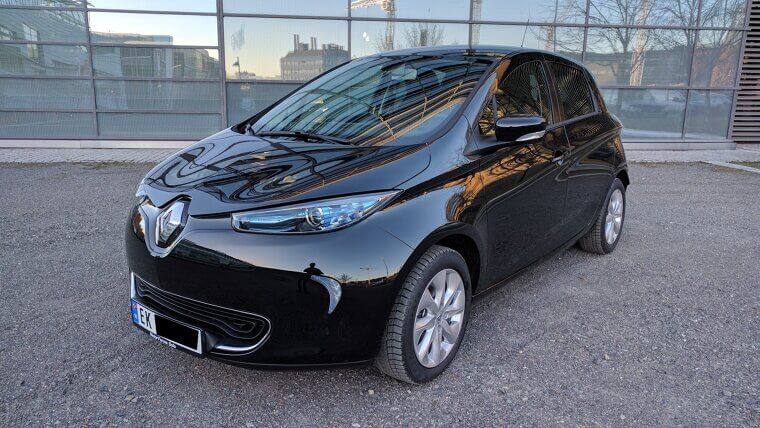
Additionally, rapid developments in competitive EV technology mean its driving range and charging speeds feel outdated quite fast. With Renault phasing the model out entirely to introduce newer electric options, used buyers are naturally hesitant, driving resale prices down even further.
Peugeot 3008
The Peugeot 3008 is easily one of the most stylish SUVs on the market, as well as one of the most luxurious, thanks to its refined interior and advanced i-Cockpit technology (which comes with its very own heads-up display). Unfortunately, electric models suffer the most when it comes to depreciation, losing up to 70.5% of their value over just three years. This swift decline in equity is particularly painful for anyone who bought it brand new.
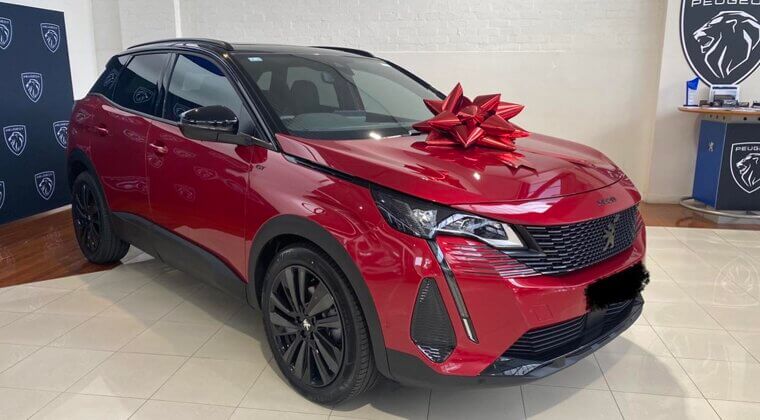
A big reason for this steep drop is the fast-paced evolution of the compact crossover market, where newer models with longer driving ranges constantly debut. Furthermore, frequent manufacturer discounts on brand-new electric vehicles tend to artificially suppress the resale value of pre-owned versions. While it remains a fantastic choice for families, buyers should brace for this major financial hit.
Tesla Model Y
Embodying Tesla’s minimalistic design sensibilities perfectly, the Model Y is one of their most recognizable vehicles, a luxurious electric vehicle offering great performance and advanced technology. Unfortunately, it also loses up to 60.4% of its value over just five years. This steep drop often shocks buyers given the crossover's massive global popularity. A primary driver behind this sharp decline is the sheer volume of Model Ys on the road, creating a heavily saturated secondhand market where supply easily outpaces demand.
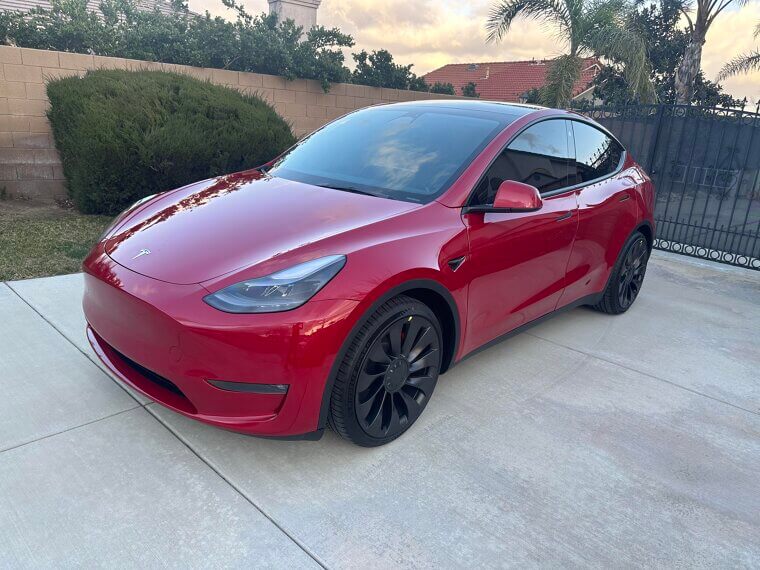
Additionally, aggressive price cuts on brand-new models directly undermine the residual value of older iterations. Used buyers also remain cautious about long-term battery degradation and out-of-warranty electronics repairs, which further suppresses trade-in offers. While it remains a highly capable and incredibly fun daily driver, original owners should brace themselves for this substantial equity hit.
MG ZS
Unlike some of our previous picks, the MG ZS emphasizes practicality over performance, with tons of room and cargo space on the inside and enough power to get you where you’re going at above-average speed. However, this emphasis on practicality over luxury hasn’t stopped it from depreciating quickly. In fact, owners often find that this compact SUV loses over half of its original value within the first three to five years.
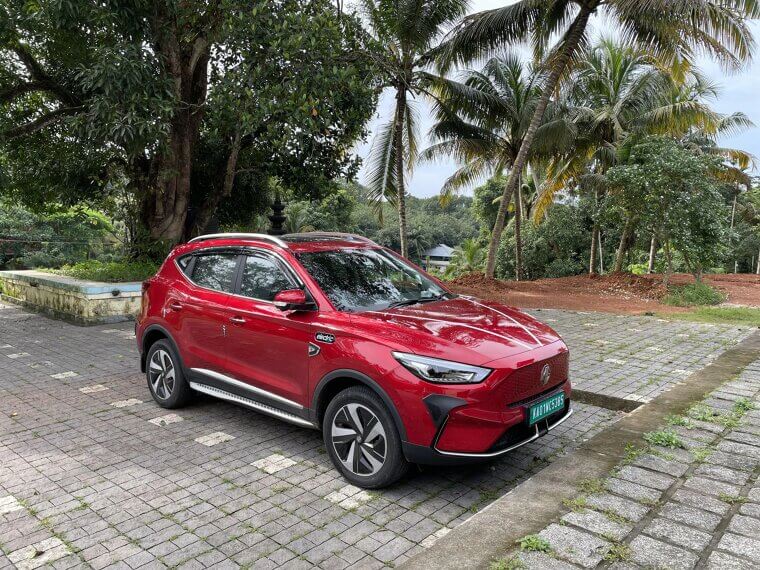
A major reason for this rapid decline is the heavy competition in the budget crossover segment, which quickly drives down secondary market demand. Furthermore, because the manufacturer frequently introduces appealing updates and discounts on brand-new versions, used buyers are often enticed to buy new instead. While it remains a highly dependable family vehicle, that initial loss of equity is a tough reality.
Mercedes-Benz EQS
The EQS is Mercedes-Benz’s own electric flagship, a refined and sustainable piece of automotive craftsmanship available as both a sedan and an SUV. Regardless of which one you buy, however, the EQS loses up to 47% of its value during the first year of ownership alone. This jaw-dropping decline makes it one of the fastest-depreciating vehicles on the market. A major reason for this swift downturn is that traditional luxury car buyers typically prefer leasing brand-new models, which severely limits secondhand demand.
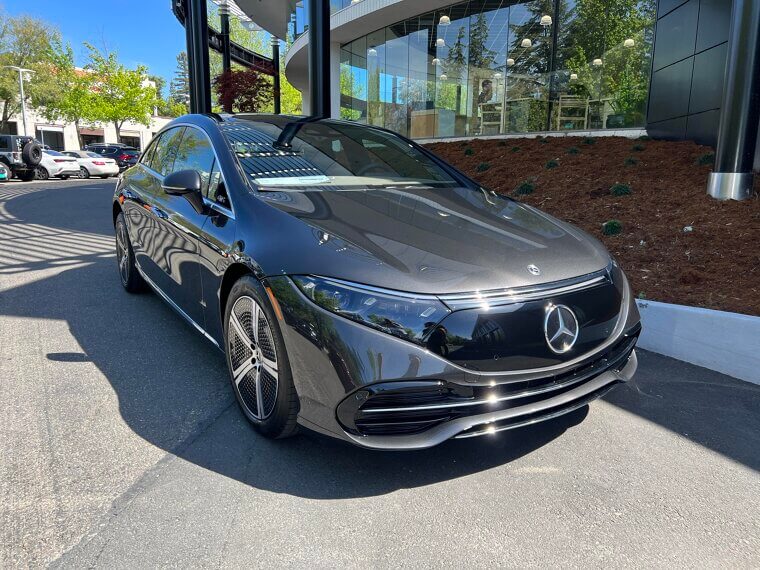
Furthermore, the rapid evolution of electric vehicle tech means that older software and battery configurations can feel outdated to shoppers very quickly. When you combine a six-figure initial sticker price with a limited pool of used buyers, resale prices plummet. It provides a remarkably quiet ride, but that immediate equity drop is a brutal reality.
Audi Q8 E‑tron
With the Audi name attached to it, you probably know already that the Q8 E-tron is one luxurious beast. Featuring Audi’s own virtual cockpit and tons of advanced technology, the Q8 E-tron makes for a quiet and comfortable ride - one that depreciates all too quickly. Owners often see this high-end electric SUV lose around 53 percent of its value over five years. This sharp decline is heavily driven by rapid advancements in EV technology, which quickly makes older battery ranges look dated.
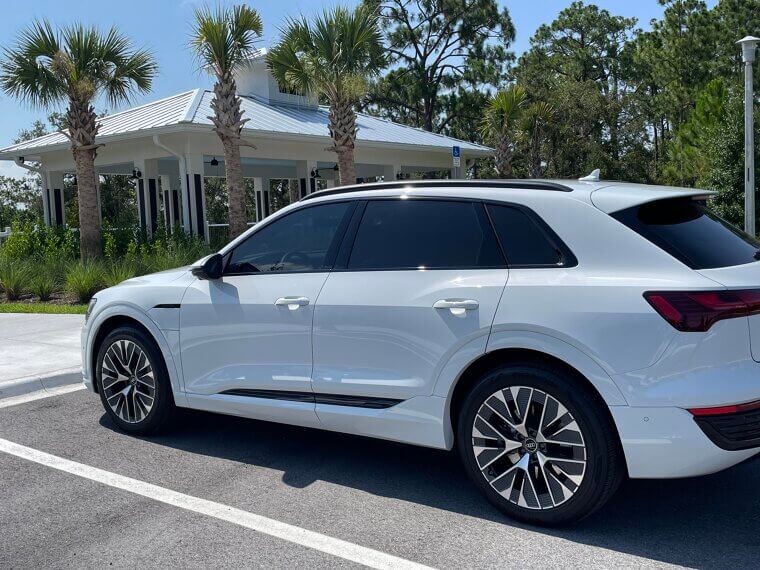
Additionally, luxury vehicles face steeper depreciation curves because the secondhand market for premium cars is small. Buyers also worry about high out-of-warranty repair costs for advanced electronics, which forces resale prices down. It provides a truly spectacular driving experience, but the immediate equity loss is a tough reality.
BMW 7‑Series
The 7-Series is BMW’s flagship vehicle, a luxury sedan that offers supreme style and comfort to create a refined, premium driving experience. Don’t expect to make your money back in the future, however - modern 7-series sedans lose 67% of their value in five years. This massive drop positions it as one of the steepest depreciators in the luxury market. A major reason for this rapid decline is that affluent buyers typically prefer leasing brand-new models rather than purchasing pre-owned ones, limiting secondhand demand.
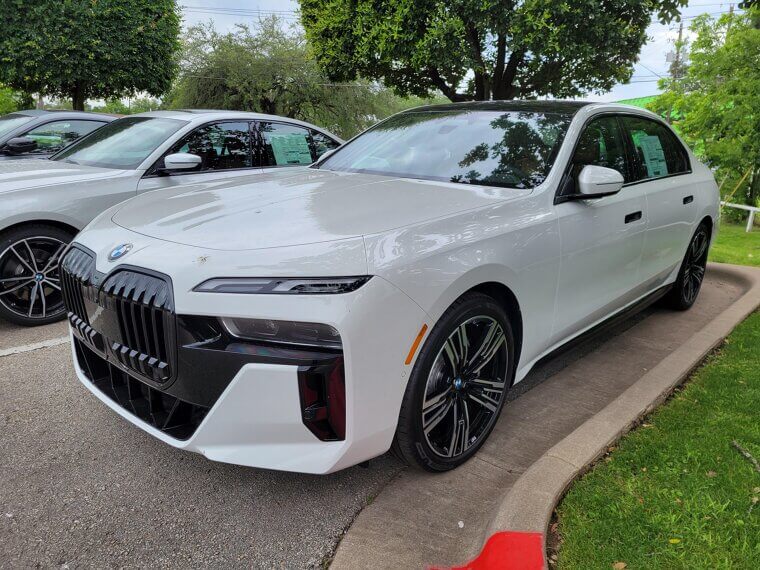
Furthermore, continuous updates to high-tech features quickly make older dashboard electronics feel outdated. Used car shoppers are also frequently scared off by notoriously expensive out-of-warranty maintenance and complex repair costs. While it provides an absolute masterclass in highway comfort, that initial loss of equity is a tough reality for original owners.
Infiniti QX80
Featuring a bold, boxy design and big proportions to match, the Infiniti QX80 turns heads wherever it goes. With a refined, hand-crafted interior and powerful twin-turbo engine, it’s an absolute showstealer, but it also loses most of its value as soon as the show is over. On average, this massive luxury SUV drops by roughly 52 percent of its initial worth over five years. A primary reason for this steep decline is the high cost of ownership, including fuel expenses and premium maintenance, which often deters secondhand buyers.
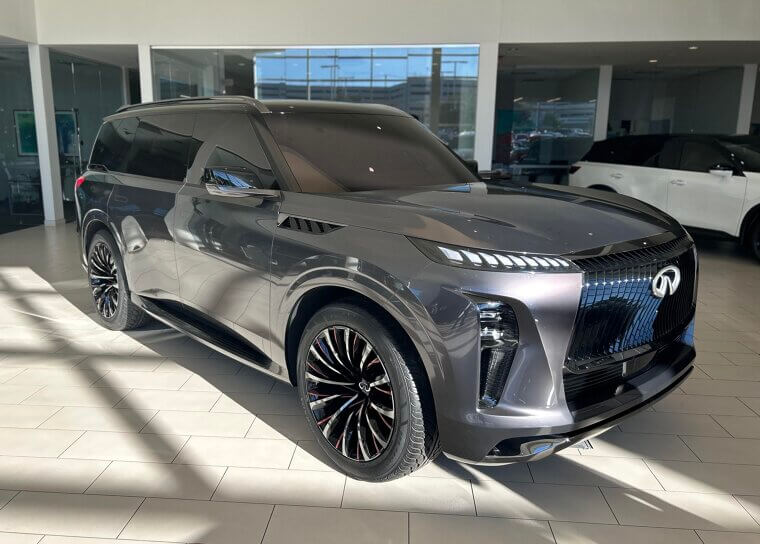
Furthermore, because the full-size luxury segment is incredibly competitive, pre-owned shoppers frequently gravitate toward rival brands with stronger residual track records. This reduced demand forces trade-in values down significantly. While it offers a commanding view of the road and immense towing capacity, that swift loss of equity is a tough reality.
Maserati Ghibli
Maserati is known for being one of the finest Italian stylists in the automotive industry, and the Ghibli might just be their modern masterpiece. It’s a bold and dramatic vehicle that performs just as well as some of the fastest sports cars available - unfortunately, it also depreciates just as quickly. On average, a new Ghibli sheds roughly 69 percent of its original value over a five-year period. This dramatic decline is primarily fueled by a smaller pool of secondhand buyers who are often intimidated by the notoriously high costs of parts and specialized labor.
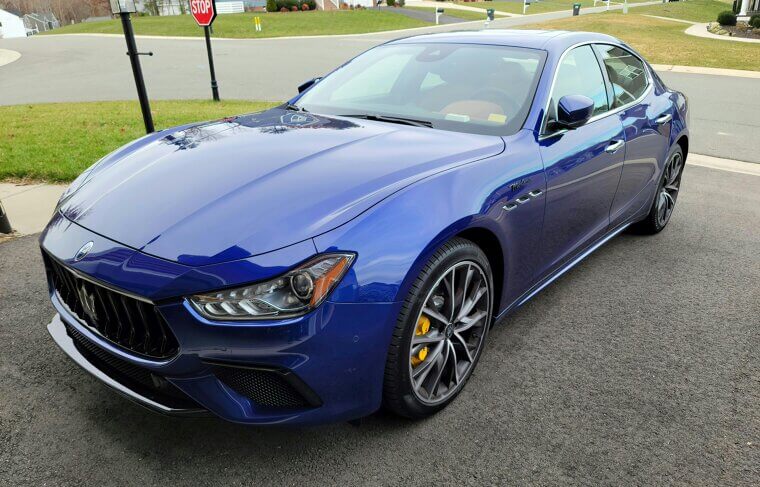
Additionally, concerns over long-term reliability tend to suppress its residual value quite heavily. While the sedan offers an intoxicating exhaust note and unmistakable presence on the road, that initial financial hit is a staggering reality for anyone buying it fresh off the showroom floor.
BMW 5‑Series Hybrid
The 5-Series Hybrid is available as both a sedan and a grand tourer, but whichever model you choose, you can guarantee that you’ll get to experience some of that classic BMW leisure and performance. Just don’t expect it to retain much of its value once it rolls off the lot. On average, these plug-in hybrid models lose roughly 59 percent of their original retail value over five years. A primary reason for this rapid financial drop is how quickly battery technology evolves, leaving older setups looking dated to shoppers on the secondhand market.
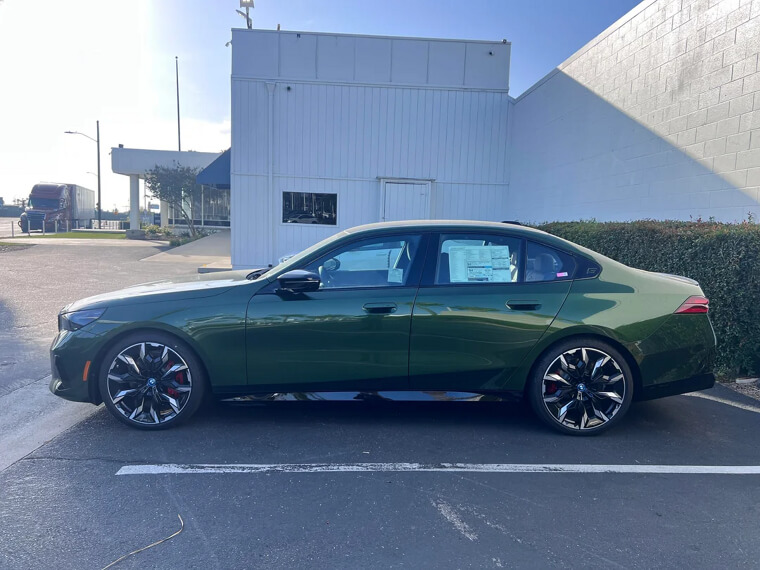
Furthermore, luxury vehicles naturally experience steep value cuts because high out-of-warranty maintenance bills scare off potential pre-owned buyers. While the fuel efficiency and smooth electric power make it a superb choice, original owners should prepare themselves for a heavy hit in equity.
Maserati Levante
The Ghibli is a fantastic work of art, sure, but the Levante is perhaps even more special due to it being Maserati’s first-ever SUV. Their consummate sense of style translates well to the larger scale, but that doesn’t stop the Levante from losing 63.7% of its value over just three years. This sharp decline makes it tough on original owners. A primary reason for this rapid slide is the eye-watering cost of routine maintenance, which scares off used buyers.
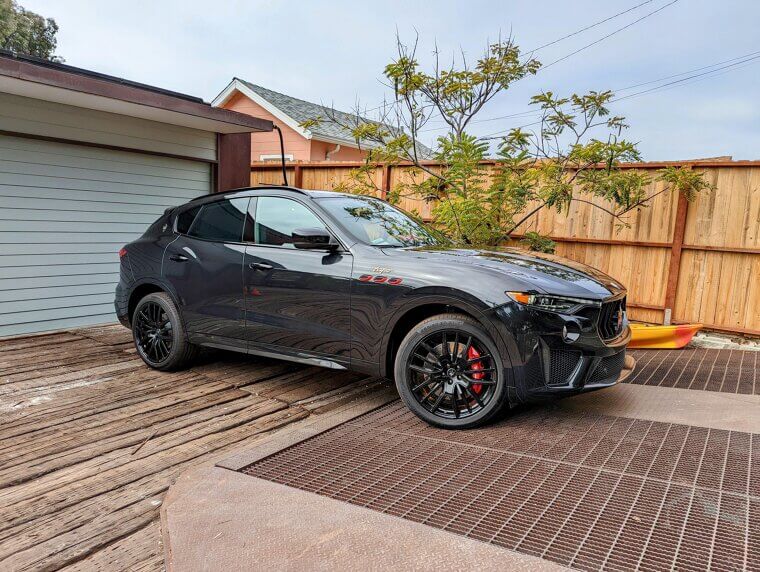
Furthermore, because cabin technology advances so quickly in the luxury crossover segment, older models feel dated after just a few seasons. Since the second-hand market for exotic SUVs is quite small, dealerships significantly lower their trade-in offers. It delivers a sporty drive, but that immediate equity loss is a harsh financial reality.
Cadillac Escalade ESV
The Escalade is Cadillac’s flagship station wagon, and the ESV trim offers even more in terms of cargo space and interior comfort thanks to a much larger cabin. Its large size also means a large depreciation rate, unfortunately. While it's funny to imagine this behemoth as a wagon, this iconic full-size luxury SUV is a total monster on the road. On average, a new Escalade ESV sheds roughly 63 percent of its value over five years.
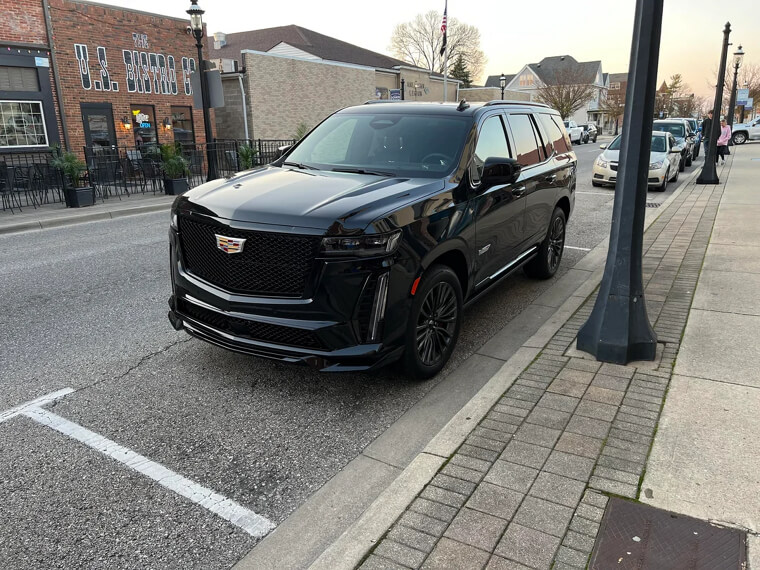
This massive drop is quite common for premium vehicles, where high initial sticker prices combine with steep operating costs like premium fuel. Additionally, because the secondary market for giant luxury haulers is small, dealerships often slash trade-in values to avoid sitting on inventory. It remains a legendary status symbol, but that swift equity loss is a brutal reality.
Land Rover Range Rover
The “world’s first ever luxury 4x4” still retains the same aura and legendary status that it established way back in 1970. It’s a comfortable SUV that blends supreme performance with off-road capabilities, but it also suffers from some serious depreciation issues. On average, a brand-new model sheds roughly 56 percent of its value over five years. A major driver of this steep decline is the vehicle's reputation for complex engineering, which translates to high maintenance costs once the factory warranty expires.
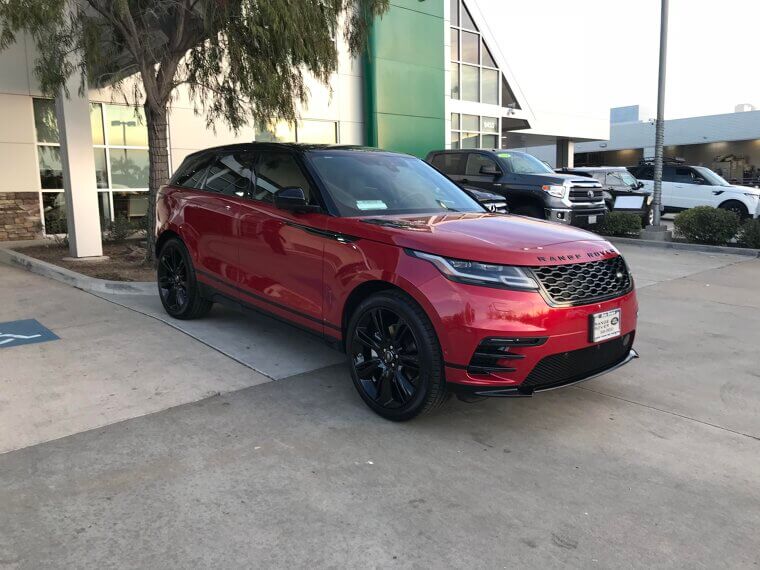
Because secondary buyers are wary of these potential expenses, demand for pre-owned versions drops significantly. Furthermore, a steady supply of returned lease vehicles frequently hits the market, pushing residual values down. While it remains a premier status symbol with unmatched luxury, that immediate loss of equity is a tough reality for buyers.
Audi A8L
The long-wheelbase version of Audi’s iconic flagship sedan, the A8L, offers even more interior space than the base model, making for a more comfortable driving experience overall. Less comforting, however, is the fact that it loses up to 62.7% of its value over just three years. This staggering decline is a common headache for elite executive cars. Buyers in this ultra-premium bracket usually prefer leasing brand-new models with full factory warranties, which leaves a very thin pool of secondhand consumers. When those three-year leases expire, a wave of pre-owned inventory floods dealerships, driving prices way down.
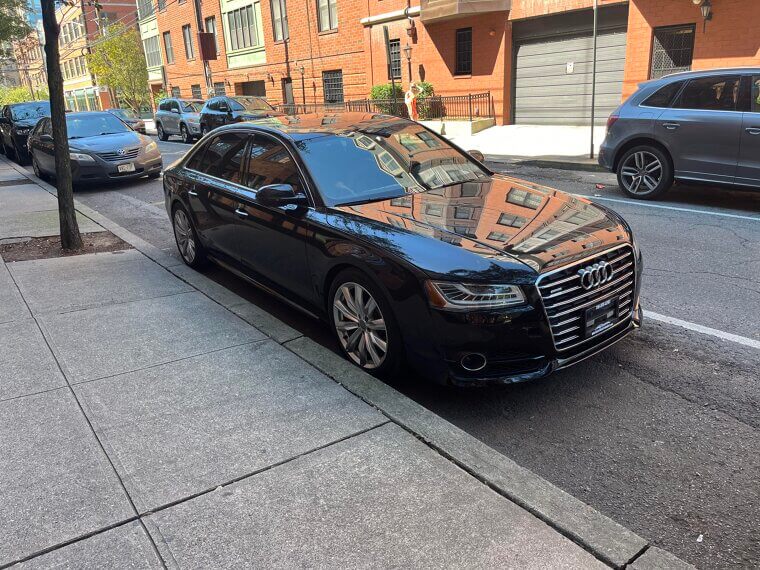
Additionally, the complex digital systems and advanced air suspension scare off budget-conscious used car shoppers who worry about potentially catastrophic repair bills down the line. It remains an absolute masterpiece of executive transport, but that first-owner financial hit is incredibly steep.
BMW 5‑Series Sedan
The standard 5-Series Sedan offers more or less the same as its hybrid counterpart, including a luxurious interior and advanced technology, which combine to make for a premium driving experience. However, it also loses up to 61.7% once it rolls off the lot and into your garage. This steep five-year depreciation rate heavily impacts anyone purchasing it brand new. A major reason for this massive value drop is the rapid influx of off-lease vehicles entering the secondary market, which quickly drives down prices for pre-owned versions.
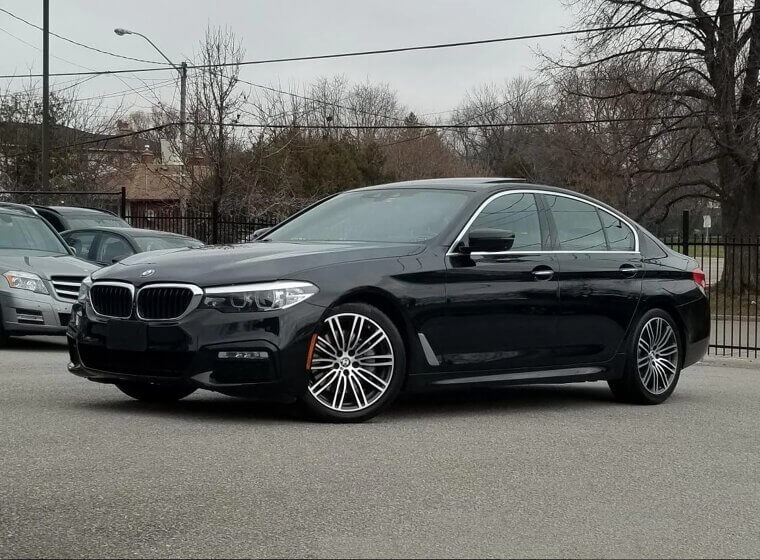
Additionally, high long-term maintenance costs and expensive replacement parts out of warranty tend to make secondhand buyers very cautious, reducing overall demand. While it remains a highly respectable status symbol with incredible comfort and superb handling, the immediate loss of equity is a tough financial pill to swallow for original owners.
Audi Q7
Specifically designed for families, the Q7 offers the premium Audi experience that drivers have come to love but on a much larger scale - now, even Little Timmy and his five siblings can enjoy a premium ride! Unfortunately, it also loses 61.5% of its value after purchase. This sharp five-year decline is quite typical for large luxury haulers. A major culprit behind this rapid value slide is the notoriously high cost of long-term upkeep.
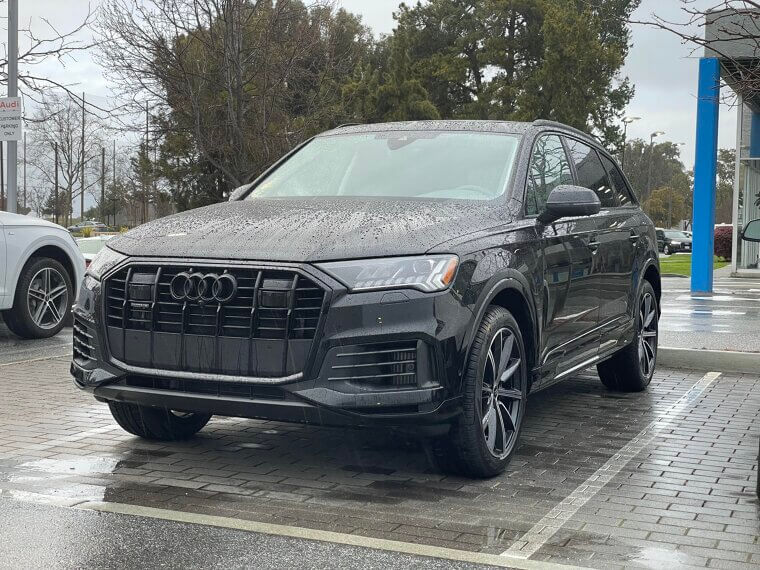
Once the factory warranty expires, premium parts and specialized German engineering mean routine services get incredibly expensive, which scares away many secondhand buyers. Additionally, a steady stream of off-lease models frequently floods the pre-owned market, driving residual prices down even further. While it remains a truly fantastic option for family road trips, original owners must brace themselves for a brutal loss in equity.
Infiniti QX60
Directly competing with the likes of the Lexus TX and Genesis GV80, the Infiniti QX60 offers drivers more of the same (advanced technology and tons of space) but at a much lower price point. It’s just as well, too, since it loses 61.5% of its value once it’s been signed over to you. This steep drop over five years makes it a tough pill to swallow for original owners. A major driver of this decline is the fast-moving nature of the midsize luxury crossover segment, where newer models constantly debut with fresher styling and updated infotainment features.
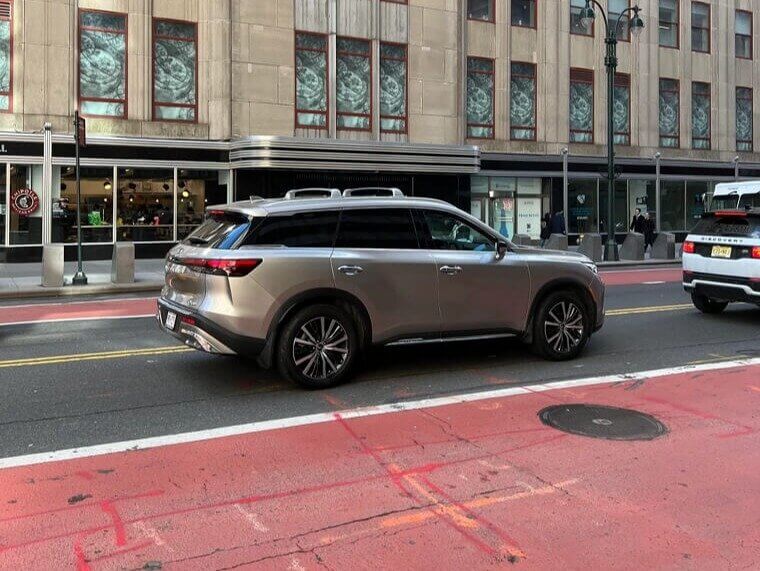
Additionally, the pre-owned luxury market is highly competitive, and secondary buyers often worry about long-term maintenance costs once the factory warranty runs out. While it remains an incredibly comfortable and stylish family hauler, that immediate dip in equity is a harsh reality.
Cadillac Escalade
While the standard Escalade may not offer as much space as the ESV, it still comes with everything else drivers would want, including an opulent interior, a supercharged V8, and advanced infotainment features. And yet, it still loses exactly 61% of its value after purchase. This steep five-year decline turns this iconic status symbol into a serious financial hit for its first owner. A primary cause for this sharp drop is the vehicle's high cost of ownership, as the large engine demands constant premium fuel alongside hefty insurance premiums.
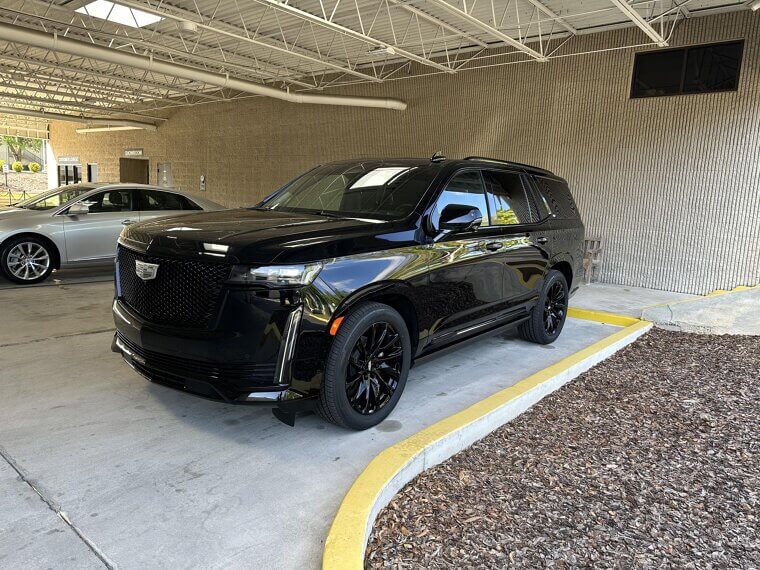
Furthermore, the luxury SUV market is incredibly competitive, with newer models introducing tech updates that quickly make older versions feel dated. Because many of these massive haulers enter the market as expired leases, the steady supply outpaces secondary demand, forcing dealerships to heavily slash trade-in values.
Audi A6
The A6 may not have the same clout as its big brother, but it’s still an Audi, which means a premium interior, supreme style, and excellent performance, making for a phenomenal driving experience. But if you’re hoping to resell it later, you may want to reconsider, since the A6 loses 60.9% of its value after purchase. This steep five-year decline places it among the fastest-depreciating midsize luxury sedans on the market.
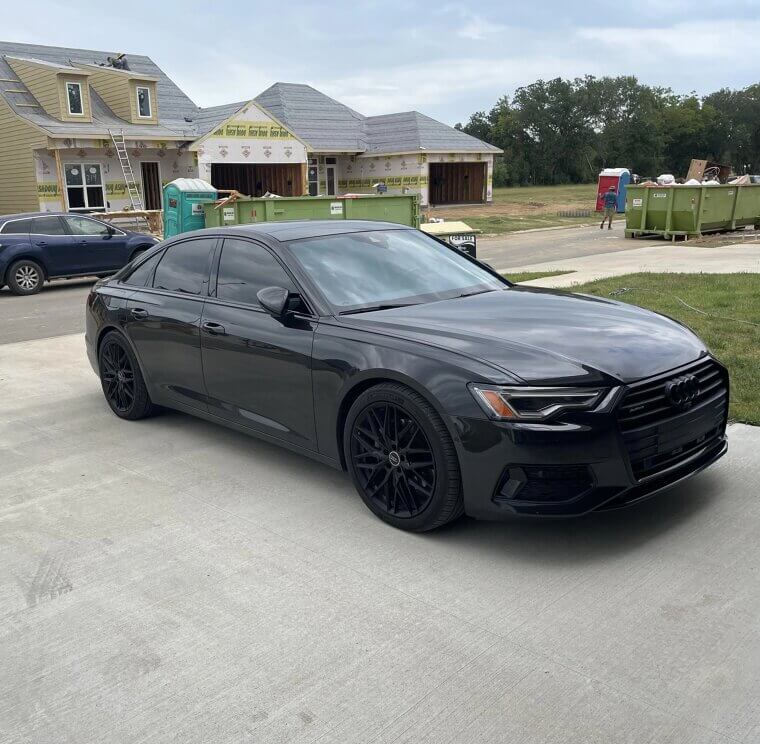
A major reason for this rapid slide is the shifting consumer preference toward crossovers and SUVs, which leaves traditional four-door luxury cars with a much smaller pool of buyers. Additionally, pre-owned shoppers are often wary of expensive out-of-warranty maintenance bills and complex electrical repairs typical of premium German engineering. When you combine low secondary demand with high maintenance costs, resale values naturally take a massive hit.
Land Rover Discovery
First introduced in 1989, the Discovery sits smack-bang in the middle of Land Rover’s lineup, right between the luxurious Range Rover and the more rugged Defender, offering a bit of both vehicles’ best qualities. Unfortunately, it also shares the Range Rover’s propensity for fast depreciation. On average, a new Discovery sheds roughly 50 to 55 percent of its initial value after five years on the road. A major factor behind this steep decline is the brand’s historical reputation for complex electrical issues and high out-of-warranty repair costs, which makes secondhand buyers cautious.
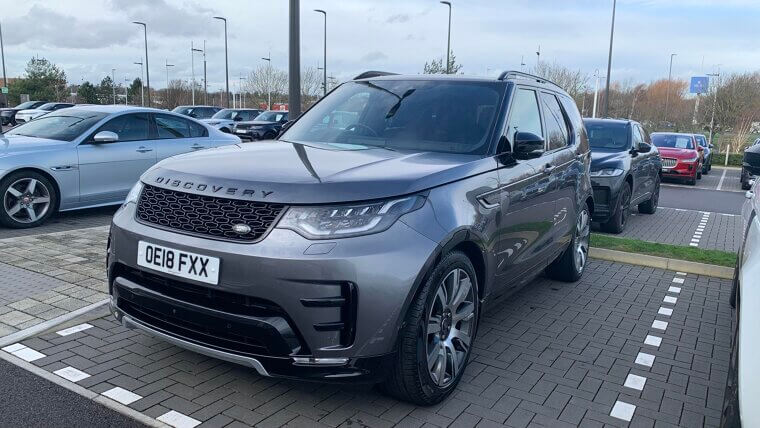
Additionally, luxury SUVs in this segment face intense competition, and an influx of off-lease models keeps pre-owned supply high while driving residual prices down. It remains a highly capable choice for weekend adventures, but original owners definitely face a heavy loss in equity.
Mercedes‑Benz S‑Class
The S-Class represents the absolute pinnacle of German engineering. It’s Mercedes-Benz’s flagship vehicle, after all. Its luxurious status, however, comes at the cost of fast depreciation. On average, this legendary full-size sedan sheds around 62 percent of its original retail value over its first five years on the road. A major driver behind this steep slide is that the primary market for an S-Class consists of wealthy buyers or corporate executives who prefer leasing the absolute latest model.
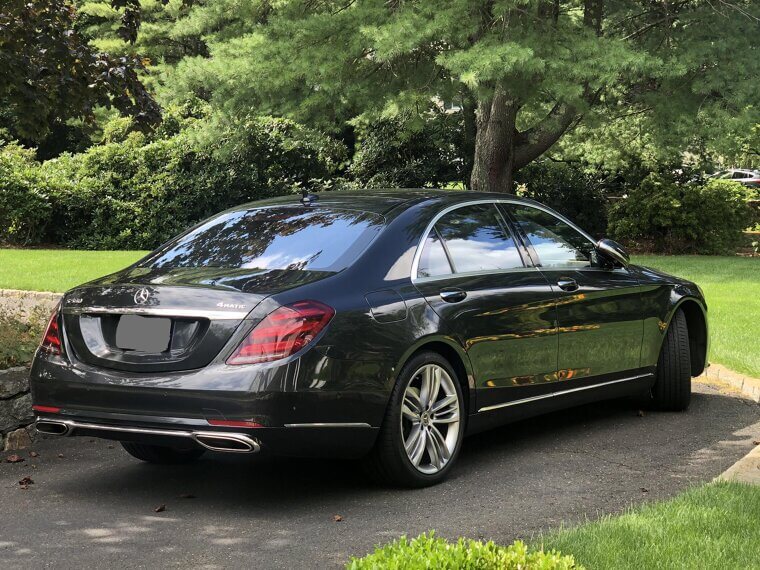
When these leases expire, a massive wave of pre-owned inventory floods the secondary market, far outpacing the demand from average used-car shoppers. Furthermore, second-hand buyers are often deeply intimidated by the potential out-of-warranty costs for its sophisticated electronics and advanced air suspension systems. While it provides an unmatched ride, that immediate equity hit is a tough reality.
Audi A7
Combining the practicality and space of a sedan with the style of a sports coupe, the A7 is one of Audi’s most successful and revolutionary models. Like its siblings, though, it also depreciates heavily once it leaves the lot. On average, this sleek fastback loses roughly 53 percent of its value over five years. A primary culprit for this rapid decline is that typical buyers in this premium segment prefer leasing brand-new models rather than shopping pre-owned. When those three-year leases finish, a wave of used inventory returns to dealerships, which naturally drives resale prices down.
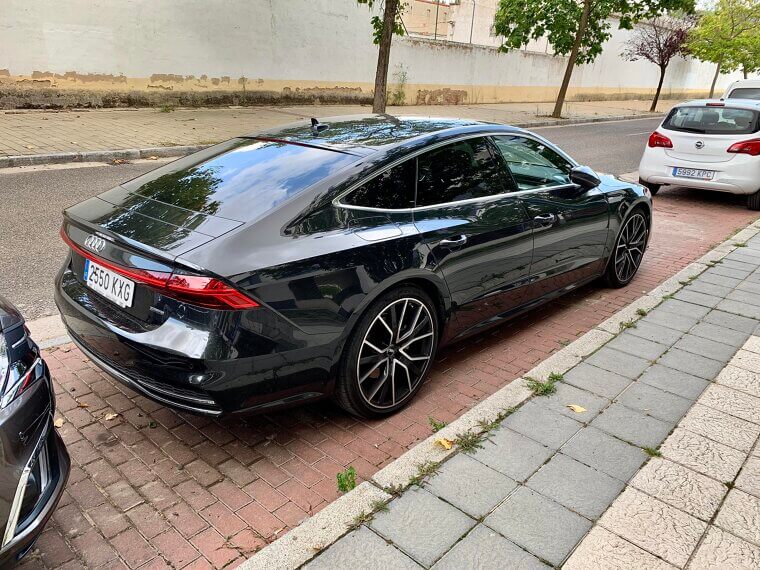
Furthermore, secondary buyers are often quite wary of expensive out-of-warranty maintenance and complex electronics repairs. While it delivers a smooth ride and undeniable curb appeal, that immediate loss of equity is just a normal part of the luxury car ownership experience.
Nissan Armada
What began as a hulking, intimidating SUV has now morphed into something a little more premium and luxurious. The Armada is a great showcase of Nissan’s design sense, but it also loses 60% of its value after purchase. This steep five-year decline can be a shock to anyone purchasing a brand-new model. A big part of the reason for this rapid value slide is the vehicle's thirsty V8 engine, which drives up ownership costs through hefty fuel bills.
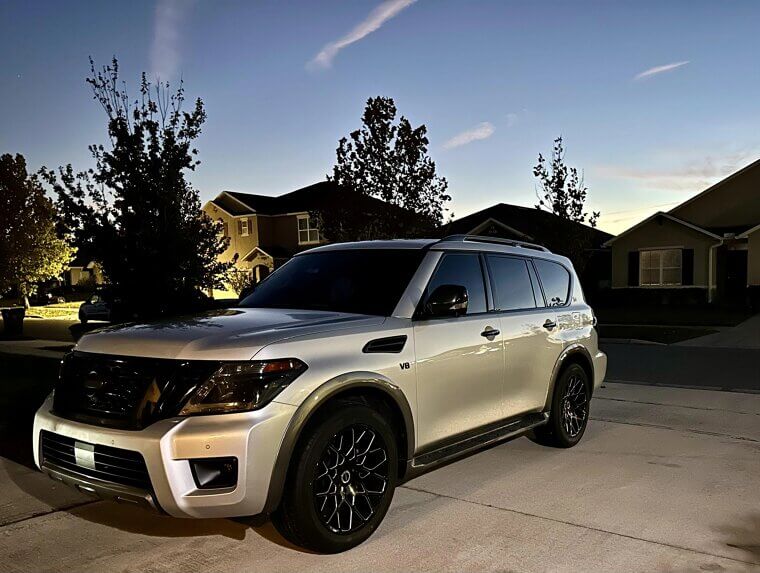
Additionally, the full-size SUV segment is fiercely competitive, with many secondhand buyers shifting toward options with stronger historical residual track records. Because these massive vehicles face steep maintenance expenses out of warranty, pre-owned demand remains relatively low. It still delivers a quiet, comfortable ride, but that immediate drop in equity is a tough reality.
Ford Expedition MAX
As its name would suggest, the Expedition MAX is the extended wheelbase version of the standard Expedition, offering even more space and comfort than the base model. Unfortunately, it doesn’t offer great resale value. On average, this massive SUV loses about 54 percent of its original retail price over five years. A major driver behind this steep slide is the vehicle's sheer size, which brings high operating costs like hefty fuel bills.
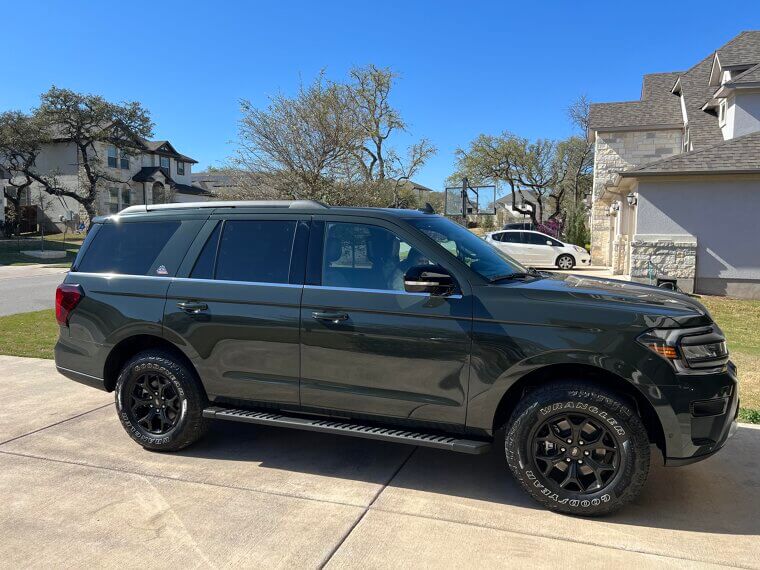
Additionally, the market for giant family haulers is incredibly competitive, and pre-owned shoppers often look for brands with stronger residual reputations. Since many of these extended SUVs enter the secondhand market from rental fleets or expired leases, a steady supply keeps prices lower for used buyers. It is an absolute champion for family road trips, but original owners definitely take a notable hit in equity.
Tata Indica
Perhaps the most out-of-place entry on our list, the Tata Indica is special for being the first passenger car developed by an Indian company. It’s something of an understated milestone in the automotive world, but resale values haven’t exactly skyrocketed. Over its lifespan, this hatchback suffered from heavy depreciation, frequently shedding over 60 percent of its initial value within a handful of years. A primary culprit for this rapid decline was its early reputation for spotty build quality and mechanical quirks, which quickly made secondhand buyers hesitant.
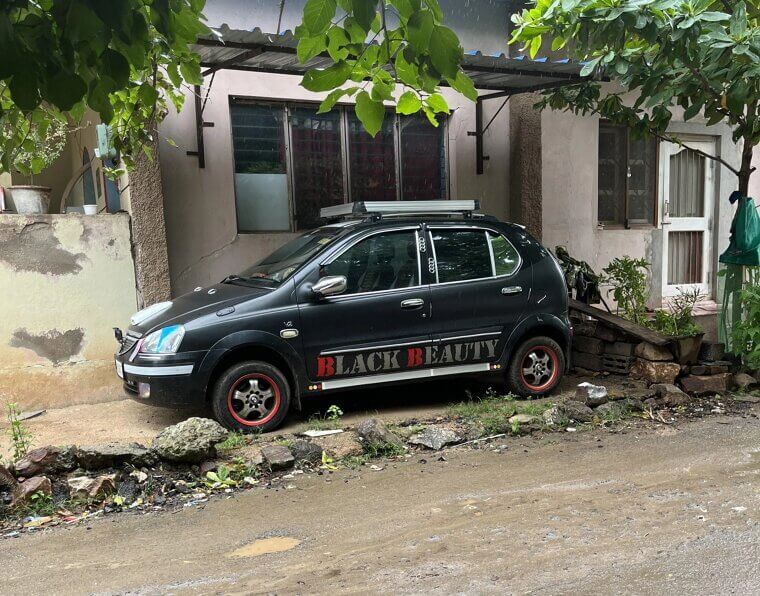
Furthermore, as international automakers flooded the local market with newer, more refined compact options, older Indica models faced brutal competition. With a massive supply of high-mileage examples pushing prices down, the car struggled heavily on the pre-owned market. It remains a historical pioneer, but the financial return is practically zero.
Jeep Grand Cherokee
True to its name, the Grand Cherokee is a truly grand vehicle, a large and luxurious SUV with superior off-road capabilities and plenty of space. However, equally as grand is its propensity for depreciation, with second-hand models selling for less than half the price of newer ones. On average, this popular family hauler sheds roughly 53 percent of its value over five years. A major reason for this sharp drop is the sheer volume of these SUVs available, as high lease returns create a supply that outpaces secondary demand.
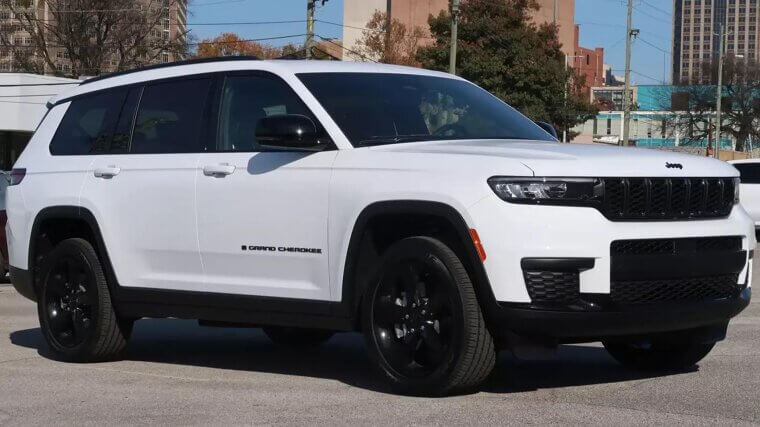
Furthermore, because it straddles the line between mainstream utility and premium luxury, used buyers often gravitate toward rival brands with stronger residual reputations. High out-of-warranty maintenance costs also make secondhand shoppers hesitant. It remains a highly capable ride, but original buyers face a tough reality regarding long-term equity.
Chevrolet Cruze
The Cruze may not be around anymore, but if you were hoping that its absence from GM’s lineup would cause its value to go up, you’d be sorely disappointed. Second-hand Cruze’s sell for less than 50% of their original value. This steep drop over five years makes it a tough pill to swallow for original owners. A primary reason for this rapid slide is that the compact car segment has been heavily overshadowed by the massive surge in consumer demand for SUVs.
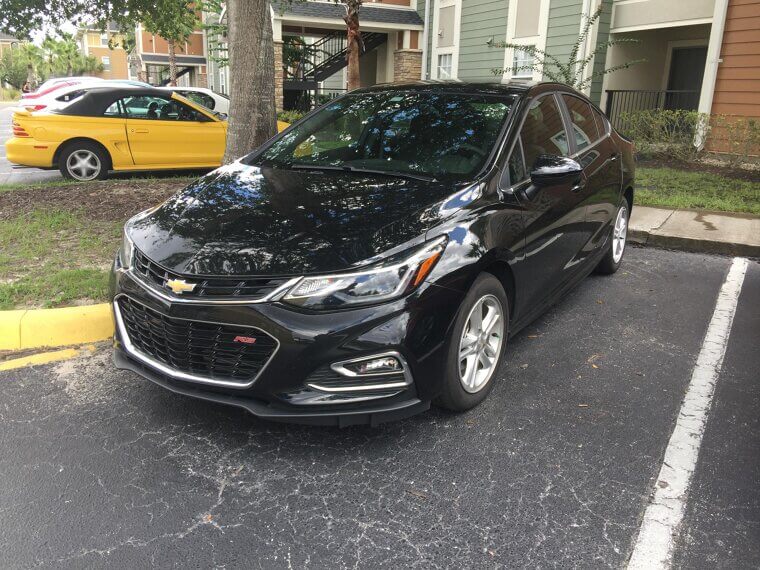
Additionally, budget-conscious buyers shopping on the pre-owned market often pass over the Cruze due to historical concerns regarding long-term reliability and engine repairs. With a high supply of these discontinued models floating around on dealership lots, trade-in values have steadily plummeted. It remains an affordable commuter, but that heavy loss in equity is a harsh financial reality.
Jaguar XE
We started our list with a Jag, so it’s only fitting that we end with one as well. The XE, true to form, is a fabulous vehicle in terms of style and performance, but it’s a serious depreciation offender, too. On average, this compact luxury sedan drops about 54 percent of its original price within five years. A major reason for this rapid slide is intense competition from popular German rivals, leaving the British sedan with a smaller pool of buyers on the secondary market.
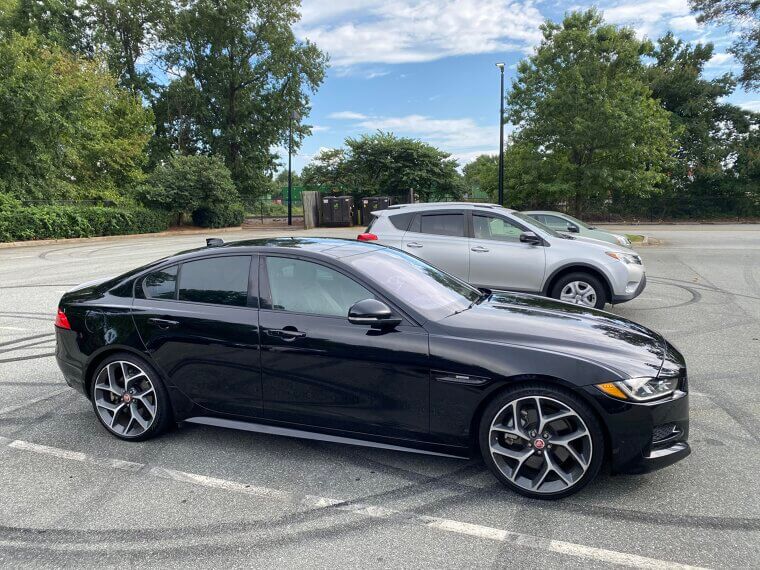
Additionally, pre-owned shoppers are often pushed away by worries over complex electronics and high out-of-warranty maintenance bills. Because a steady stream of off-lease models hits dealership lots, the supply outpaces demand, causing trade-in values to plummet. It offers sharp handling and a sleek look, but first owners must accept that quick loss in equity.