
In 2026, we aren't just growing flowers; we are growing a living family tree. We’ve put together a special list of heirloom blooms that tell the unique stories of the people and regions that make up our heritage. Grab a cup of tea and let’s explore these blossoms that bridge the past and present—your next favorite garden memory is waiting to be planted!
The Cherokee Trail of Tears Bean: A Bloom of Resilience
While many know this plant for its dark, shiny seeds, its delicate purple flowers represent the incredible strength of the Cherokee people. Historically, these seeds were reportedly carried by the Cherokee during their forced removal from their homelands to Oklahoma in the 1830s. Today, gardeners grow them as a tribute to endurance and ancestral memory. The vines are vigorous, reaching toward the sky just as families did while rebuilding their lives.
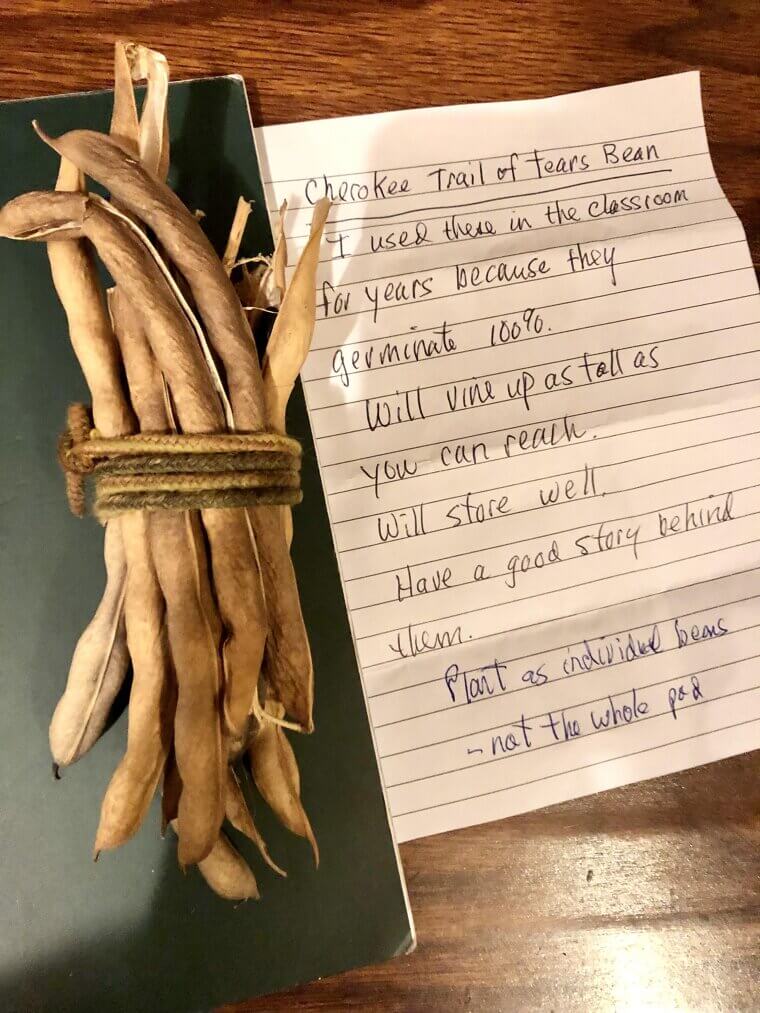
Planting these in your backyard serves as a silent, beautiful prayer for those who walked that long road, ensuring their legacy continues to blossom in the sun.
Immigrant German Statice: The Everlasting Memory of the Midwest
Brought over by German settlers in the 19th century, these airy, paper-like flowers were prized for their ability to dry perfectly, keeping color through the long, harsh winters of the Great Plains. Allegedly, families would tuck dried bunches into their Bibles or hang them in rafters to remind them of the "Old Country" when the snow piled high. They represent the hardworking spirit of the Midwest’s European immigrants.
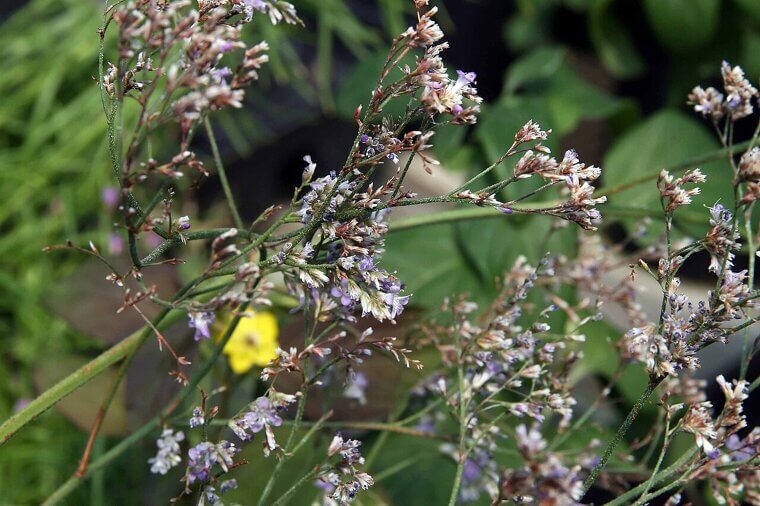
Adding these to your garden offers a nod to the resilience of those who turned the wild prairie into a home while keeping their floral traditions alive.
The African "Prince’s Feather" Amaranth: A Legacy of the Lowcountry
This striking, deep-red plume was a staple in "Black Gardens" throughout the South. Historically, amaranth seeds were often wove into the hair of enslaved West Africans to ensure they could grow familiar food and beauty in a new land. In the Lowcountry of South Carolina and Georgia, this plant represents the unbreakable link to West African agricultural heritage. The towering stalks and vibrant "feathers" are more than just a visual treat.
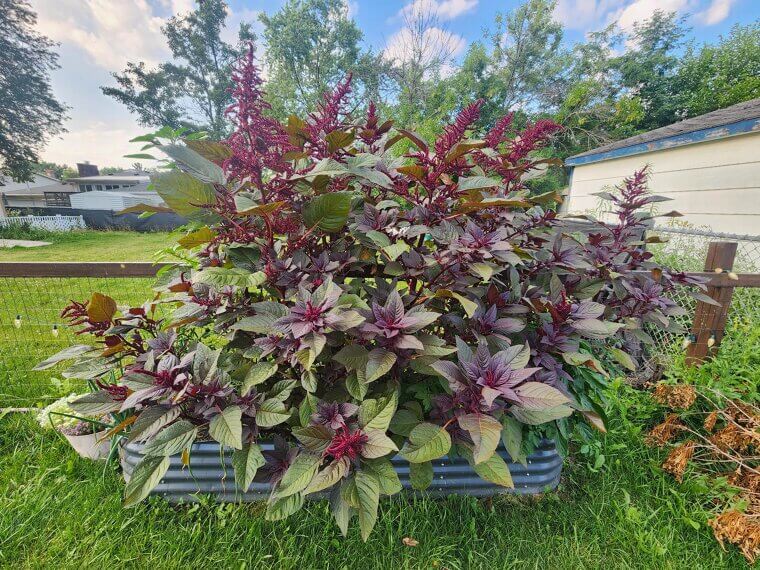
They are a symbol of a culture that refused to be extinguished, providing both nourishment and a splash of defiant, regal color to history.
The Spanish Mission Rose: A Fragrant Echo of Old California
These lush, pink blooms are reportedly descended from the roses brought by Spanish missionaries in the 18th century. They were planted in the courtyards of missions from San Diego to Sonoma, representing the blend of European horticulture and the arid beauty of the California coast. Today, they are a symbol of Hispanic heritage and the deep roots of the Southwest. Growing a Mission Rose is like inviting a piece of the 1700s into your yard.

Their heady fragrance and ruffled petals remind us of the early settlers who sought to create beauty in a rugged, sun-drenched landscape.
The Japanese "Kiku" Chrysanthemum: The Golden Flower of the West Coast
In the early 20th century, Japanese American flower farmers transformed the California landscape, particularly in the Bay Area, into a sea of gold and white. These chrysanthemums, or Kiku, represent the incredible agricultural contributions and the perseverance of Japanese immigrants who faced restrictive land laws. Despite these challenges, they created thriving nurseries that defined the American floral industry for decades. Planting an heirloom chrysanthemum honors this "forgotten" history of Asian American floriculture.
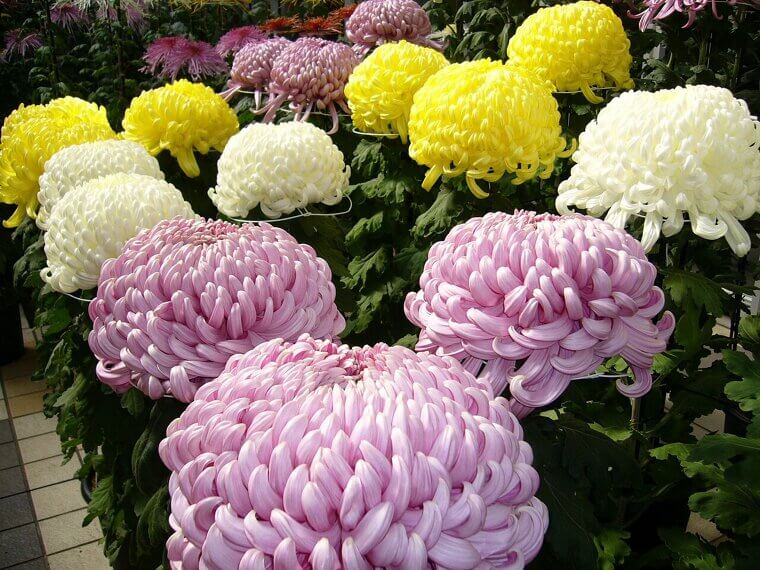
They bloom late in the season, a vibrant reminder that beauty often arrives through patience and steady, dedicated hands against all odds.
The Acadian "Petite Rose" Marigold: A French-Canadian Journey
These bright, sturdy flowers are a favorite in the maritime regions and Louisiana, tracing back to the Acadians who were displaced from Canada and settled in the Bayou. Reportedly, these seeds were among the few belongings kept by families as they moved across the continent. The marigold represents the vibrant, spicy spirit of Cajun culture and their ability to thrive in New Orleans' humid climate.

They are tough, pest-resistant, and cheerful—much like the people who cultivated them. In your garden, they act as a sunny tribute to the French-speaking pioneers of the South.
The New England "Mayflower" Arbutus: A Pilgrim’s First Hope
The Trailing Arbutus was allegedly the first flower the Pilgrims saw blooming after their first devastating winter in Plymouth. It became a symbol of survival and the very beginning of the "Old American" heritage in the Northeast. These small, fragrant white and pink blossoms grow low to the ground, often hidden under leaves, representing the quiet humility of early colonial life. Because they are difficult to cultivate, finding or growing them is a rare treat that connects you directly to the 1620s.
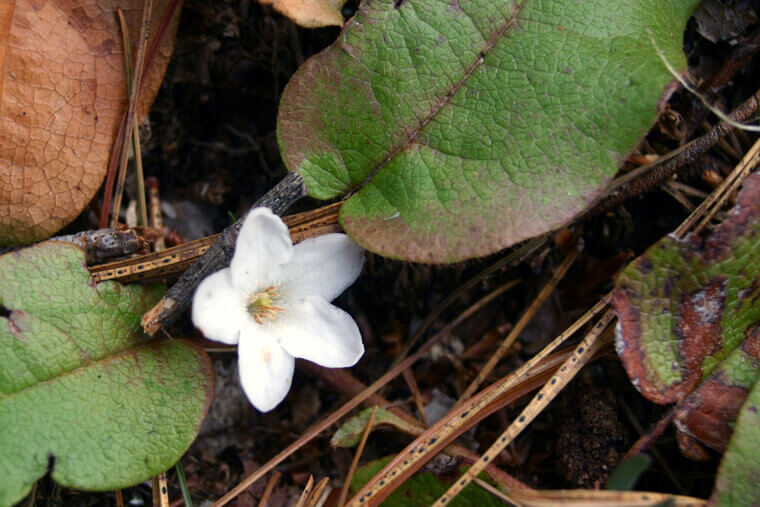
They tell the story of a new beginning in a vast, unknown wilderness. So for Americans who have been here for multiple generations, this is a special flower.
The Scandinavian "Bluebells of Scotland": A Northern Pride
Though named for Scotland, these delicate nodding bells were brought to the Upper Midwest by thousands of Scandinavian and British immigrants. In states like Minnesota and Wisconsin, these flowers represent the cool-climate traditions of the North. They were often planted near the doorsteps of log cabins to bring a touch of the European highlands to the American woods. Their ability to survive frost and return year after year is representative of the people of the land.
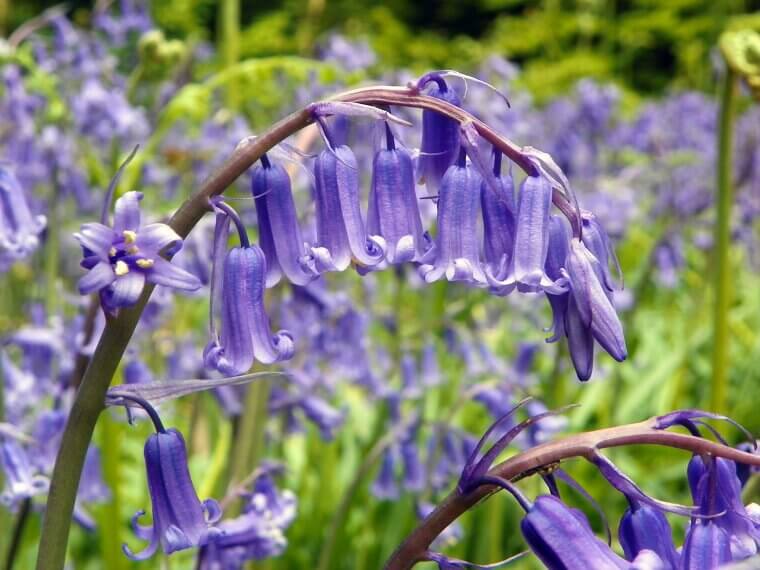
It mirrors the steady, quiet determination of the settlers who built the Dairy State. They offer a soft, blue reminder of the mountainous landscapes left behind.
The Appalachian "Old Man’s Beard" Fringe Tree: A Mountain Legacy
This native flowering tree is a cornerstone of Appalachian heritage, often called the "Grancy Greybeard" by locals. Historically, its white, wispy blooms marked the arrival of spring in the hollows of Kentucky and West Virginia. For the Scotch-Irish and German settlers of the mountains, this tree was a sign to begin planting crops. It represents the deep connection between the mountain people and the forest.
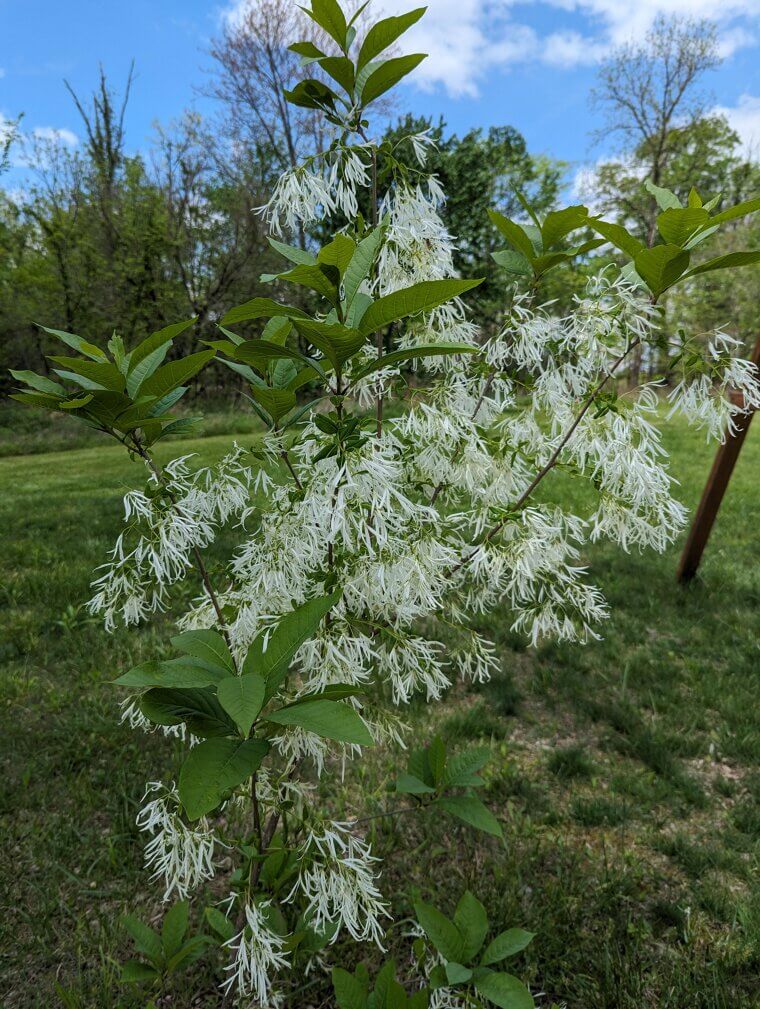
Its ethereal, fringe-like flowers bring a ghostly beauty to the garden, echoing the folk songs and stories that have echoed through those ancient hills for hundreds of years.
The Mexican Marigold of the Dead: A Southwest Spiritual Bond
Known as Cempasúchil, these vibrant orange flowers have been cultivated in the American Southwest and Mexico for centuries. They represent the indigenous and Hispanic heritage of honoring ancestors. Historically, their scent was believed to guide the spirits of loved ones back home during autumn festivals. In a heritage garden, they represent the bridge between the living and the dead, a core tenet of Latino culture.
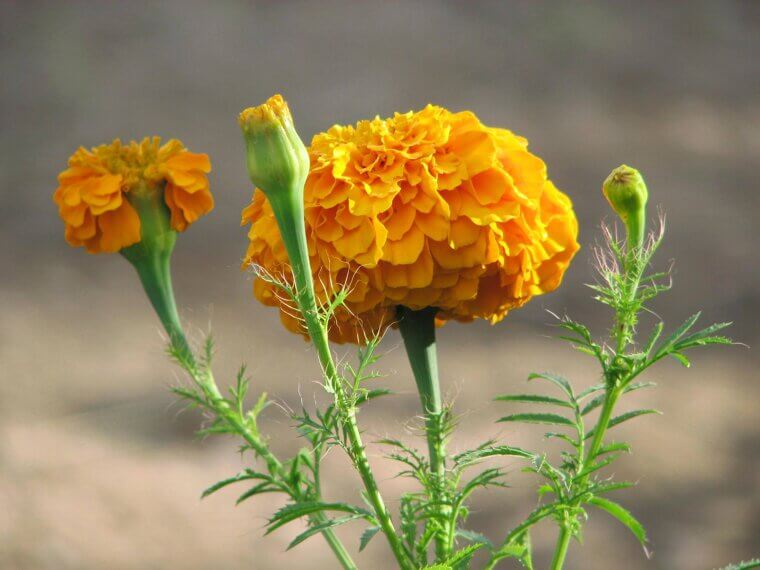
Their bold color and unique, earthy fragrance provide a sensory link to the traditional ofrendas and the rich, colorful history of the borderlands that long predates modern boundaries.
The Irish "Lace" Sweet Pea: A Memory of the Emerald Isle
Brought over during the great waves of Irish immigration in the mid-1800s, these climbing vines were a way for families to keep a piece of the moist, green Irish countryside in their new urban gardens in Boston and New York. Allegedly, the seeds were kept in pockets and shared between neighbors in tenement backyards. They represent the social bonds and the "gift of gab" inherent in Irish American culture.
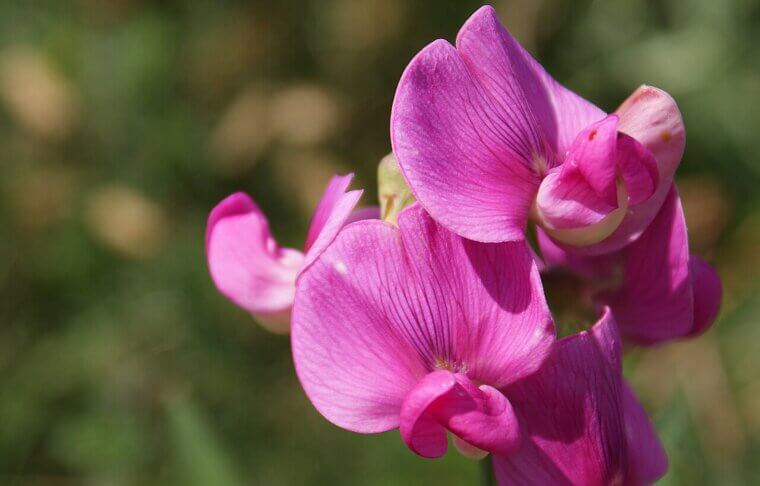
Their delicate fragrance and climbing nature symbolize the upward mobility and growth of a community that started with very little but bloomed into something beautiful.
The Native American "Gift of the Sun" Sunflower: A Prairie Guardian
Sunflowers were domesticated by indigenous peoples across North America thousands of years ago, long before European contact. For the Hidatsa and Mandan tribes, the sunflower was a "sacred first plant," representing the sun’s presence on earth and providing vital nutrition. These heirloom varieties, often with multiple heads, represent the deep agricultural wisdom of the First Nations. Planting them in your garden is an act of respect for the original stewards of the land.

They stand tall and proud, their faces following the light, symbolizing a heritage of harmony with the natural cycles of the earth.
The Italian "Nonno’s" Fig Tree Blossom: An Urban Heritage
While technically a hidden flower inside the fruit, the Mediterranean fig tree is the ultimate symbol of Italian American heritage in the Northeast and Mid-Atlantic. Historically, immigrants would reportedly wrap these trees in burlap and carpet to survive the cold winters, a testament to their dedication to their roots. The "bloom" of the fig represents the secret, interior strength of the family unit.
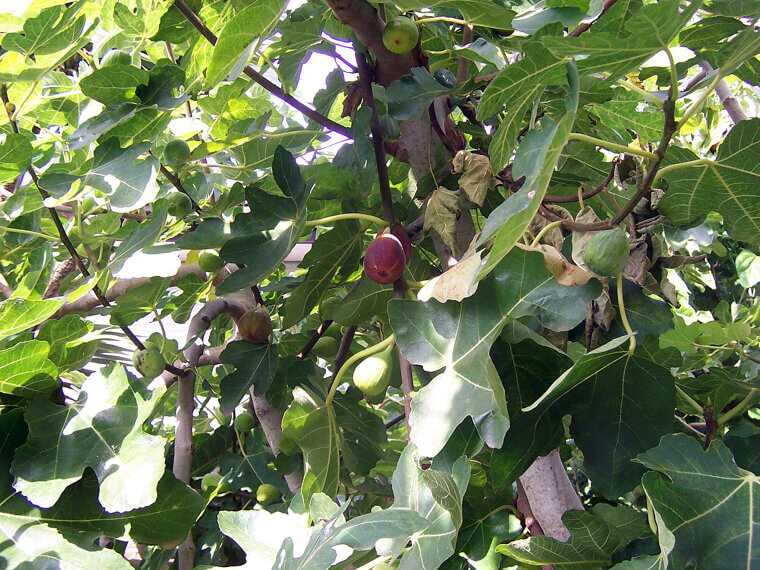
Having a fig tree in your garden, especially one started from a "cutting" of an elder’s tree, is the quintessential way to honor the "Little Italy" neighborhoods that defined the American immigrant experience.
The Quaker "Honesty" Money Plant: A Legacy of Integrity
Brought by English Quakers to Pennsylvania and New Jersey, this plant is famous for its translucent, silver seed pods that look like coins. It represents the Quaker values of simplicity, truth, and financial integrity. Historically, these were often dried and kept in homes throughout the winter as a reminder of the "Inner Light." In the garden, the purple flowers attract bees, while the later pods provide a striking visual of the early colonial period.
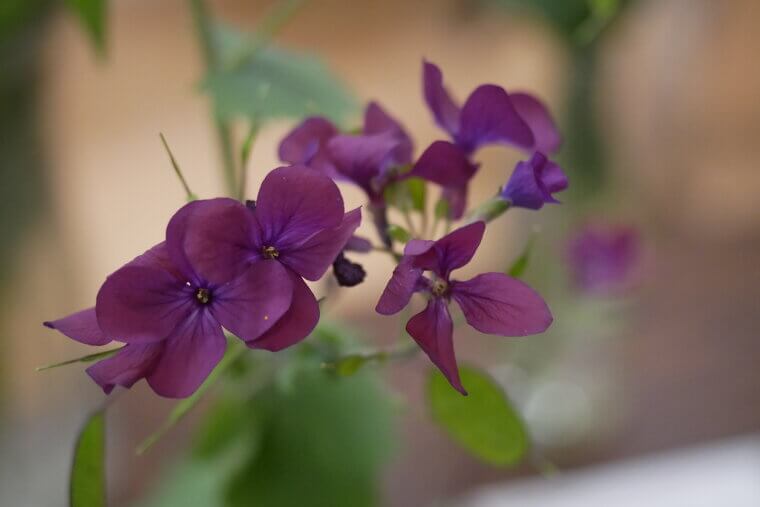
They remind us of the peaceful, industrious groups that sought religious freedom and established the foundational "breadbasket" of the early American colonies.
The Chinese "Tree Peony": A Golden Mountain Remembrance
During the California Gold Rush and the building of the Transcontinental Railroad, Chinese immigrants brought more than just labor; they brought a love for the "King of Flowers." These woody peonies represent the ancient heritage and the cultural resilience of the Chinese pioneers in the West. Allegedly, a few precious roots were tended in the small gardens of "Chinatowns" across the Sierra Nevadas. They are a symbol of prosperity and honor.
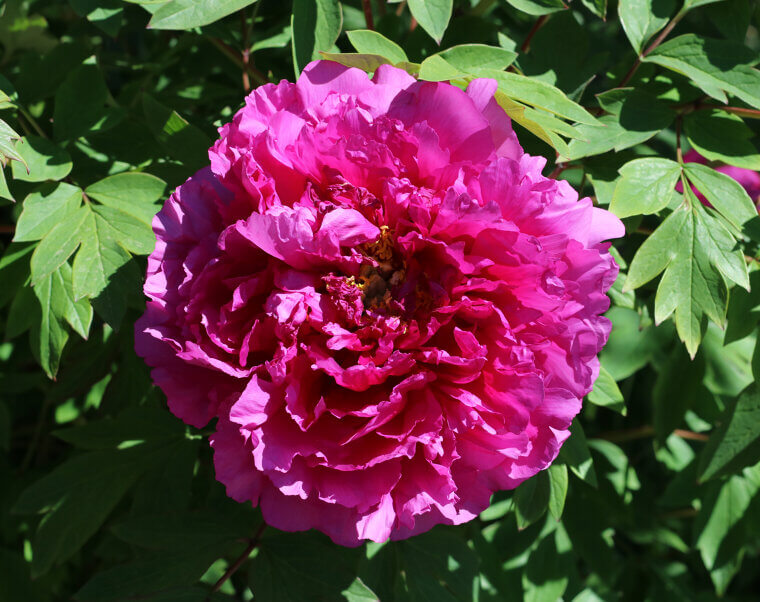
Growing a tree peony today recognizes the elegance and long-standing presence of Asian heritage in the American story, blooming with a regal, oversized grace.
The Pennsylvania Dutch "Bleeding Heart": A Folklore Classic
This distinctive flower, with its heart-shaped blooms, is a staple of the "Deitsch" or Pennsylvania Dutch heritage. It represents the romantic folklore and the artistic "hex sign" culture of the German-speaking settlers in the Lehigh Valley. Historically, these were a favorite in kitchen gardens, often shared between families as a sign of neighborly love. They symbolize the deep emotional connection to the land and the whimsical, decorative spirit of the rural Pennsylvania countryside.
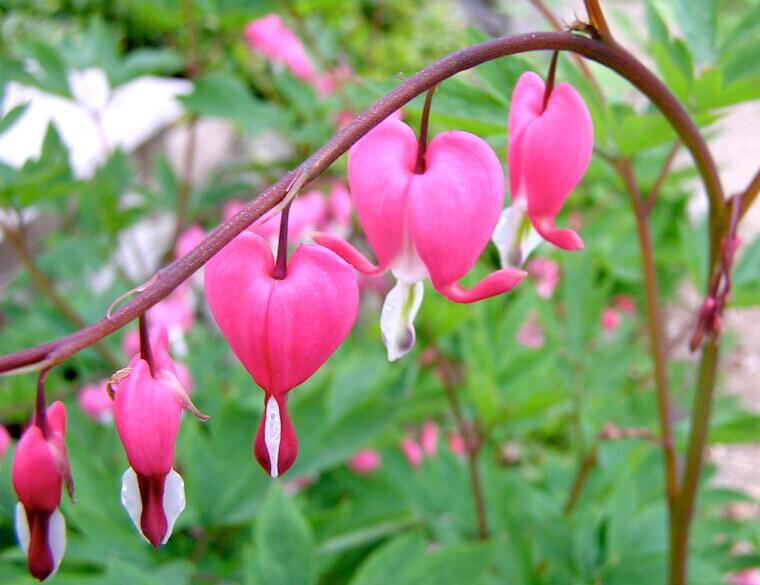
Their soft, arching stems bring a touch of old-world charm to any shady corner, telling a story of love and tradition.
The Southern "Butterbean" Blossom: A Kitchen Garden Staple
In the South, the delicate white flower of the lima or butterbean is a symbol of the subsistence gardens that sustained families through the Great Depression. This plant represents the "make do and mend" heritage of rural Southerners, both Black and white. Historically, the "Jackson Wonder" variety was a favorite for its ability to handle the sweltering heat. The flowers may be small, but they lead to the hearty beans that define Southern comfort food.
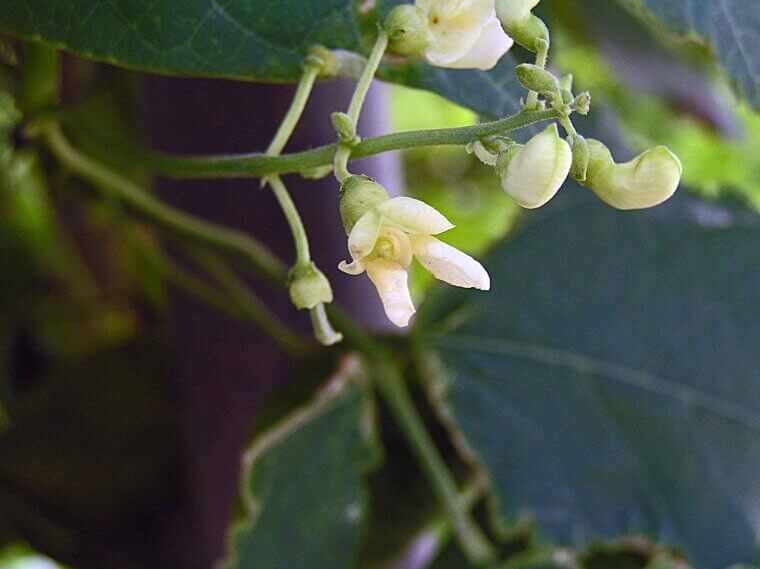
They represent the heritage of hospitality and the communal Sunday dinners that have been the heartbeat of the South for generations.
The Polish "Pierogi" Dill Flower: A Chicago Backyard Icon
While we often think of the herb, the tall, yellow umbrella-like flowers of the dill plant are a symbol of the Polish American heritage in cities like Chicago and Detroit. Reportedly, no Polish grandmother’s garden was complete without dill for pickling and seasoning. These flowers represent the preservation of culture through food. The airy yellow blooms attract beneficial insects and provide a nostalgic scent that reminds many of "Babcia’s" kitchen.
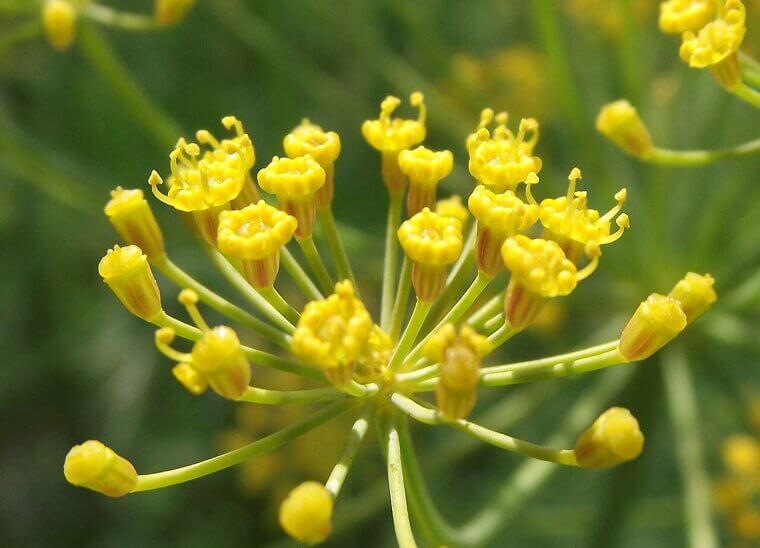
They are a tribute to the vibrant ethnic enclaves where traditional recipes were—and are—passed down like sacred texts to the next generation.
The Texas Bluebonnet: A Spirit of the Frontier
This wildflower is the ultimate symbol of Texan heritage, representing the rugged, independent spirit of the Lone Star State. Historically, the lupine was recognized by indigenous groups for its ability to "wolf" or enrich the soil, and it later became the beloved state flower. It represents the fusion of Native, Spanish, and pioneer histories on the open range. In a garden, Bluebonnets create a stunning sea of azure.

They tell the story of the vast, untamed American West and the people who learned to live in harmony with its wild, cyclical beauty.
The Mississippi "Creole" Hibiscus: A Gulf Coast Fusion
The bold, tropical-looking blooms of the hardy hibiscus represent the melting pot of the Gulf Coast. Tracing back to a mix of French, Spanish, and African influences, these flowers represent the vibrant "Creole" heritage of Mississippi and Louisiana. Historically, they were used in both decorative gardens and traditional herbalism. Their massive, colorful petals mirror the flamboyant energy of Mardi Gras and the rich, complex history of the Delta.
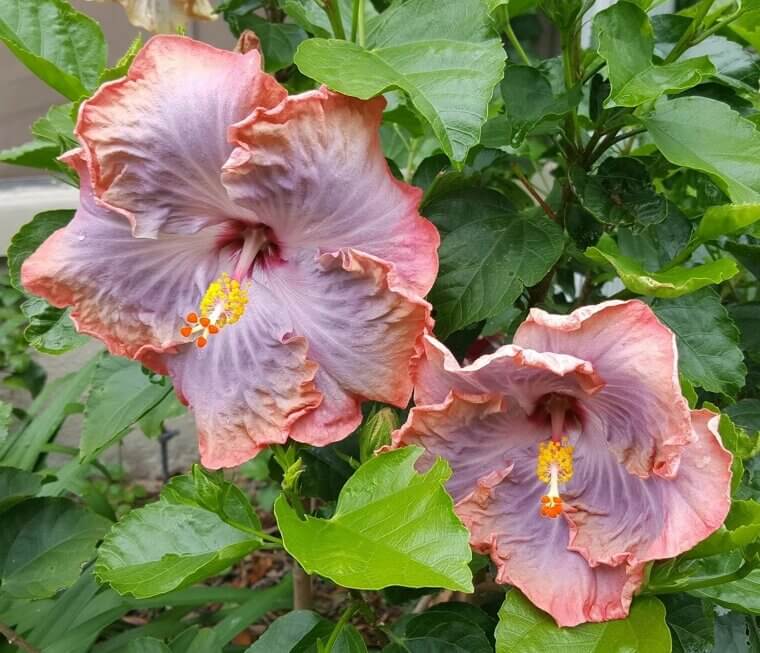
Planting these brings a touch of the bayou’s heat and mystery to your space, honoring the diverse ancestors who called the swampy coastline home.
The New York "Old Rose" Carnation: A Garment District Memory
The carnation was a symbol of the labor movements and the Jewish and Italian immigrant workers in the New York City garment district in the early 1900s. Often worn in lapels, these sturdy, fragrant flowers represent the fight for fair wages and the urban grit of the city’s heritage. Historically, they were the "everyman’s flower," affordable and long-lasting. In the garden, they offer a spicy, clove-like scent.
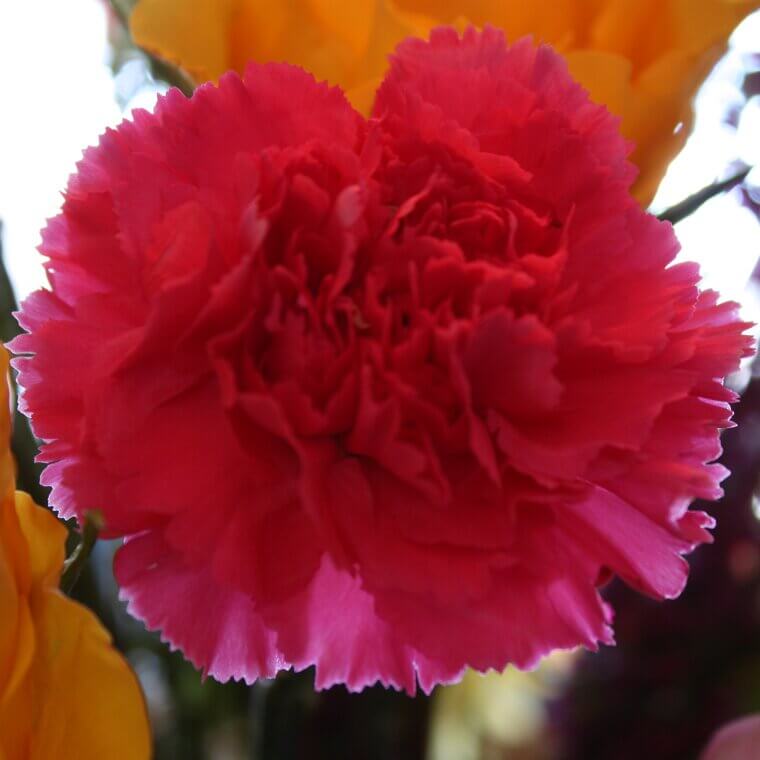
And they offer a connection to the busy, bustling streets where the American dream was forged in fabric and thread by millions of hopeful newcomers.
The Ozark "Lady’s Slipper" Orchid: A Mountain Secret
This rare, wild orchid represents the secluded, mystical heritage of the Ozark Mountains. Historically, the "slippers" were used in local folk medicine and were the subject of many mountain legends among the Scotch-Irish settlers. They represent the "wild-crafting" heritage of the hills—the knowledge of how to live off what the forest provides. Because they are delicate and specific to their environment, they symbolize the fragile beauty of the mountain ecosystems.
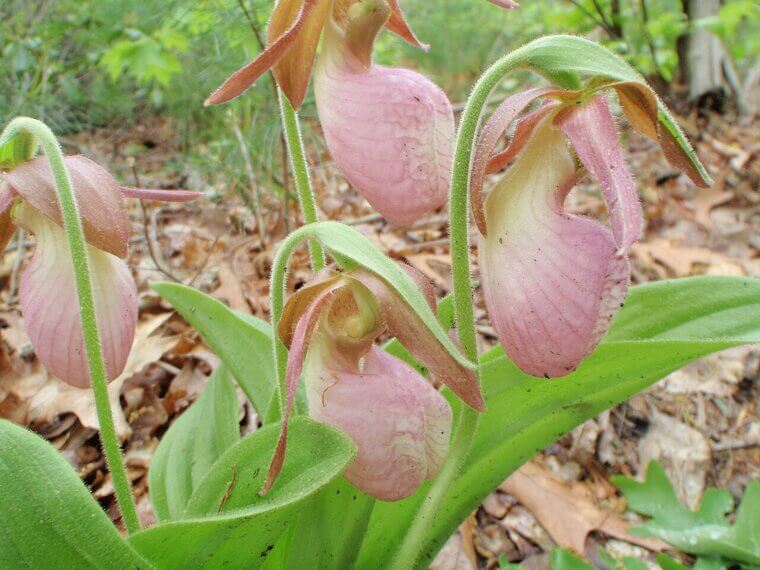
In a heritage garden, they represent the quiet, independent spirit of the people who find sanctuary in the deep, green hollows.
The Portuguese "Madeira" Geranium: A Whaling Port Legacy
In coastal towns like New Bedford and Gloucester, these vibrant geraniums represent the heritage of Portuguese whalers and fishermen. Reportedly, these plants were brought from the Azores and Madeira as cuttings, kept in pots on sunny windowsills when land was scarce. They symbolize the maritime connection and the tight-knit "Luso-American" communities of the Atlantic coast. Their bright, cheerful clusters of flowers are a nod to the seafaring ancestors who crossed the ocean.
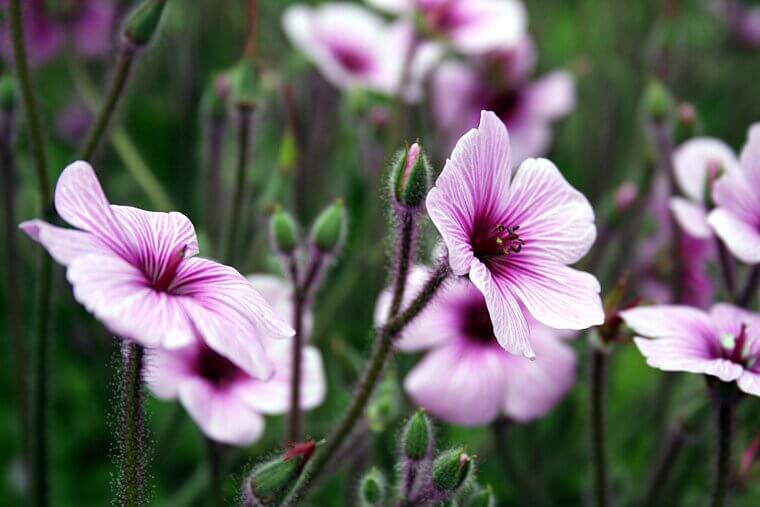
They may have crossed the ocean but they never forgot the colorful, sun-soaked islands of their birth, bringing that warmth to the rocky New England shore.
The African American "Haint Blue" Iris: A Lowcountry Guardian
In the Gullah-Geechee heritage of the coastal Southeast, the color blue is believed to ward off "haints" or restless spirits. Blue flag irises were historically planted near doorways and gates for this protective purpose. They represent a unique blend of West African spirituality and American southern gardening. The sleek, regal petals of the iris stand like sentinels in the garden. Planting them honors the preservation of African traditions in the Sea Islands.
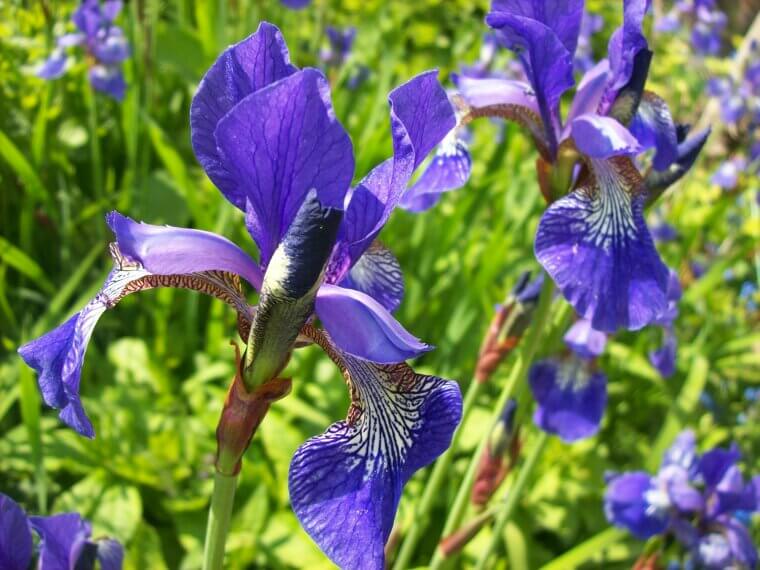
There, the "Old Ways" have been carefully guarded and passed down through generations of families living along the marshy edges.
The Native American "Peace" Dogwood: An Eastern Woodland Sign
The flowering dogwood holds deep significance for Eastern tribes like the Cherokee and Haudenosaunee. Its four-petaled white blooms reportedly marked the time to plant corn and represented the renewal of life. In the "Ancestry Garden," the dogwood represents the deep ecological calendar used by indigenous peoples for millennia. It is a symbol of peace and the protection of the home. The tree hass graceful horizontal branches and spring "stars."
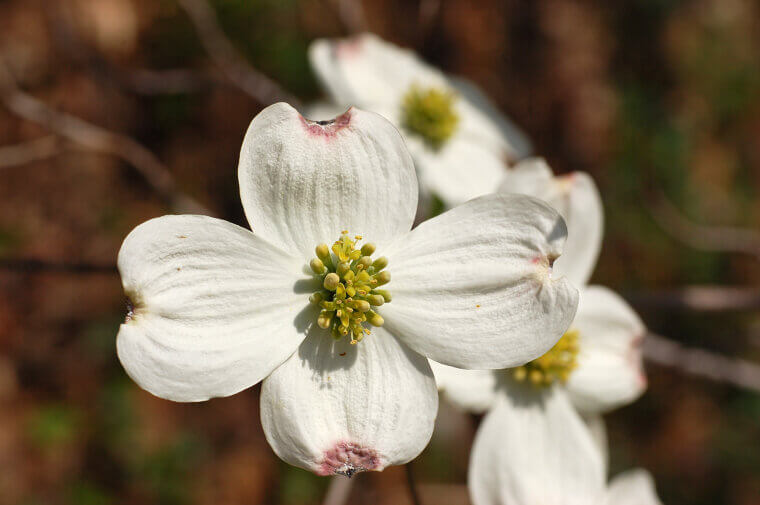
These details offer a moment of reflection on the ancient wisdom of those who first understood the rhythms of the North American forests.
The Swedish "Midsommar" Daisy: A Great Lakes Celebration
In the Swedish communities of the Great Lakes and the Pacific Northwest, the simple white oxeye daisy is a symbol of the Midsommar festival. It represents the heritage of celebrating the longest day of light after a dark northern winter. Historically, these flowers were woven into crowns and used to decorate maypoles. They represent the joy and communal spirit of the Scandinavian diaspora. In your garden, they are a carefree, sunny reminder of the importance of community.
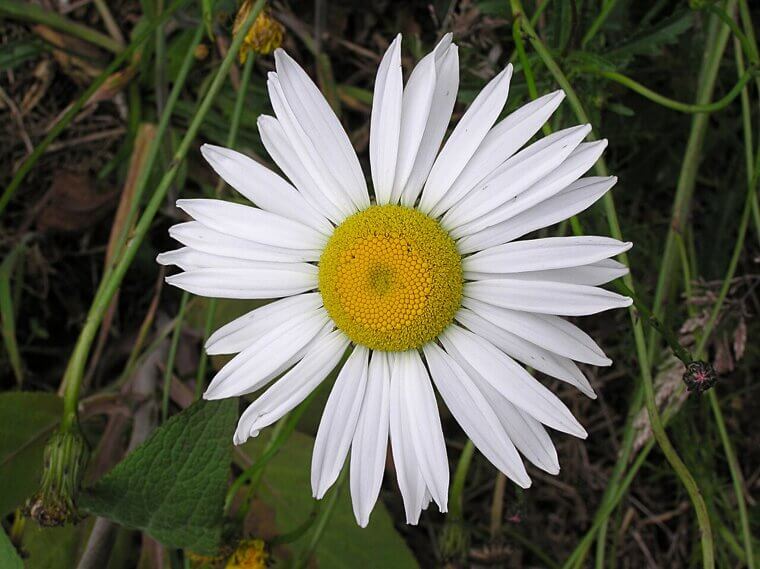
And the importance of seasonal celebrations that keep family traditions alive, even thousands of miles from the original homeland.
The Scottish "Thistle of the Heather": A Highland Pioneer
The hardy, prickly thistle is the enduring symbol of Scottish heritage, brought to the American South and the Carolinas by Highland settlers. It represents the fierce independence and the "never-give-up" attitude of the Scots-Irish pioneers who settled the backcountry. Historically, these settlers were known for their resilience in the face of hardship, much like the thistle that thrives in poor soil. It is often considered a weed by some.
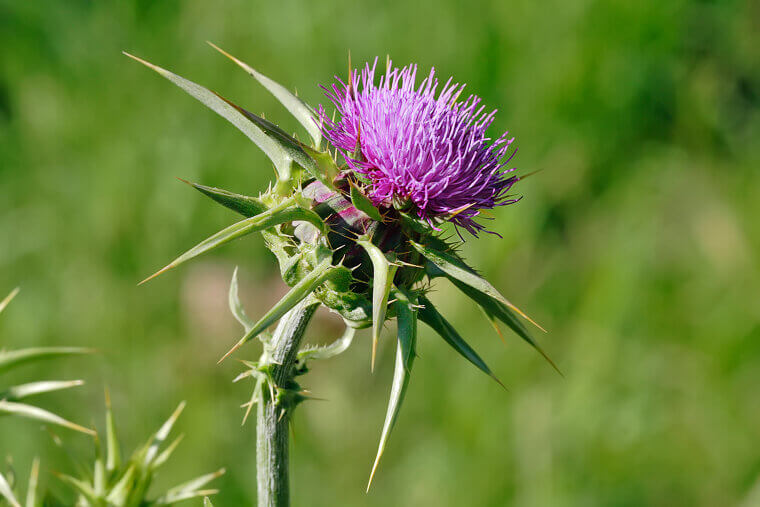
But the heritage variety’s purple crown is a badge of honor in the garden, telling a story of bravery and survival in the wild frontier.
The Mormon "Sego Lily": A Desert Miracle
For the pioneers who settled the Great Basin and Utah, the Sego Lily represents a literal life-saver. Historically, the edible bulbs of this beautiful, cup-shaped white flower helped the early Mormon settlers survive a cricket-induced famine in the 1840s. It represents the heritage of faith and the "desert blooming like a rose." The lily is delicate but grows in the harshest of sandy soils, symbolizing the ability to find beauty and sustenance in a dry, unforgiving land.
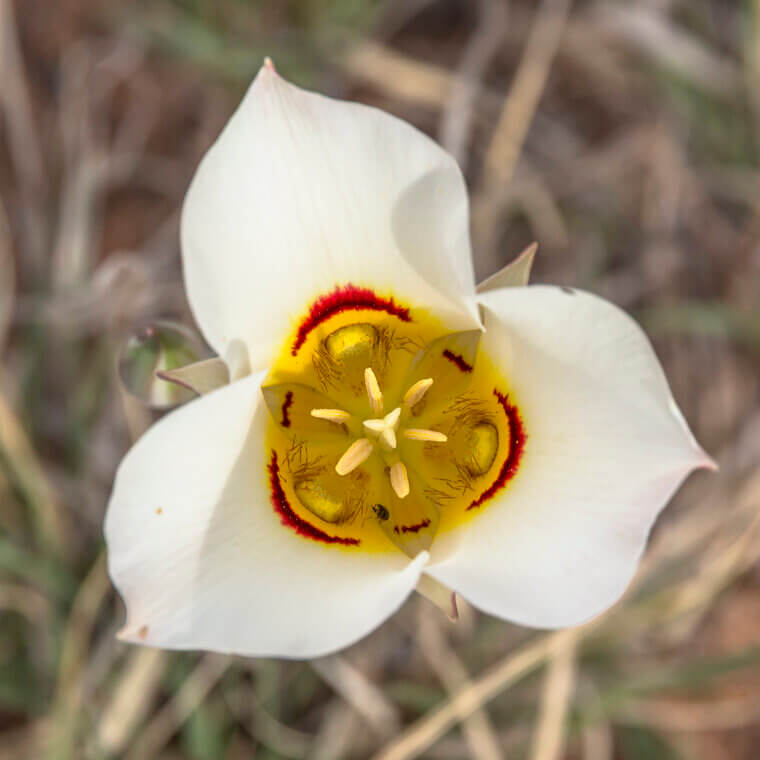
It is a quiet, elegant tribute to the endurance of the pioneers of the Intermountain West.
The French "Fleur-De-Lis" Iris: A St. Louis and Detroit Legacy
The stylized iris, or fleur-de-lis, is the heraldic symbol of France and a major part of the heritage of cities like St. Louis, Detroit, and New Orleans. Historically, French explorers and fur traders established these outposts, and the iris represents that early colonial influence. In the garden, tall bearded irises in shades of blue and white represent the elegance and the lasting "French Connection" in the American heartland.
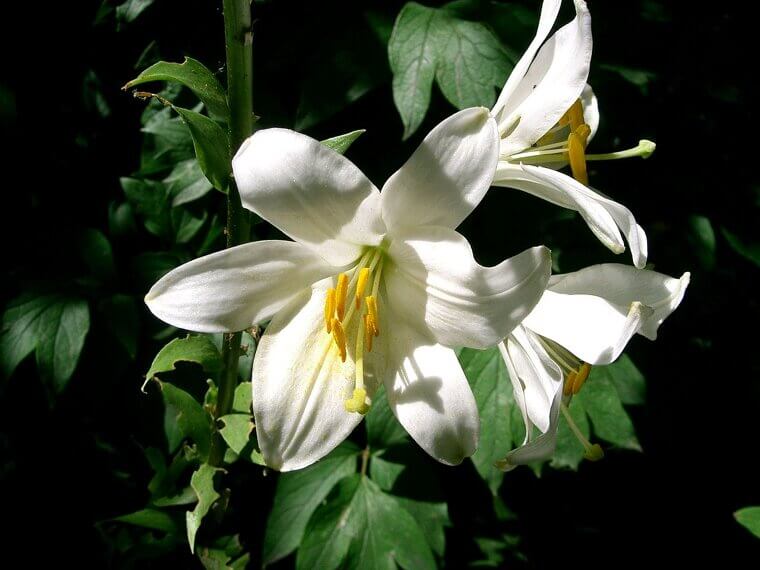
They are a reminder of the vast territory of New France and the cultural fingerprints left behind in the architecture, food, and gardens of the Midwest.
The Mexican "Dahlia": A Pre-Columbian Treasure
The dahlia is the national flower of Mexico and was originally cultivated by the Aztecs for food and medicine. It represents the deep indigenous roots of the Hispanic heritage in North America. Historically, these were "discovered" by Europeans in the 16th century, but they had been perfected by Mexican gardeners for hundreds of years. The dizzying array of shapes and colors in heirloom dahlias represents the vibrant diversity of Latino culture.
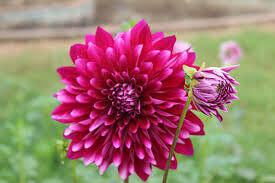
Growing them honors the sophisticated botanical knowledge of the ancient Americas, bringing a sophisticated, geometric beauty to the modern garden landscape.
The British "Cottage" Hollyhock: A Colonial Border Classic
Hollyhocks are the quintessential flower of the English cottage garden, brought to the American colonies in the 1600s. They represent the heritage of the "homestead," where every plant had a purpose, from medicine to beauty. Historically, they were planted against the walls of outhouses or barns because they could tolerate poor soil and provided a vertical splash of color. They symbolize the sturdy, practical nature of the early English settlers.

Their towering stalks and ruffled blooms remind us of the simple, hardworking beginnings of the rural American lifestyle and the charm of the village green.
The African "Black-Eyed Susan" Vine: A Story of Survival
While the common wildflower is native, the climbing Thunbergia variety was often associated with African American gardens in the South. Its dark center and bright yellow petals represent the "seeing eye" and the watchful resilience of a community that survived under the hardest conditions. Historically, these vines were used to provide shade on porches and to beautify the humble "swept yards" of the rural South.

They represent the ingenuity of using every bit of space to create a sanctuary. In the garden, they climb and weave, a symbol of the interconnectedness of family and faith.
The Dutch "Tulip" of the Hudson Valley: A New Amsterdam Legacy
Tulips are the lasting legacy of the Dutch settlers who founded New Amsterdam (modern-day New York) and settled the Hudson River Valley. Historically, "Tulip Mania" in the Netherlands followed these settlers to the New World, where they planted vast bulb gardens. They represent the mercantile spirit and the early international connections of the Mid-Atlantic. In your garden, a spring display of heirloom tulips honors the Dutch influence on American commerce.
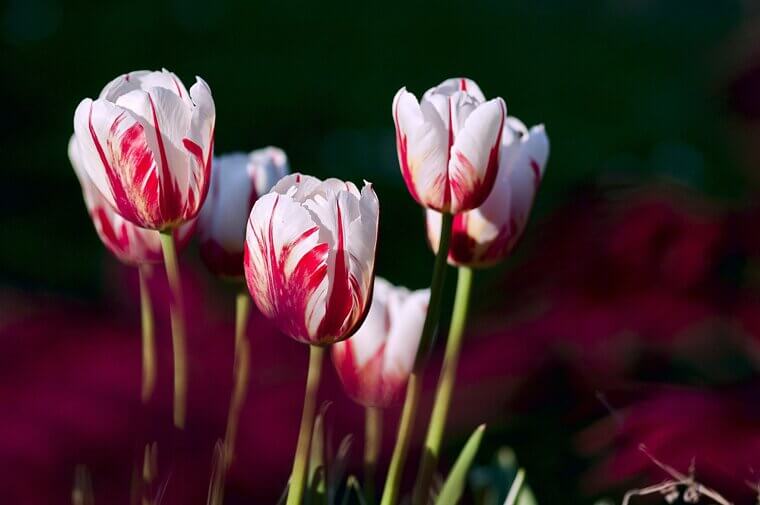
And it honors the refined, colorful aesthetics they brought to the colonial landscape, marking the end of winter with a burst of ancestral pride.
The Vietnamese "Lotus" of the Gulf: A Modern Heritage
In the late 20th century, Vietnamese immigrants settling along the Gulf Coast of Texas and Louisiana brought their love for the sacred lotus. It represents the heritage of the Vietnamese diaspora and the ability to "rise from the mud" to create something pure and beautiful. Historically, these plants are grown in backyard ponds and used for both their beauty and their edible seeds. They represent the newest chapter in the American story.

They symbolize the blending of Southeast Asian traditions with the American landscape. A lotus in your garden is a symbol of peace and the ongoing evolution of heritage.
The Jewish "Rose of Sharon": A Symbol of the Diaspora
This hardy shrub, with its soft blossoms, has long been associated with the "Rose of Sharon" mentioned in ancient texts. For Jewish American families, particularly those in the Northeast, it represents the heritage of the diaspora and the ability to take root and bloom in any land. Historically, it was a favorite in the small, carefully tended gardens of the suburbs after the move from the inner cities. It represents the beauty of endurance and the "ever-blooming" nature of faith.
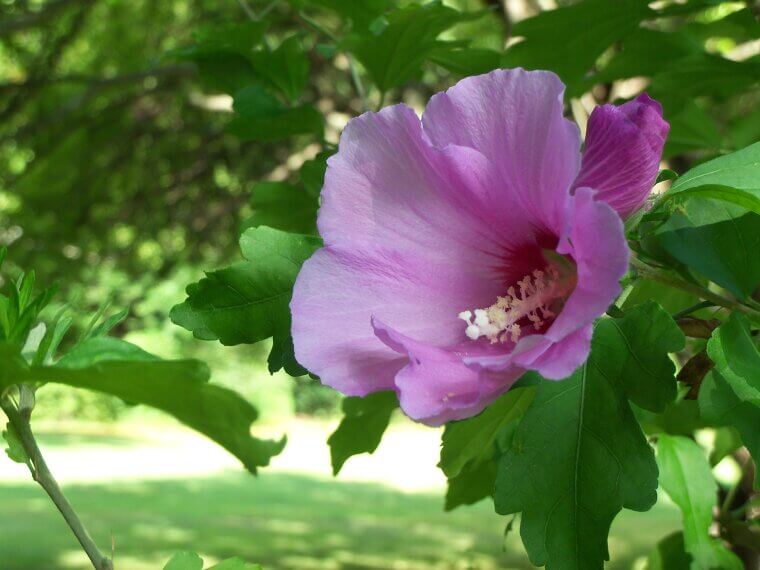
In the garden, its late-summer flowers provide a steady, reliable beauty that honors a long and storied history.