
Remember when "high-tech" meant something you could actually fix with a screwdriver and a little bit of patience? This list is a nostalgic trip through the sturdy and incredibly reliable gadgets that defined our younger years. Grab a cup of coffee and see how many of these classics you remember using—it’s time to celebrate the era of "built to last!"
View-Master Sliders
Before high-definition virtual reality headsets, we had the sturdy red View-Master. Inserting that circular cardboard reel and pressing the heavy orange lever provided a satisfying click that transported you to the Grand Canyon or a Disney movie set. The 3D effect felt like pure magic, offering a depth that modern flat screens struggle to replicate. It was a rugged, battery-free piece of technology that survived drops on the sidewalk.
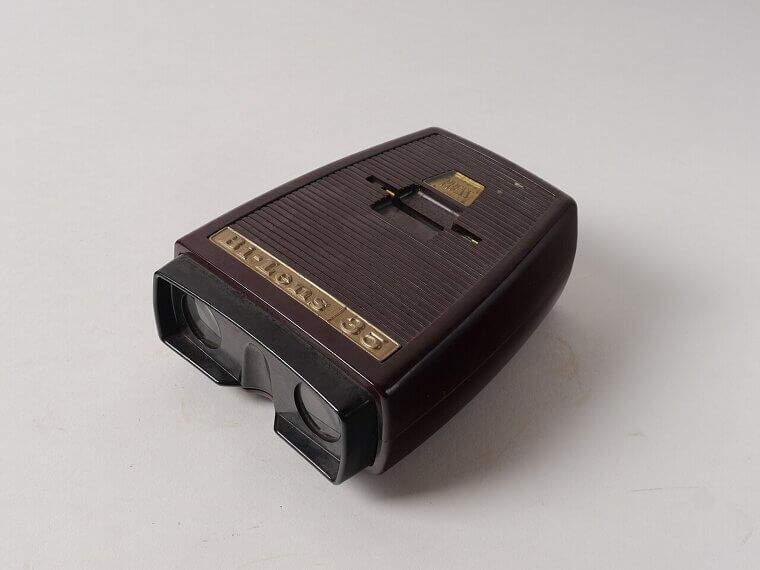
Today’s digital photos feel ephemeral, but those tiny film transparencies felt like holding a tangible piece of another world in your hands.
The Pocket Radio
Before smartphones and streaming apps, the transistor pocket radio was our primary connection to the outside world. Tuning the dial was a delicate art, listening for the signal to emerge through the static like a hidden treasure. There was something special about huddling under the covers at night, listening to a baseball game or a distant music station. It didn't track your data or show you ads; it simply captured waves from the air.
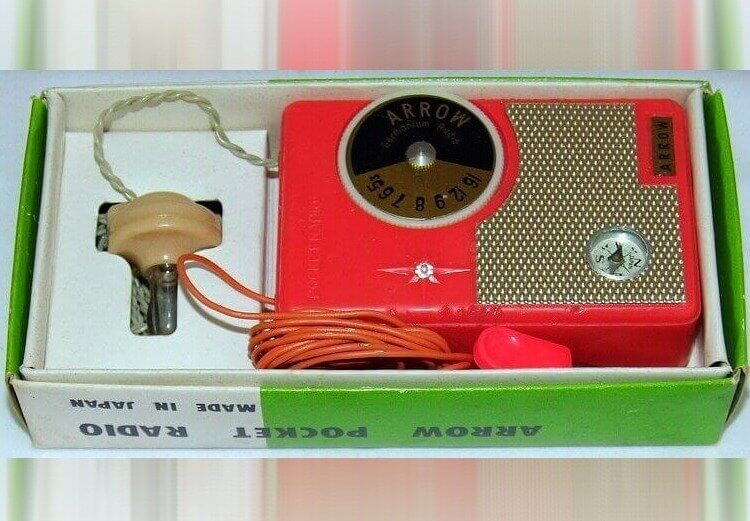
The warm, slightly fuzzy audio quality provided a cozy soundtrack to childhood that crystal-clear digital audio sometimes lacks.
The Hand-Crank Sifter
Long before electronic mixers and pre-sifted flour became the norm, this kitchen staple was the secret to the fluffiest cakes. It wasn't just about the flour; it was the rhythmic, metallic sound and the tactile feel of baking alongside your mother or grandmother. You could feel the resistance of the clumps as you squeezed the handle, and the resulting cloud of white powder was mesmerizing.
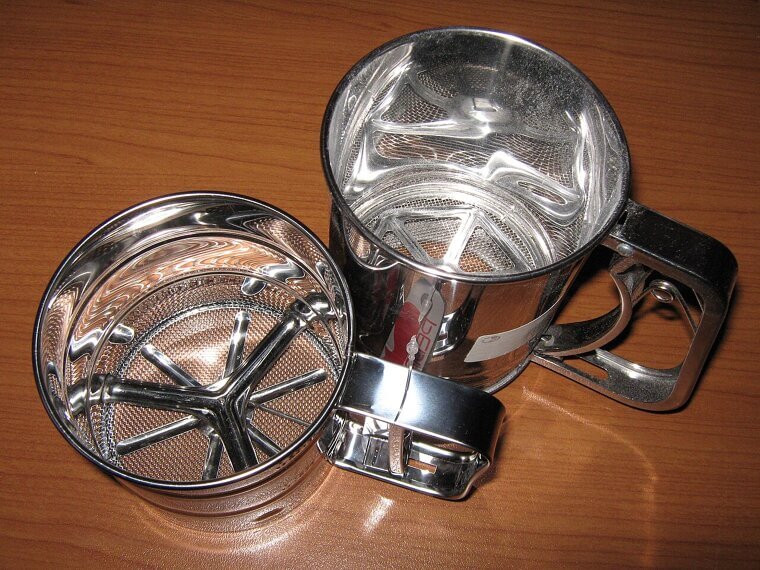
Modern plastic sieves feel flimsy by comparison, and they certainly don't offer that satisfying, mechanical "ching-ching" sound that signaled something delicious was being prepared for Sunday dinner.
The Paper Road Atlas
Navigating a road trip used to involve unfolding a massive, colorful map across the dashboard. While GPS is undeniably easier, it robs us of the "big picture" perspective. A paper atlas allowed you to see the entire state at once, encouraging spontaneous detours to oddly named towns or scenic overlooks. Tracing your route with a highlighter created a permanent record of your journey. Modern navigation apps focus only on the next turn.
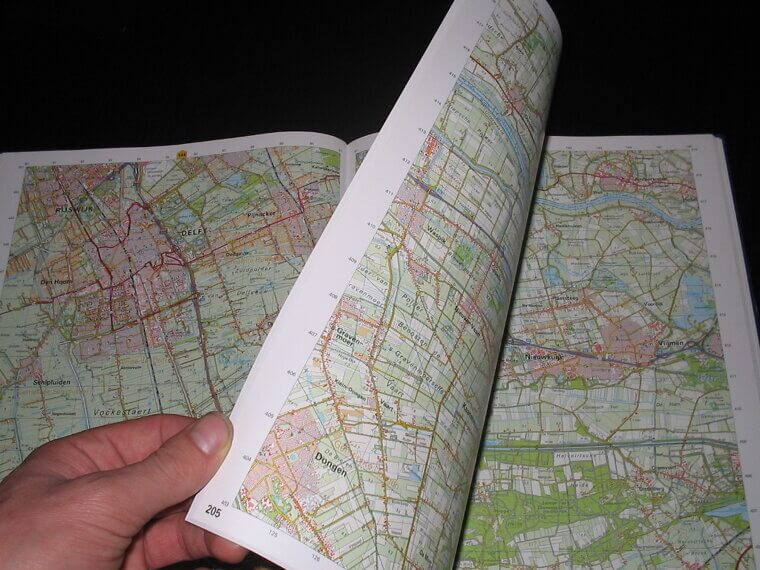
But the old Rand McNally made the entire world feel like an open book waiting to be explored.
The School Mimeograph Machine
Long before the sterile smell of toner from a modern laser printer, there was the intoxicating scent of a fresh mimeograph. Teachers would hand out purple-inked worksheets that were still slightly damp and cool to the touch. The entire class would instinctively lift the paper to their noses for a deep sniff. The hand-cranked drum of the ditto machine was a marvel of low-tech duplication.
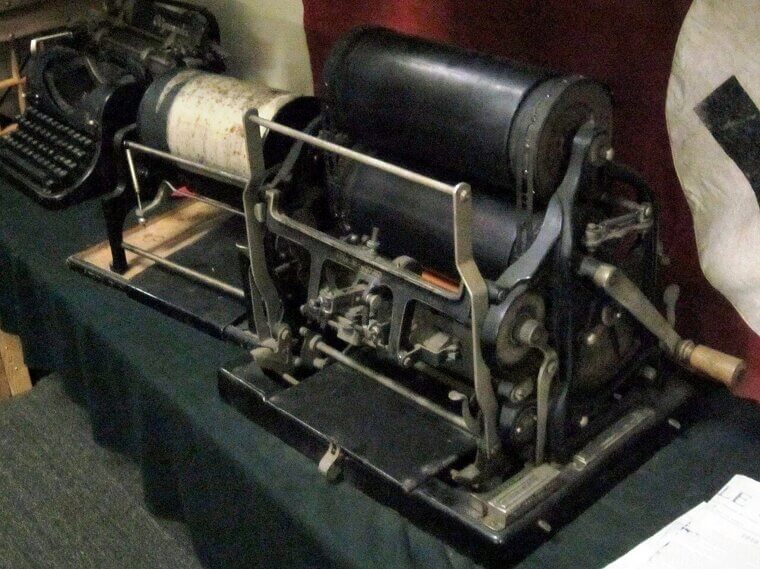
While the copies weren't always perfect, they had a handmade quality that made the school day feel a little more tactile and sensory.
Canvas Tents With Metal Poles
Today's "pop-up" nylon tents feel like flimsy umbrellas, but the old canvas tents were like portable fortresses. They were heavy, smelled of rain and woodsmoke, and took real teamwork to assemble with those thick aluminum poles. Once inside, the thick fabric provided a sense of security and insulation that thin synthetic materials lack. They didn't flap loudly in the wind; they stood their ground.

Waking up in a canvas tent felt like being truly connected to the outdoors, offering a cozy, rugged shelter that felt earned.
The Wall-Mounted Pencil Sharpener
Every classroom and home office used to have a heavy, silver Boston sharpener bolted to the wall or desk. Inserting a pencil and turning the hand crank produced a grinding sound that was incredibly satisfying. It gave you a perfectly tapered, lethal point that modern battery-operated sharpeners often struggle to match. The smell of the cedar wood shavings trapped in the clear receptacle was a hallmark of the school year.
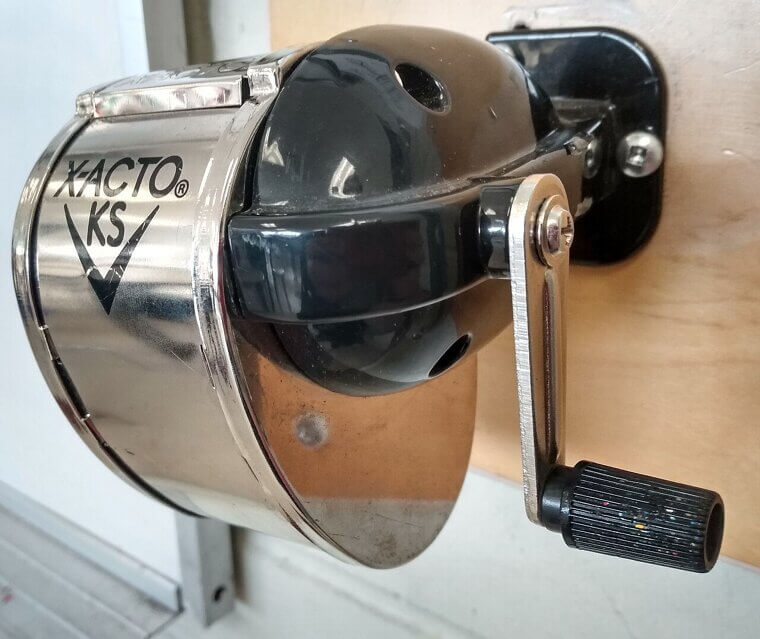
It was a simple tool that did one job perfectly, requiring no electricity and lasting for decades.
Slinky (Original Metal)
The modern plastic versions of this toy are colorful, but they lack the weight and the "walk" of the original steel Slinky. The way the metal coils would liquidly pour themselves down a flight of wooden stairs was a lesson in physics and momentum. The distinct "slink-slink" sound as the coils hit each other was metallic and musical. It was a simple invention that didn't need batteries or a screen to provide hours of entertainment.
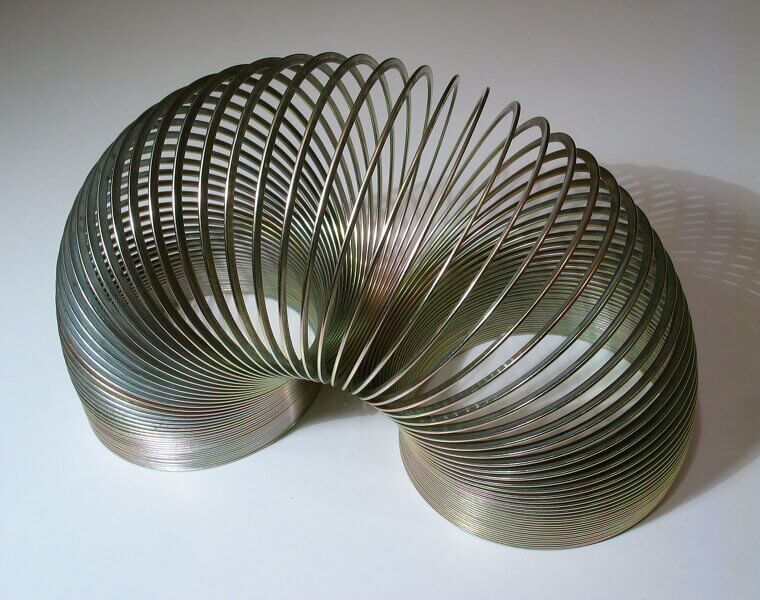
It proved that the best gadgets are often the ones that rely on gravity and imagination.
The Slide Rule
Before the pocket calculator changed everything, the slide rule was the badge of the serious student or engineer. It was a beautiful, analog computer made of wood or bamboo with a sliding middle scale. Using one required a deep understanding of mathematics and logarithms; you couldn't just mindlessly punch in numbers. It felt like a precision instrument in your hands, requiring a steady touch and a sharp eye.
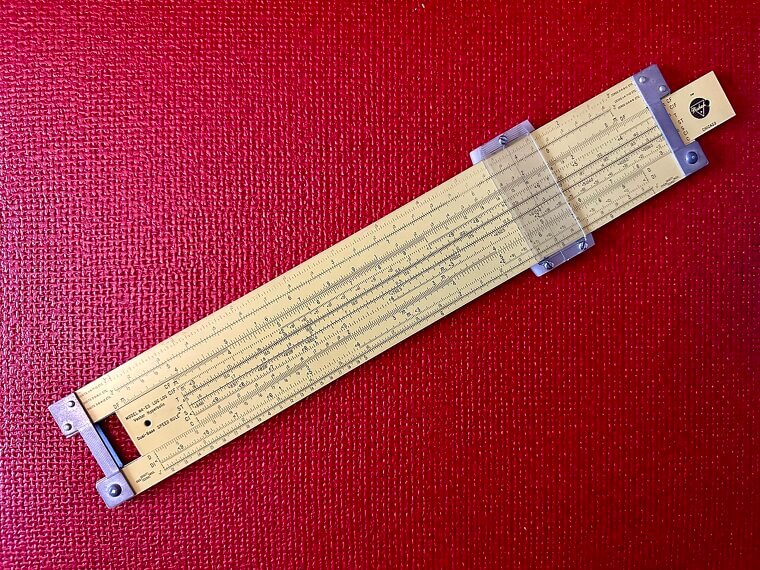
It represents a time when "computing" was a physical, intellectual exercise rather than a digital shortcut, making the answers feel far more substantial.
The Library Card Catalog
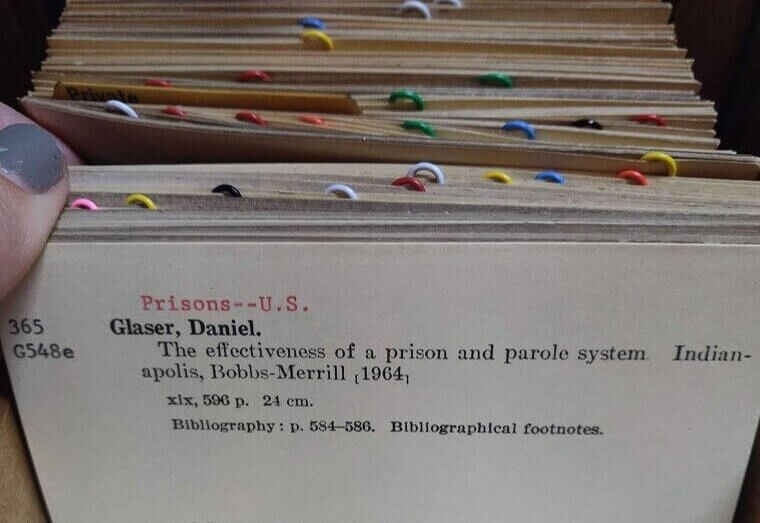
Searching for information today is a sterile act of typing into a search bar. However, the old wooden card catalog was a sensory masterpiece. The smell of aged paper and ink, the sound of the metal rods sliding, and the tactile flicking through thousands of hand-typed cards made research feel like a scavenger hunt. You often stumbled upon related topics simply because their cards were filed nearby.
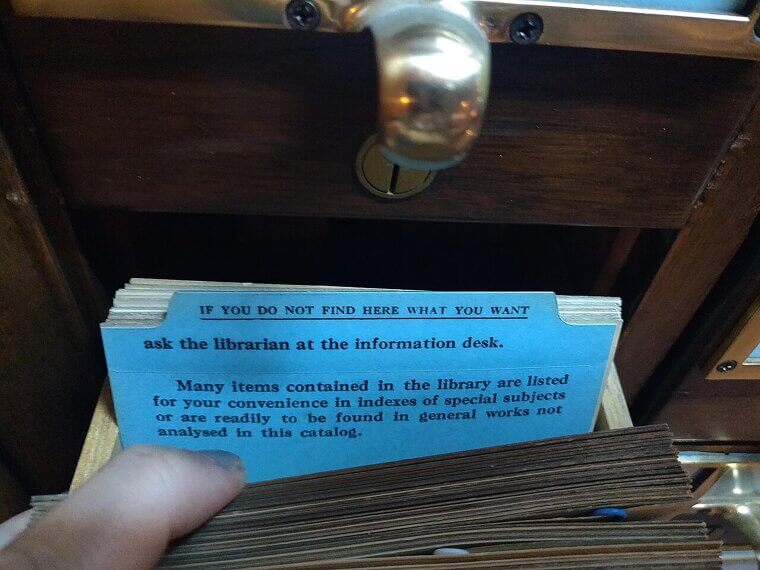
It turned the pursuit of knowledge into a physical journey through the stacks, making the eventual discovery of the book feel much more rewarding.
The Glass-Lined Thermos
Modern vacuum flasks are durable, but the old glass-lined Thermos was a master of heat retention. It could keep coffee piping hot for an entire workday in a way that modern steel versions sometimes struggle to do. There was a specific "clink" of the glass interior and the smell of the cork or plastic stopper that defined many a lunch break. You had to be careful not to drop it.
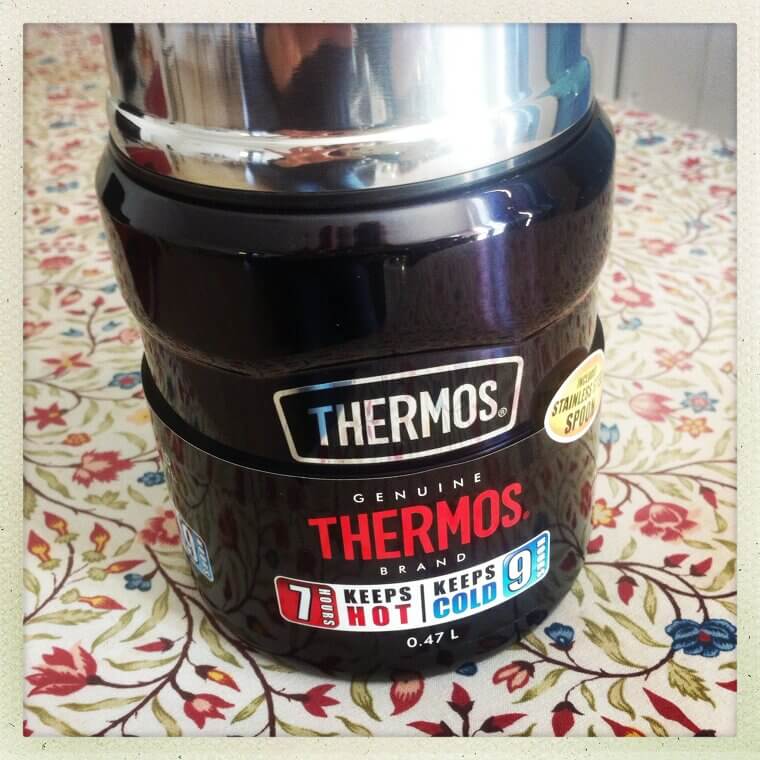
And that taught a certain level of respect for your belongings—a stark contrast to today’s "ruggedized" but less efficient plastic gear.
Manual Car Windows
There was a specific physical satisfaction in "cranking" a car window down. It gave you total control over the speed and height of the glass, and you never had to worry about a blown fuse or a broken motor. You could feel the gears working through the handle. It also prevented the frustration of having to turn the ignition back on just to close a window.
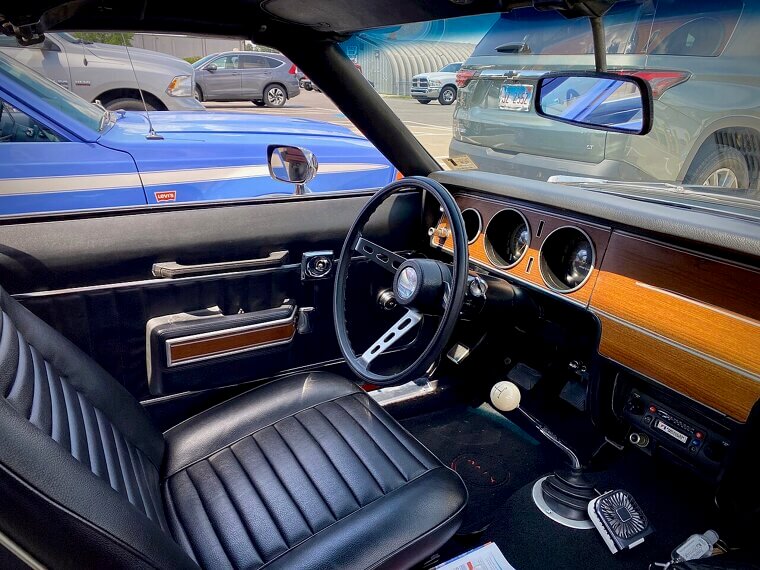
In the era of modern cars where everything is governed by a computer chip, the simple reliability of a hand-cranked window feels like a lost luxury.
Hand-Crank Ice Cream Makers
Modern electric ice cream makers are easy, but they lack the communal joy of the hand-cranked wooden bucket. Adding the rock salt and ice, then taking turns at the handle as the mixture thickened, was a rite of summer. You could feel the ice cream "ripening" as the resistance grew. The reward at the end—a scoop of the coldest, creamiest vanilla—felt truly earned.
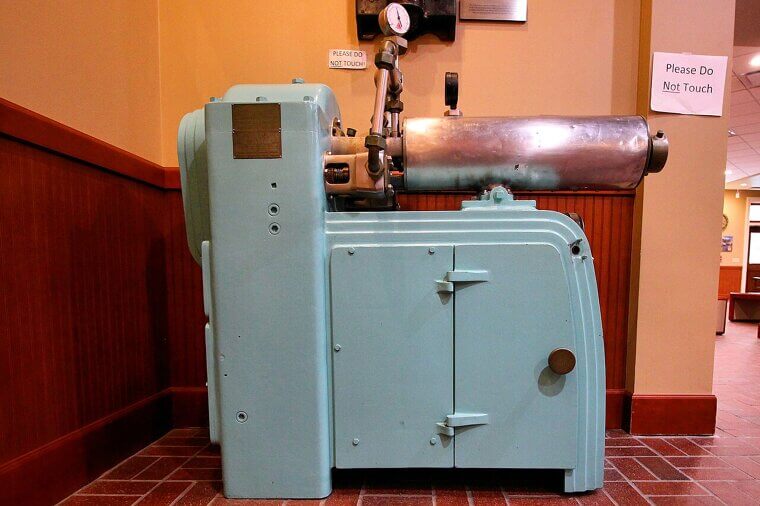
It turned a dessert into a family activity, creating memories of sticky fingers and tired arms that no store-bought pint or automatic machine can match.
The Steel Lunchbox
Before the era of soft-sided, insulated bags, your lunchbox was a literal piece of armor for your sandwich. These rectangular steel containers, often emblazoned with colorful scenes from popular television shows, were nearly indestructible. The metal latch had a distinct, heavy "clink" when it closed, ensuring your thermos stayed tucked safely inside. Unlike modern plastic containers that hold onto odors, these metal boxes were easy to scrub clean.
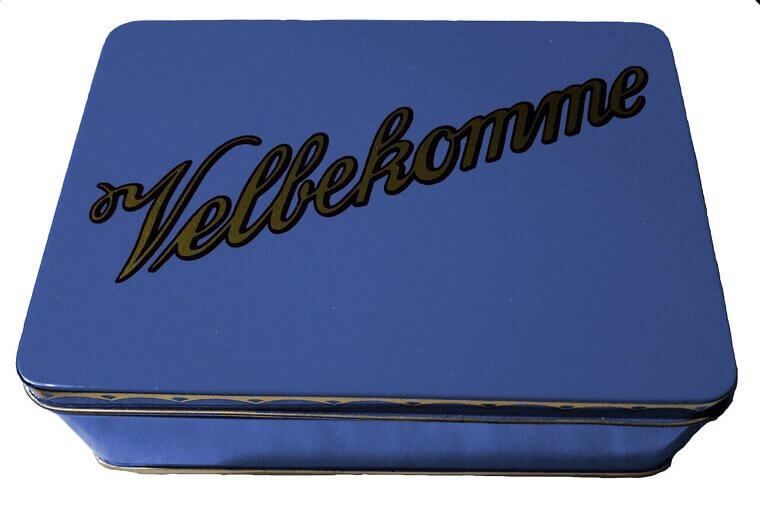
Plus, they could survive being dropped on the playground or used as an impromptu stool during a long wait for the school bus.
Mechanical Metronomes
For anyone who took piano lessons, the wooden pyramid of the mechanical metronome was a constant companion. The rhythmic "tock-tock" of the swinging metal arm was much more authoritative than the electronic "beep" of a modern app. You could see the tempo moving, which helped internalize the beat. Winding it up and sliding the weight to adjust the speed felt like preparing for a performance.
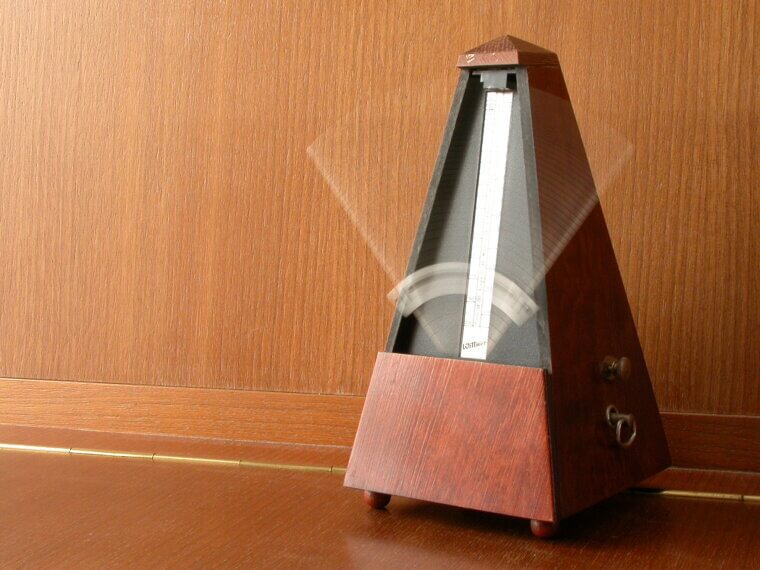
It was a beautiful piece of craftsmanship that doubled as decor, standing proudly on the piano rather than hiding inside a smartphone.
Kodak Carousel Slide Projectors
Family gatherings were often defined by the "slide show." The heavy thud of the carousel advancing and the warm glow of the projector bulb created a theater-like atmosphere in the living room. Seeing your summer vacation projected six feet wide on a beaded screen was an immersive experience that scrolling through a phone gallery can't touch. The cooling fan's steady hum and the smell of the warm dust added to the ambiance.
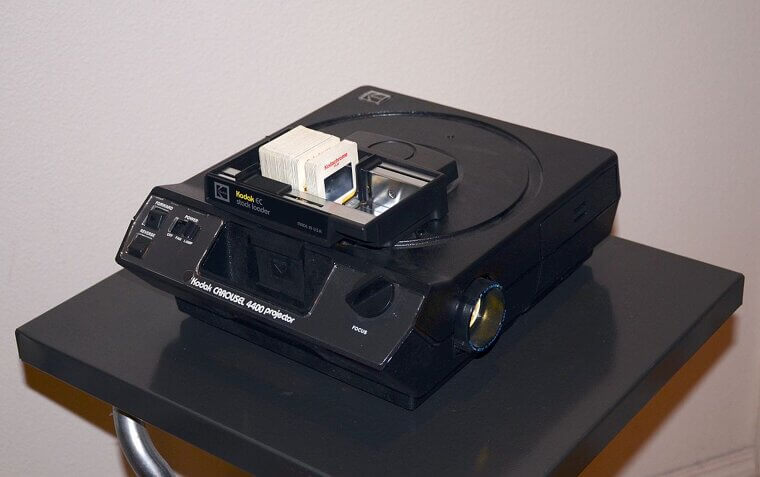
It turned personal memories into a grand, shared event, forcing everyone to sit together and truly appreciate the moment.
The Metal Breadbox
In an age of preservatives and plastic-wrapped loaves, the countertop breadbox was a functional piece of kitchen art. Usually made of heavy-duty tin or steel with a roll-top or hinged door, it provided the perfect dark, room-temperature environment to keep crusty bread fresh. The smooth glide of the "tambour" door and the solid "thud" when it shut was a comforting kitchen sound.
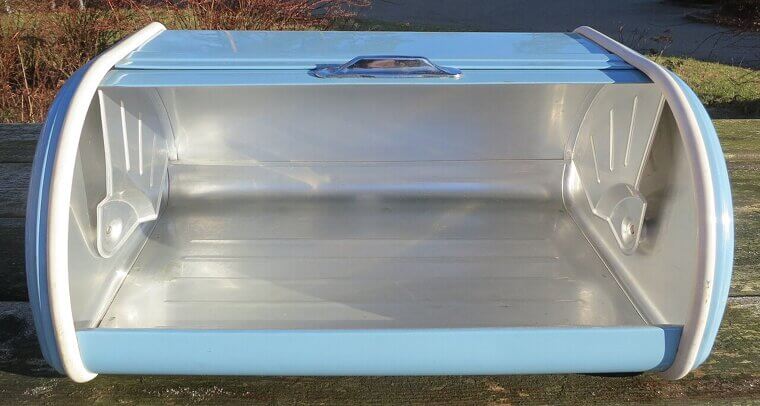
It kept the counters looking tidy and protected the bread from light and air, representing a time when we bought food daily and treated the "staff of life" with genuine respect.
The Wall-Mounted Bottle Opener
Usually found bolted to a door frame or a kitchen cabinet, this heavy cast-iron gadget was the epitome of "no-nonsense" design. It never went missing in a drawer and never required a battery. You simply aligned the cap, gave a firm downward tug, and listened for the hiss of carbonation and the metallic "ting" as the cap hit the floor or a small wooden bin. Modern multi-tools are often flimsy by comparison.
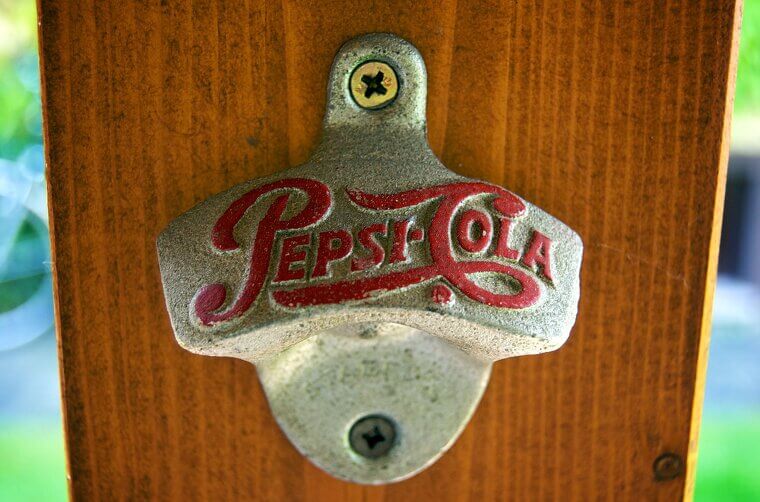
This stationary anchor was a social hub during backyard barbecues, standing as a permanent, reliable servant to every cold beverage ever served.
Glass Milk Bottles
Long before the rise of plastic jugs and wax cartons, milk arrived on the doorstep in heavy, clear glass bottles. There was a distinct ritual in hearing the clink of the milkman’s crate in the early morning. The coldness of the glass against your palm and the thick layer of cream that naturally rose to the top are sensory details modern tech-driven food processing has erased. These bottles were washed and reused indefinitely.
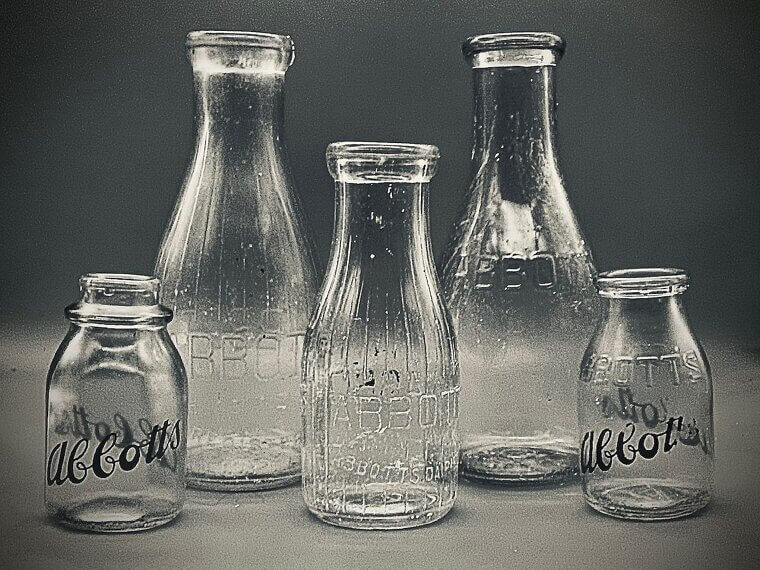
They represented a sustainable "circular economy" decades before that was a buzzword. They kept the milk colder and fresher-tasting than any modern alternative.
Rotary Dial Telephones
In an era of instant touchscreens, there was something deeply intentional about the rotary phone. You had to physically commit to every digit, watching the heavy plastic wheel spin back to its starting position with a mechanical whir. It forced a sense of patience that today’s digital communication lacks. The handsets were heavy and contoured to fit perfectly between your shoulder and ear, making long conversations feel more substantial.
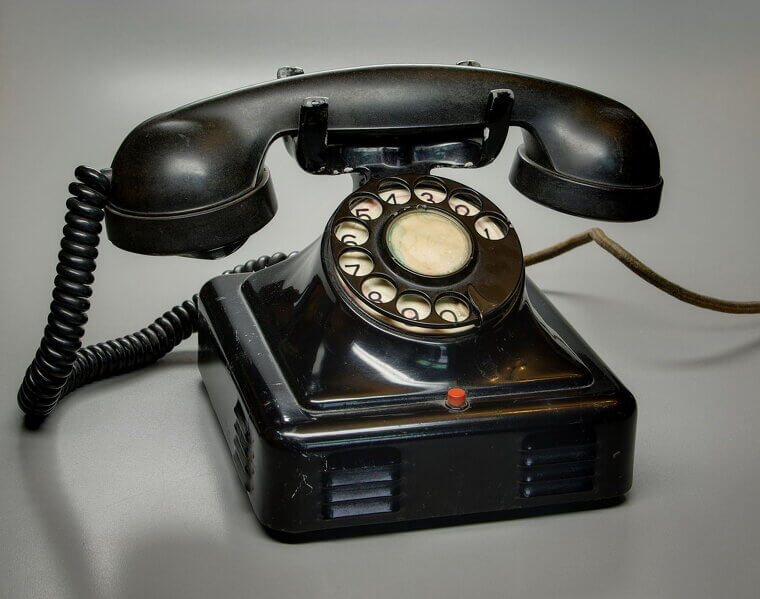
There was no "accidental" dialing here; every call was an event, and the loud, physical bell ringer could be heard from the backyard.
Manual Hand Drills
Long before the whine of cordless lithium-ion drills filled every garage, the "egg-beater" style hand drill was the DIYer’s best friend. It offered a level of precision and control that a high-speed power tool simply can't match. You could feel the bit bite into the wood through the wooden handle, adjusting your speed and pressure by the millisecond. It required no batteries, no charging cables, and no proximity to an outlet.
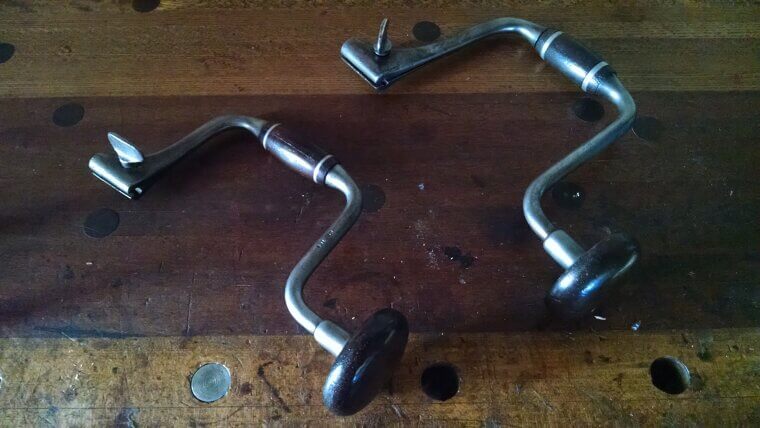
It was a silent, reliable tool that taught you the "feel" of the material, making every home repair a quiet, focused craft.
Polaroid Land Cameras
While we now take thousands of digital photos that sit forgotten in "the cloud," the Polaroid camera gave us something immediate and physical. The mechanical groan of the motor as it ejected a square of film was the sound of a memory being born. Watching the image slowly fade into view while you waved it in the air was a communal experience that brought people together.
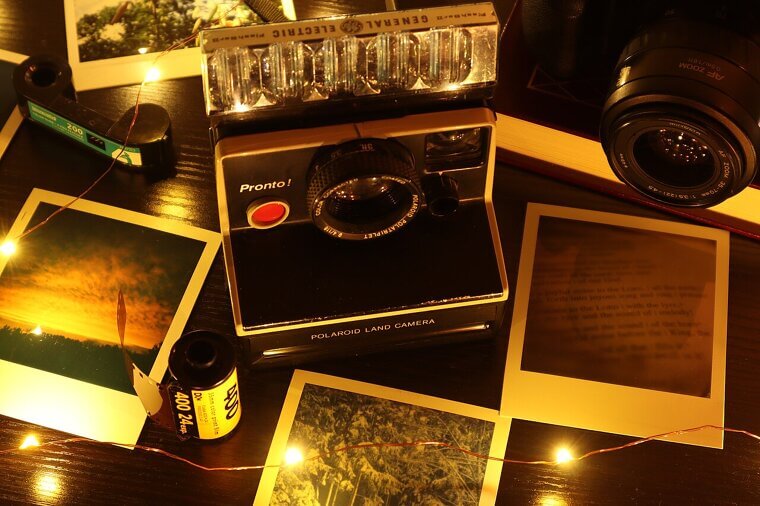
It created a one-of-a-kind physical artifact that you could pin to a corkboard or tuck into a wallet, unlike the infinite, disposable files on a modern smartphone.
Hand-Powered Egg Beaters
Before the bulky stand mixer took over the counter, the hand-cranked egg beater was the pinnacle of efficiency. The double-rotary blades moved with a smooth, gear-driven precision that felt incredibly sturdy. It allowed for much more control than a high-speed electric whisk; you could feel the batter thickening through the handle. It was lightweight, easy to clean, and required no outlet.
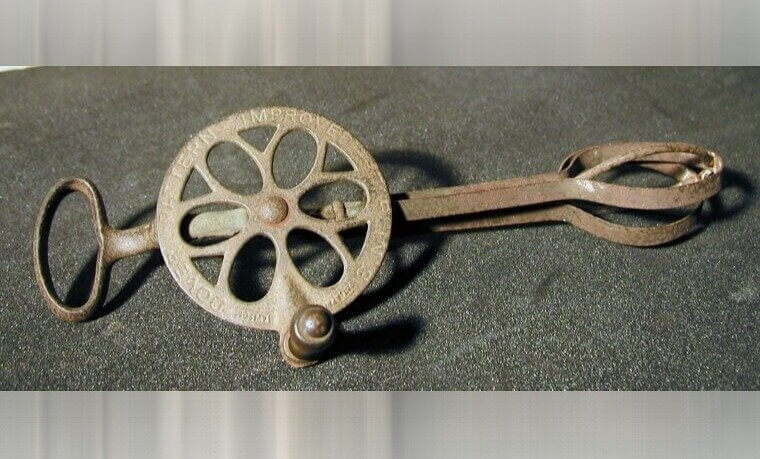
Many of these stainless steel beauties are still functional fifty years later, proving that simple mechanical engineering often outlasts anything with a circuit board or a lithium battery.
Mechanical Wind-Up Alarm Clocks
Modern phone alarms are jarring and easily snoozed, but a twin-bell mechanical clock was a force of nature. Winding the key on the back every night was a grounding bedtime ritual. The steady, rhythmic "tick-tock" was a comforting heartbeat in a quiet room. When it finally went off, the physical hammers hitting the metal bells created a sound so insistent it was impossible to ignore.
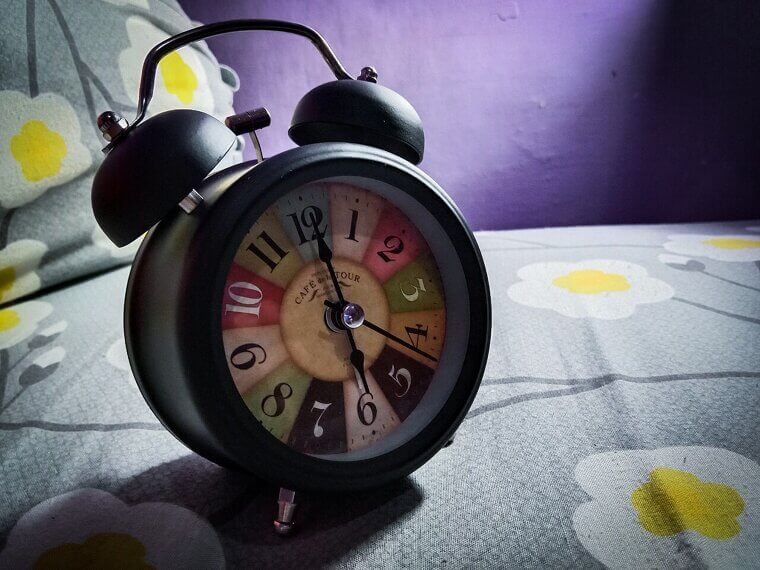
It didn't need Wi-Fi or a charging cable; it relied on a simple coiled spring and physics to ensure you were never late.
The Clothesline and Wooden Pins
While not a "gadget" in the electronic sense, the clothesline was a masterpiece of household engineering. There was a specific technique to snapping the sheets flat and securing them with spring-loaded wooden pins. The scent of "sun-dried" laundry is something a dryer sheet can only pretend to imitate. It utilized the free energy of the sun and wind, making the chore feel connected to the rhythm of the day.

Modern dryers are convenient, but they can't match the crispness or the eco-friendly satisfaction of a line full of white linens.
Manual Typewriters
The Smith-Corona or Royal typewriter wasn't just a tool; it was a percussive instrument. Each keystroke required a deliberate force that ended in a sharp "clack" against the platen, followed by the iconic "ding" of the carriage return. Unlike modern laptops with their silent, mushy keys, the typewriter provided instant physical feedback. There was no "delete" key, which meant you had to think carefully before you committed ink to paper.
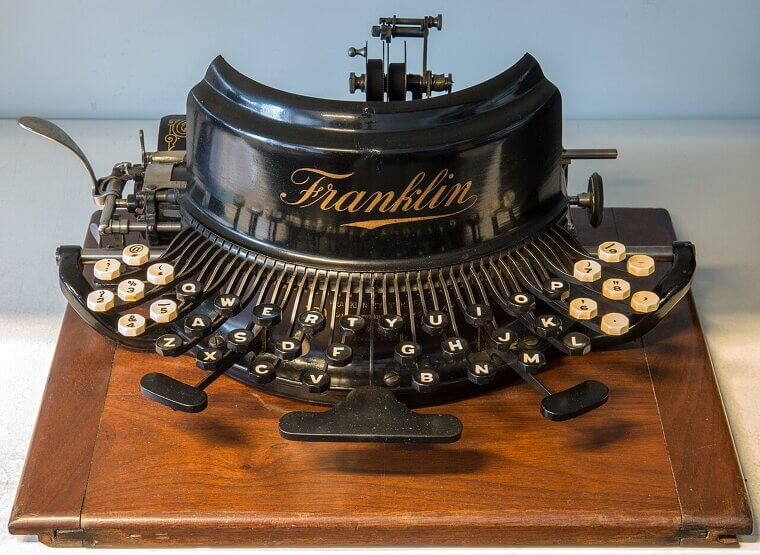
This forced a level of focus and craftsmanship that autocorrect has arguably diminished, making every finished page feel like a hard-earned trophy.
Percolator Coffee Pots
Modern pod machines are fast, but they lack the soul of a stovetop percolator. Watching the clear glass knob on top as the water began to "perk" and turn a deep amber was a morning meditation. The rhythmic glugging sound and the rich, heavy aroma that filled the entire house created an anticipation that a silent plastic machine can’t replicate. Percolated coffee was famously hot and robust.
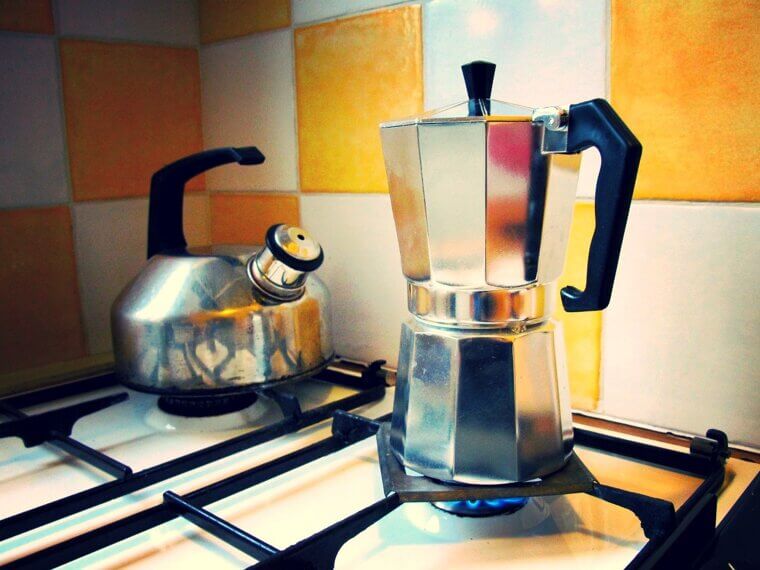
It provided a sensory experience that engaged your sight, sound, and smell long before the first sip was ever taken.
Push Reel Lawn Mowers
Before the roar of gas engines and the whine of electric motors, there was the peaceful "snip-snip" of the manual reel mower. It turned yard work into a quiet, meditative exercise. You could hear the birds chirping while you worked, and the smell of freshly cut grass wasn't masked by exhaust fumes. The blades moved only as fast as you walked, making you feel completely in tune with the task.
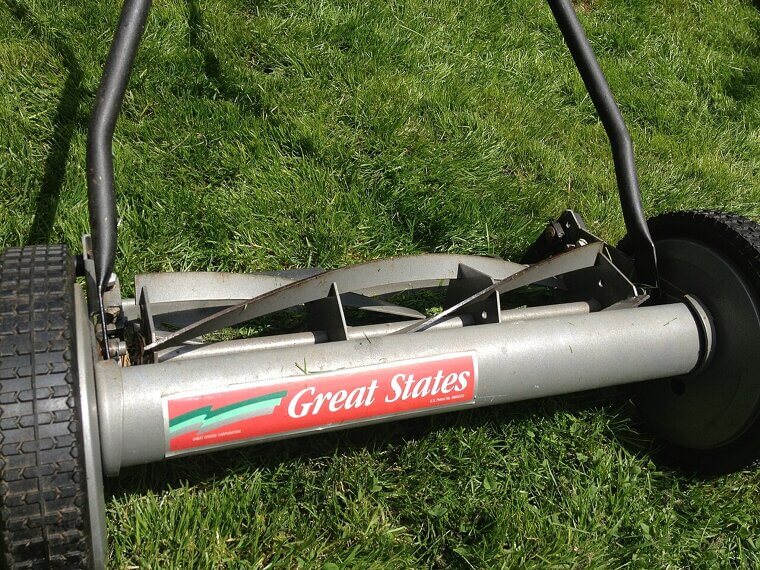
It was a simple, honest machine that required nothing but a little bit of elbow grease and an occasional sharpening.
Cast Iron Skillets
In a world of "non-stick" pans that flake and fail after two years, the cast iron skillet is an immortal legend. These pans were often passed down through generations, each one carrying the "seasoning" of a thousand family meals. They are heavy, reliable, and get better with age—the literal opposite of modern disposable cookware. You can feel the history in the iron.
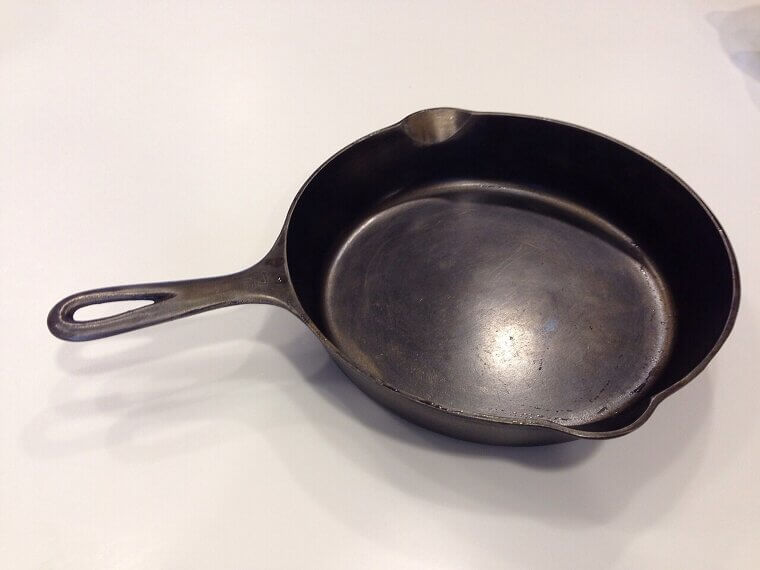
Whether frying chicken or baking cornbread, the heat retention and durability make them superior to any high-tech ceramic or Teflon-coated pan found in stores today.
Box Fans With Metal Blades
Before sleek, bladeless towers, we had the heavy, industrial-strength box fan. The blades were often made of real metal, and when you turned it on, it didn't just move air; it created a small gale. The deep, resonant hum provided the ultimate "white noise" for sleeping on hot summer nights. There was also the childhood joy of speaking directly into the back of the fan to make your voice sound like a robot.
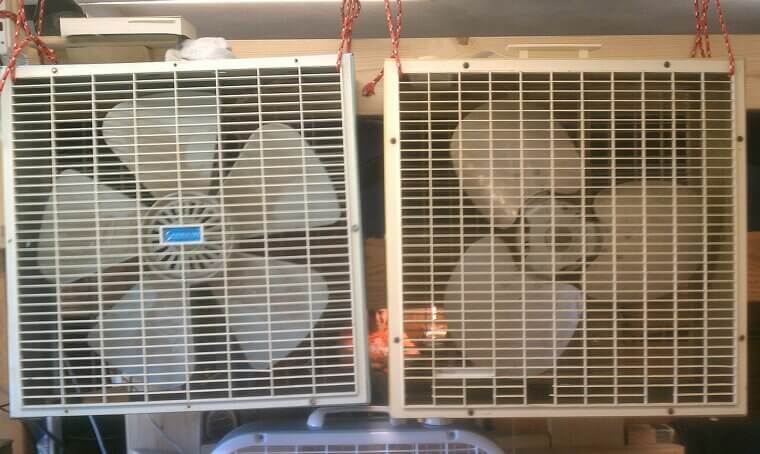
It was a sturdy, simple machine that you could fix with a screwdriver and a little oil.
Vinyl Records (LPs)
While digital streaming offers millions of songs, it lacks the ritual of the LP. Removing the glossy jacket, carefully placing the needle, and hearing that initial soft crackle created a deep connection to the music. You didn't just "skip" tracks; you listened to the entire album as the artist intended. The large-scale cover art and liner notes provided a visual and tactile experience that a tiny icon on a screen simply cannot match.
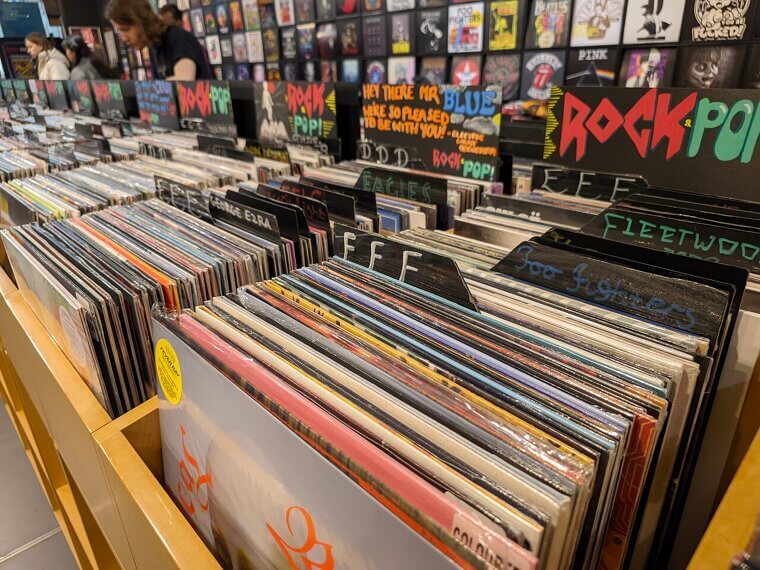
It turned listening to music into an intentional, sit-down activity rather than mere background noise for your day.
Fountain Pens
Long before the disposable ballpoint dominated our desks, the fountain pen was a personal statement. The way the nib glided across the paper, depositing a wet trail of ink, turned handwriting into an art form. You had to learn the right pressure and angle, creating a unique relationship between your hand and the page. Refilling the ink from a glass bottle felt sophisticated and deliberate.
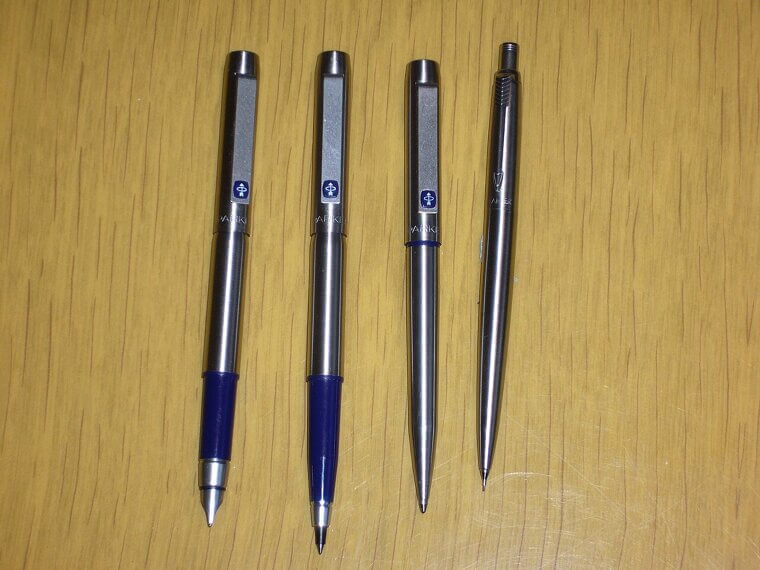
Unlike a plastic pen that you throw away, a good fountain pen was a lifetime companion that eventually molded itself to your specific writing style.
Waffle Irons (Stovetop)
Before the electric versions with non-stick coatings, waffles were made in heavy cast-iron molds held over a flame. These devices created a crispiness on the outside and a fluffiness on the inside that modern machines rarely achieve. Flipping the iron at exactly the right moment was a skill passed from parent to child. The weight of the iron and the hiss of the steam as the batter hit the hot metal made breakfast feel like an event.
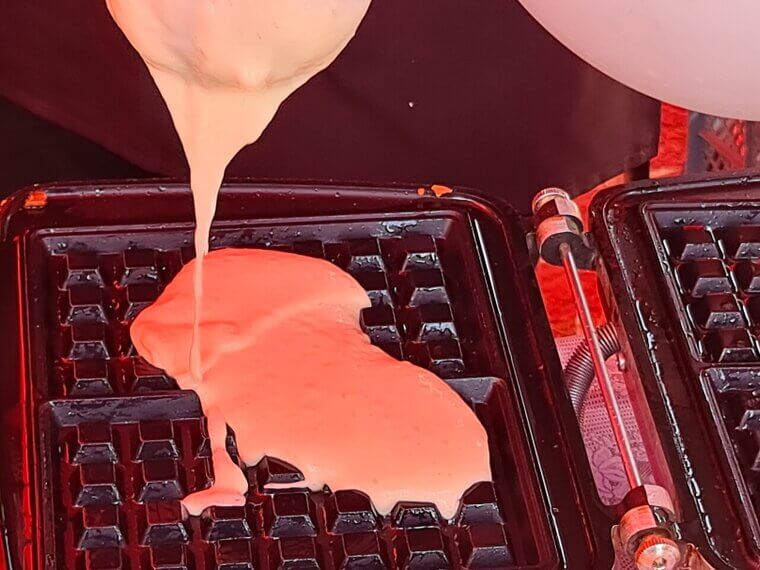
It was a tool built to last a century, not just a few years. It's no wonder these are gaining popularity again amongst the younger generation.
Metal Ice Cube Trays
Modern refrigerators with built-in ice makers are convenient, but they lack the tactile satisfaction of the old metal lever-action trays. Cracking the ice by pulling that heavy handle resulted in a series of sharp pops and the refreshing scent of frozen vapor. The cubes were often larger and clearer than the cloudy crescents produced by modern dispensers. There was a specific technique to it—running a little warm water over the bottom first.
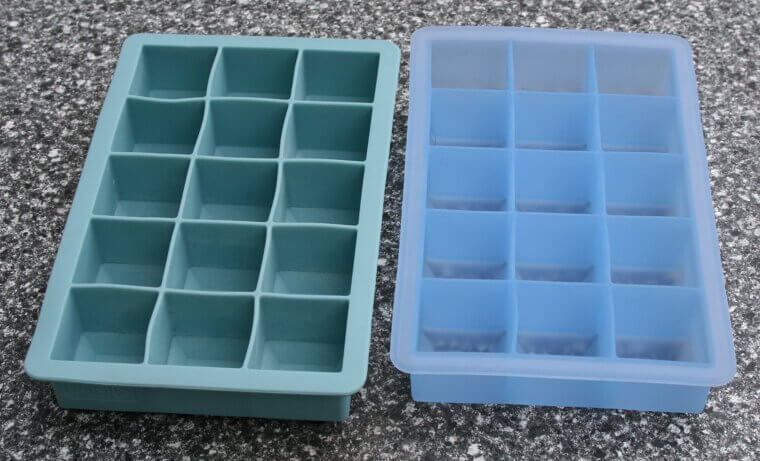
This process felt like a small, domestic victory every time the tray finally gave up its frozen contents.
Paper Catalogs (Sears/JCPenney)
While we now scroll through endless digital stores, the arrival of the "Big Book" Sears catalog was a seasonal highlight. It was a physical window into a world of possibilities, with pages you could dog-ear and photos you could circle with a pen. It smelled of high-gloss ink and paper. Families would sit together and flip through the toy or fashion sections, dreaming of what might arrive in the mail.
It provided a curated, tactile shopping experience that the overwhelming, infinite scroll of the internet simply cannot replicate.