
1954 Mercedes‑Benz 300 SL “Gullwing”
The 1954 Mercedes-Benz 300 SL "Gullwing" completely redefined post-war automotive engineering. Born from a successful racing pedigree, this masterpiece introduced the world’s very first production fuel-injected engine, allowing it to claim the title of the fastest production car of its era. Beyond its sheer mechanical genius, it forever changed automotive styling with its distinctive, upward-opening doors. These doors weren't just a styling gimmick; they were a clever engineering necessity dictated by the car's high, lightweight spaceframe chassis.
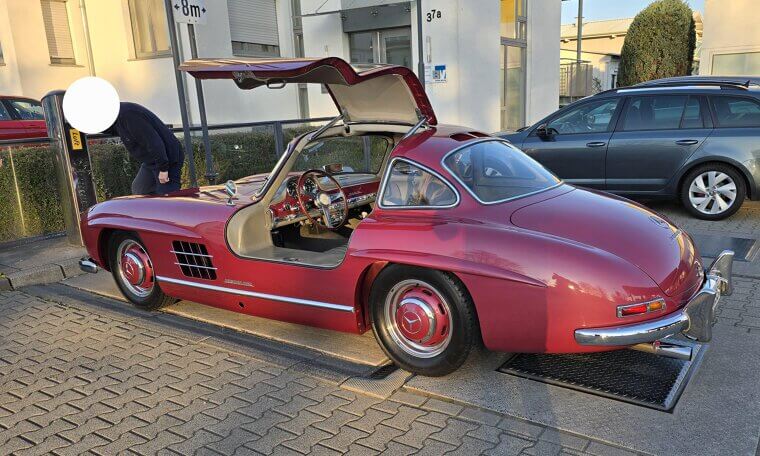
This blend of incredible performance and striking aesthetics permanently elevated the sports car segment and created an enduring symbol of luxury.
1957 Mercedes‑Benz 300 SL Roadster
By 1957, Mercedes-Benz recognized that drivers wanted the incredible performance of the Gullwing but with the open-air thrill of a convertible. Enter the 300 SL Roadster. To make conventional doors possible, engineers redesigned the spaceframe chassis to lower the sills, vastly improving everyday comfort and accessibility. It retained the cutting-edge fuel-injected engine but added an improved rear suspension setup that tamed the coupe's unpredictable handling.
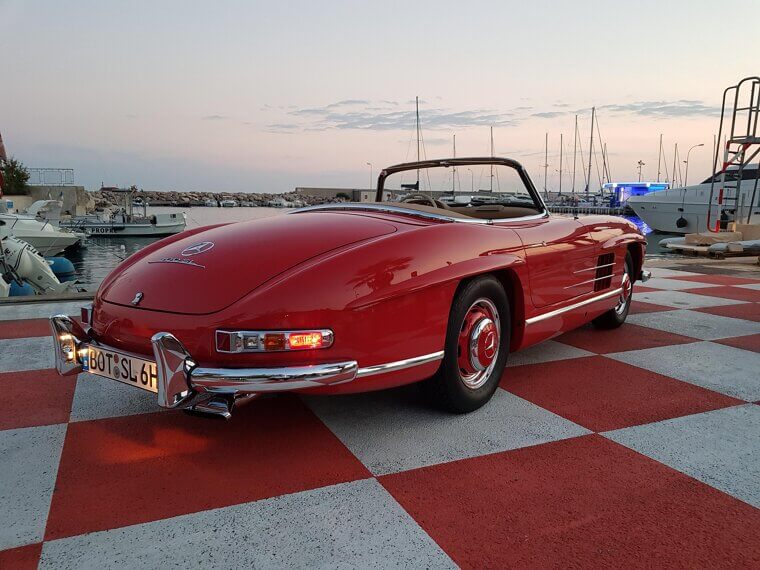
This legendary roadster seamlessly merged high-speed capabilities with top-tier grand touring luxury, establishing a prestigious blueprint for high-end open-top luxury sports cars that major manufacturers still emulate today.
1956 BMW 507
The 1956 BMW 507 is widely celebrated as one of the most stunning automobiles ever created, even if it nearly bankrupted the company. Created primarily to capture the lucrative American luxury market, this sleek roadster featured an elegant, hand-formed aluminum body wrapped around BMW’s very first aluminum V8 engine. It brought an unprecedented level of sophisticated styling and sporting prestige to a recovering post-war Germany.
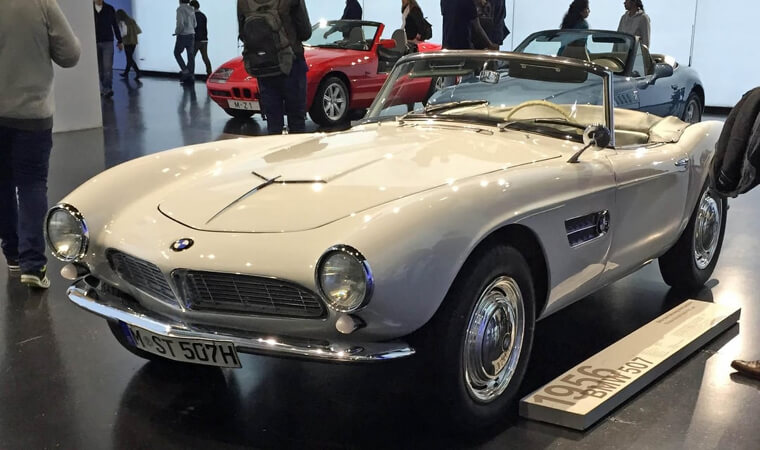
Though its incredibly high production costs meant only 252 units were ever built, its timeless design language and effortless exclusivity deeply influenced BMW’s future roadster heritage for many decades to come.
1956 Alfa Romeo Giulietta Spider Veloce
The 1956 Alfa Romeo Giulietta Spider Veloce brought pure, unadulterated Italian racing passion to everyday motorists. Masterfully styled by Pininfarina, this beautiful little car became the definitive archetype of the affordable, lightweight European sports car. What truly set the "Veloce" edition apart was its high-revving, twin-cam aluminum engine fed by dual Weber carburetors, delivering spirited performance that punched far above its weight class.
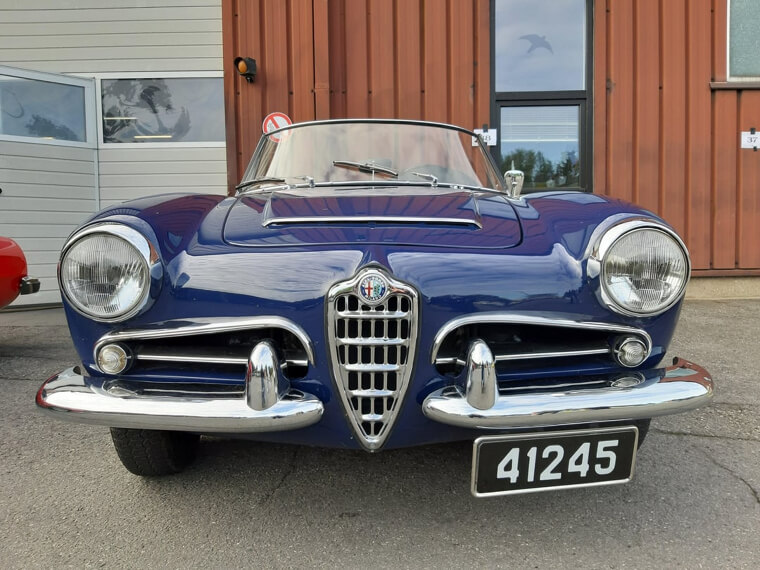
It proved to the automotive world that a sports car didn't need a massive engine to be incredibly thrilling, establishing a template for nimble, joyful driving that defined a generation.
1955 Citroën DS
When the 1955 Citroën DS debuted in Paris, it looked and felt like a spaceship dropped into the mid-20th century. This revolutionary vehicle fundamentally altered car culture by prioritizing avant-garde design and unmatched passenger comfort above all else. It introduced a radical, aerodynamic body alongside a futuristic hydropneumatic self-leveling suspension system. This clever setup gave the car an incredibly smooth, floating ride quality that regular steel springs simply couldn't match.
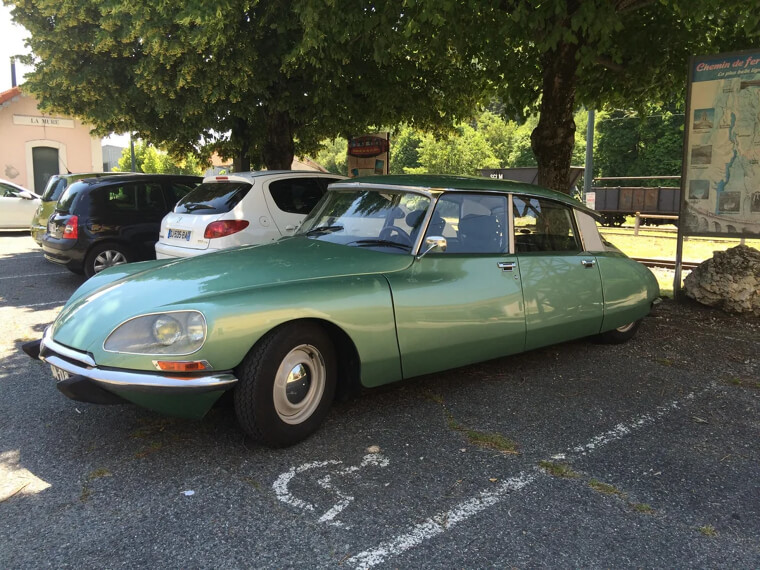
Complete with power steering and innovative directional headlights, the DS pushed the absolute boundaries of technological innovation and permanently redefined modern automotive comfort.
1954 Jaguar D‑Type
The 1954 Jaguar D-Type is a true motorsport legend that forever changed the way engineers approached automotive aerodynamics. Built specifically to dominate the grueling 24 Hours of Le Mans, this purpose-built racer pioneered the use of aviation-style monocoque construction, utilizing a revolutionary lightweight aluminum tub. Its slippery shape, highlighted by that iconic rear stabilizing fin, allowed it to slice through the air at jaw-dropping speeds on the famous Mulsanne Straight.

By successfully adapting aeronautical engineering principles to the racetrack, the D-Type set historic benchmarks for efficiency and speed, securing its place in motorsport history.
1957 Ferrari 250 GT California Spider LWB
The 1957 Ferrari 250 GT California Spider Long Wheelbase represents the absolute pinnacle of glamorous, open-air motoring. Conceived by American distributors who envisioned a dual-purpose sports car for the golden, sun-drenched coast of California, this vehicle beautifully merged track-ready performance with breathtaking elegance. Beneath its gorgeous, hand-sculpted body rested a roaring, race-bred V12 engine that delivered an unforgettable auditory experience. It became the ultimate status symbol for Hollywood elites and wealthy enthusiasts alike.
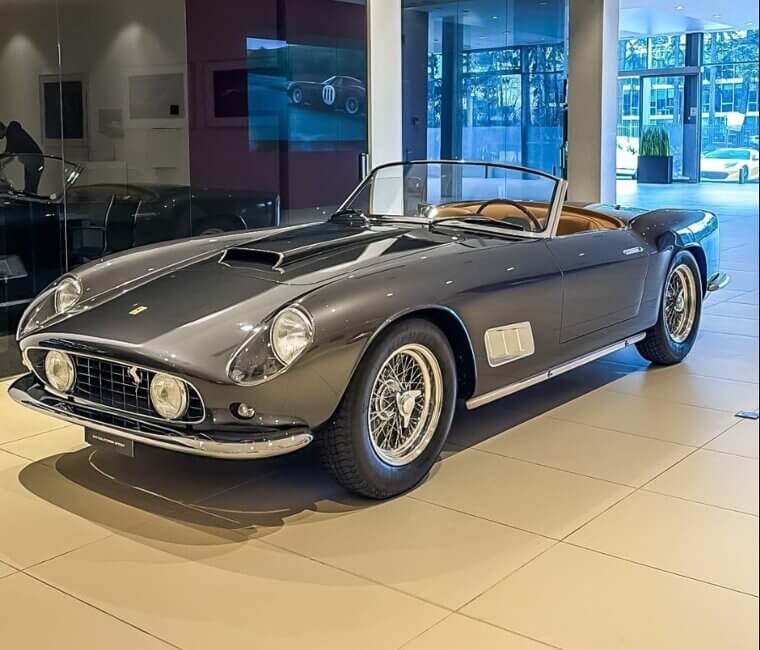
The model forever cemented Ferrari’s reputation for building vehicles that offered equal measures of high-fashion luxury and raw, visceral speed.
1952 Mercedes‑Benz 300 S
The 1952 Mercedes-Benz 300 S served as a proud, definitive statement that Germany had returned to the forefront of global luxury automotive manufacturing. Tailor-made for royalty, heads of state, and top celebrities, this ultra-exclusive vehicle was completely hand-built to the highest possible standards of craftsmanship. It paired traditional, imposing pre-war styling cues with a highly advanced, independent suspension system and a potent six-cylinder engine derived from racing development.
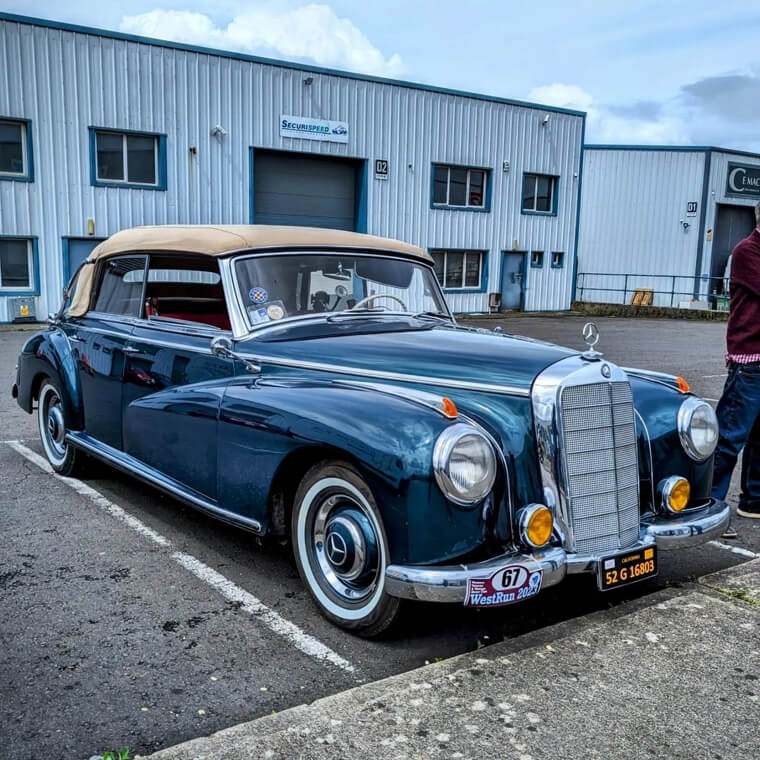
It brought an unmatched level of quiet dignity, effortless power, and bespoke opulence to the market, establishing a grand tradition of elite flagship luxury.
1958 Ferrari 250 GT Cabriolet Pinin Farina Series II
The 1958 Ferrari 250 GT Cabriolet Pinin Farina Series II brought an air of refined, understated maturity to the often aggressive world of high-performance sports cars. While other Ferraris of the era were thinly veiled race cars for the street, this elegant cabriolet was intentionally designed for comfortable, cross-continental cruising. It featured a plush, well-appointed interior and a smoother, quieter version of the iconic Colombo V12 engine. This shift in focus successfully expanded Ferrari’s appeal beyond hardcore racing enthusiasts.
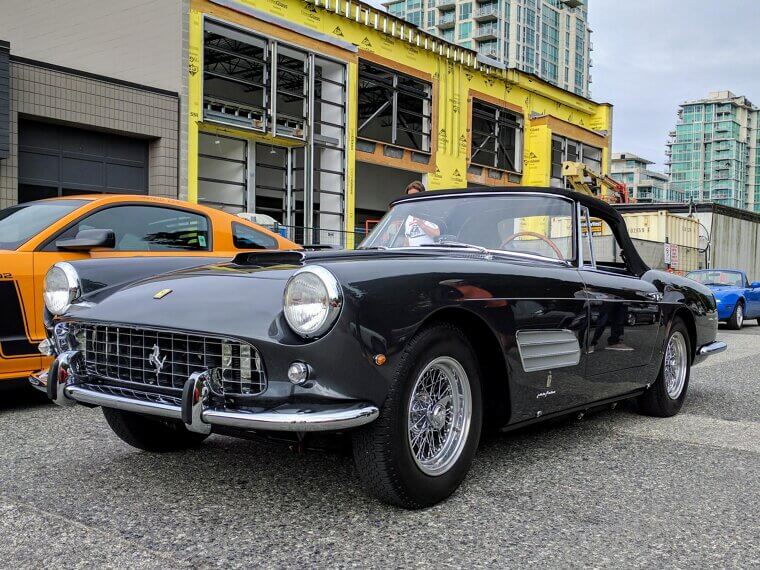
It attracted a sophisticated new demographic of buyers who demanded top-tier mechanical prestige wrapped in elegant evening wear.
1951 Mercedes‑Benz 300 “Adenauer”
The 1951 Mercedes-Benz 300 earned its famous "Adenauer" nickname because it was the preferred vehicle of Konrad Adenauer, the first Chancellor of West Germany. This massive, elegant flagship vehicle was explicitly engineered to compete with the finest luxury cars in the world. It introduced impressive technological advancements for the time, including a dashboard-operated rear load-leveling suspension system. The car effortlessly combined old-world craftsmanship with modern mechanical reliability.
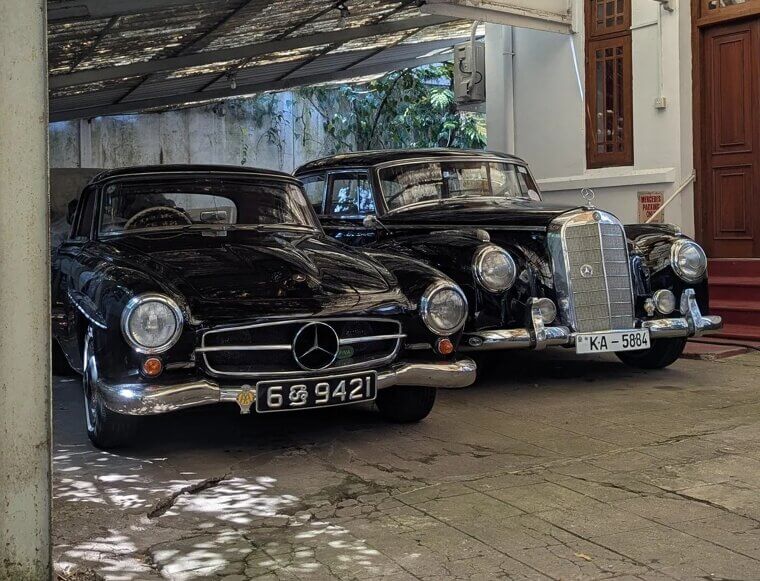
This stately vehicle played a massive cultural role in restoring international prestige to the Mercedes-Benz brand, serving as a rolling symbol of global diplomatic power.
1955 Mercedes‑Benz 190 SL
The 1955 Mercedes-Benz 190 SL brought the breathtaking glamour of the exclusive 300 SL Gullwing to a much broader audience. Positioned as a more affordable, lifestyle-oriented companion to its race-bred sibling, this beautiful roadster prioritized elegant open-air cruising over raw track performance. It featured a reliable four-cylinder engine and a comfortable, beautifully finished interior that made it perfect for daily driving. The 190 SL successfully created a highly profitable market segment for accessible luxury sports cars.
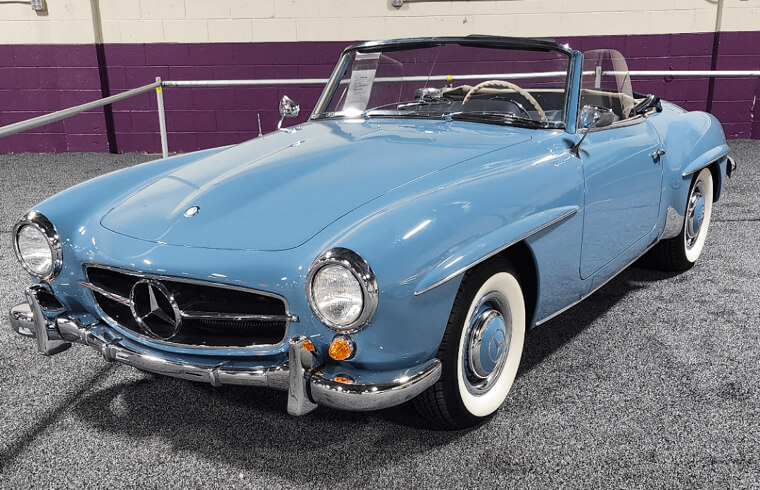
It proved that everyday drivers eagerly desired high-end German styling and build quality without the finicky nature of a true supercar.
1962 Ferrari 250 GT Lusso
The 1962 Ferrari 250 GT Lusso is widely considered by enthusiasts to be one of the most harmonious and beautiful automotive designs ever penned by Pininfarina. Created to bridge the gap between pure track monsters and heavy luxury tourers, the "Lusso" (meaning Luxury) combined a race-ready chassis with a wonderfully spacious, leather-lined cabin. Its sweeping fastback profile, slim roof pillars, and expansive glass offered incredible visibility and a timeless silhouette.
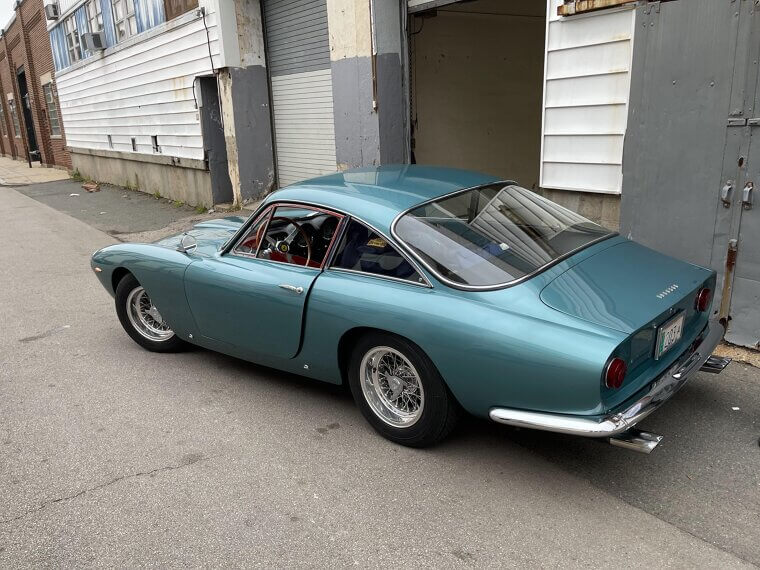
It brought a brand-new level of sophisticated, daily-usable elegance to the supercar world, proving that extreme V12 performance could coexist beautifully with premium passenger comfort.
1957 Maserati 3500 GT
The 1957 Maserati 3500 GT was a critical turning point that saved the legendary Italian brand by shifting its focus from costly racing programs to premium production road cars. This grand tourer featured a robust inline-six engine derived directly from Maserati’s successful race cars, wrapped inside a stunning aluminum body built using the famous Superleggera construction method. It offered wealthy buyers the perfect combination of exotic Italian speed and reliable, long-distance luxury.
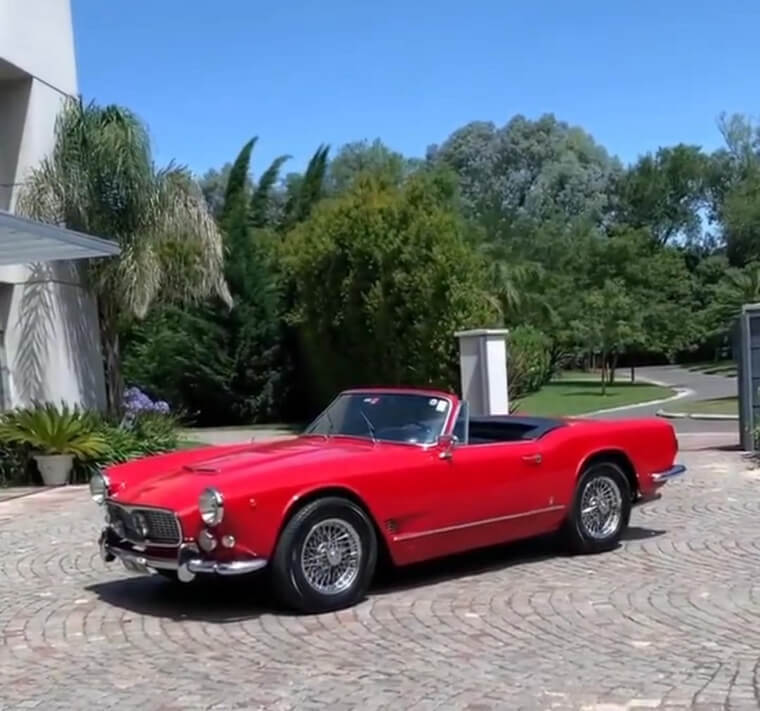
This incredibly successful model established Maserati as a premier manufacturer of high-style grand touring cars, setting a brilliant standard for the company’s future.
1959 Maserati 5000 GT
The 1959 Maserati 5000 GT was an incredibly exclusive, ultra-high-performance machine built solely for the wealthiest elite, including the Shah of Iran. This spectacular car was created by stuffing a massive, race-bred V8 engine from Maserati’s 450S sports racer into a luxurious, bespoke grand touring chassis. Each of the mere 34 units produced received completely custom, hand-built bodywork from top Italian coachbuilders. It brought an unprecedented level of raw, uncompromised supercar power to the ultra-luxury segment.
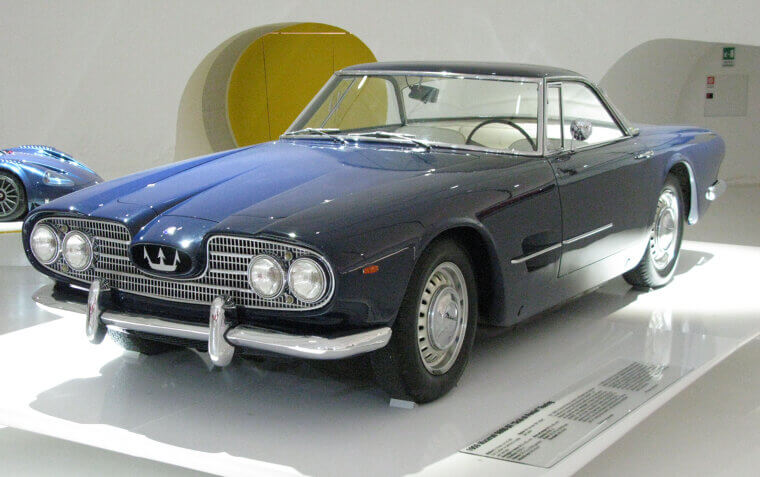
The 1959 Maserati 5000 GT created a brand-new class of highly exclusive, tailored vehicles designed to outperform almost anything else on the open road.
1957 Cadillac Eldorado Biarritz
The 1957 Cadillac Eldorado Biarritz represents the absolute peak of post-war American automotive opulence and optimism. This massive, dramatic convertible captured the imagination of the public with its soaring rear tail fins, brilliant shark-fin body moldings, and an abundance of shimmering chrome. It was packed to the brim with cutting-edge comfort features, including a power-operated top and a sophisticated air suspension system. The Biarritz brought a bold, unapologetic sense of jet-age styling and effortless boulevard cruising power to car culture.
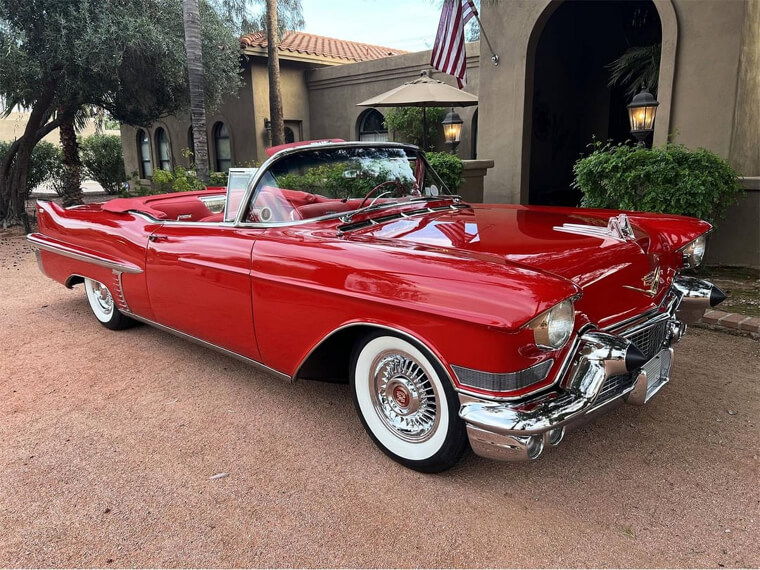
The legendary car firmly established Cadillac as the undeniable "Standard of the World" during a golden era of design.
1955 Chevrolet Corvette C1
While the Corvette debuted in 1953, the 1955 Chevrolet Corvette C1 is the exact model that saved America’s sports car from an early grave. This was the pivotal year Chevrolet finally stuffed a potent, brand-new small-block V8 engine under the car's innovative fiberglass hood. This brilliant mechanical upgrade transformed the stylish but sluggish roadster into a genuine high-performance machine. The 1955 Chevrolet Corvette successfully combined lightweight composite body panels with affordable, roaring American V8 power.
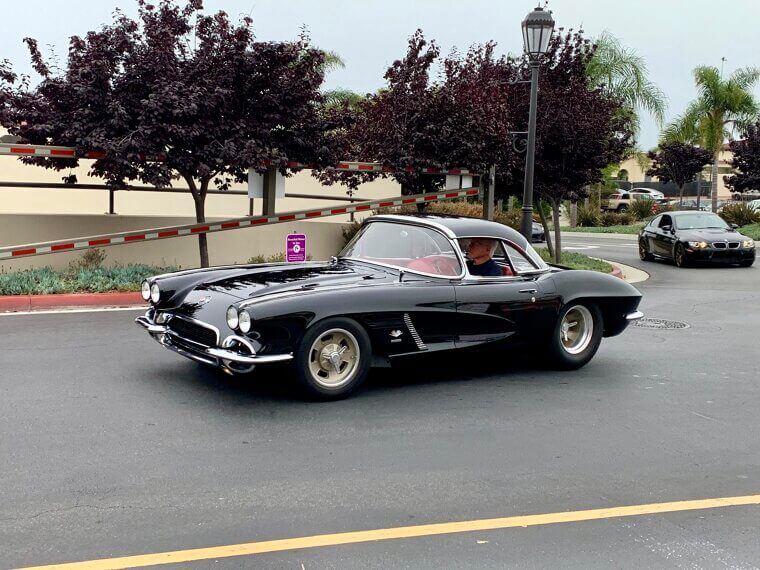
This iconic vehicle laid the crucial foundation for a legendary automotive dynasty that would challenge Europe's best sports cars for generations.
1956 Lincoln Continental Mark II
The 1956 Lincoln Continental Mark II was built by Ford Motor Company to be the most luxurious, prestigious, and high-quality automobile in the world. Eschewing the excessive chrome and massive fins popular at the time, the Mark II showcased a refreshing, understated design language known as "Modern Formal." Each vehicle was painstakingly hand-assembled and subjected to rigorous quality control inspections, resulting in a price tag that rivaled Rolls-Royce.
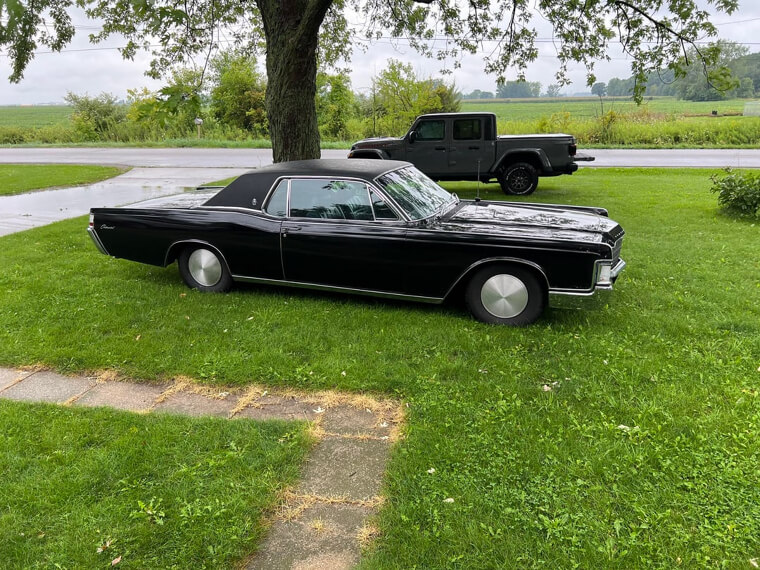
It brought a profound sense of restrained, aristocratic elegance back to American luxury, proving that true automotive prestige came from impeccable build quality and timeless, clean design.
1961 Jaguar E‑Type Series I
When the 1961 Jaguar E-Type Series I was unveiled, it reportedly caused an absolute sensation, with Enzo Ferrari himself allegedly calling it the most beautiful car ever made. Beyond its stunning, aerodynamic shape and covered headlights, the E-Type brought supercar performance to the public at a mere fraction of the cost of a contemporary Ferrari or Aston Martin. This 1961 Jaguar featured a potent twin-cam engine, independent rear suspension, and four-wheel disc brakes.
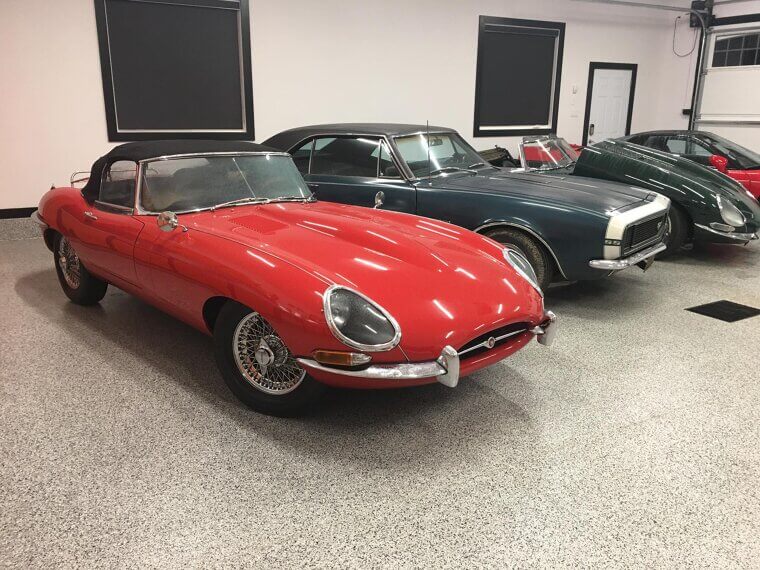
It was an absolute technological tour de force that perfectly captured the vibrant, rebellious spirit of the Swinging Sixties.
1962 Shelby Cobra 427
The 1962 Shelby Cobra 427 is a wild, fire-breathing masterpiece born from a brilliant marriage of British chassis design and American muscle. Legendary racer Carroll Shelby stuffed a massive, high-performance Ford V8 engine into a lightweight, aluminum-bodied AC Ace roadster. The result was an incredibly raw, lightweight sports car with an absolutely terrifying power-to-weight ratio. It shook up international sports car culture by utterly dominating racetracks around the world.
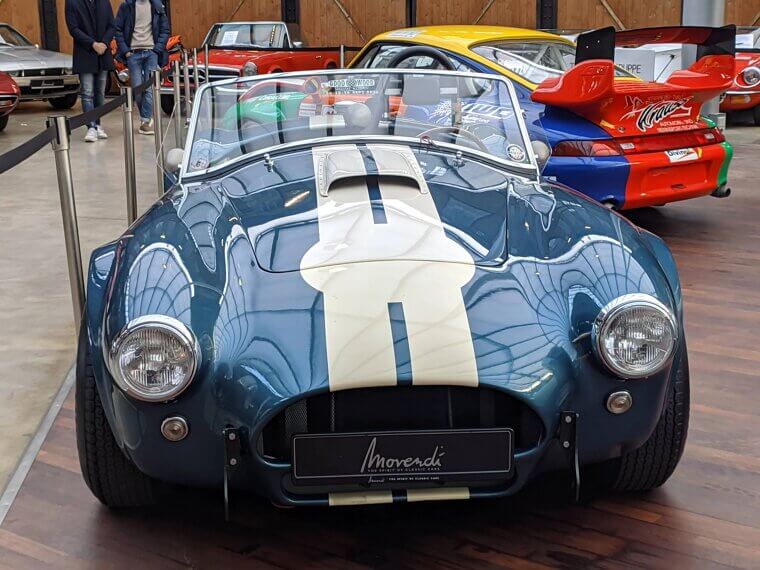
This Shelby Cobra proved that a simple, brutally powerful American V8 could easily humiliate the most sophisticated and expensive exotic racing machinery Europe had to offer.
1962 Ferrari 250 GTO
The 1962 Ferrari 250 GTO is widely regarded by collectors as the ultimate automotive holy grail. Engineered to dominate GT racing, this iconic machine represents the brilliant peak of the legendary 250 series. Its highly aerodynamic, wind-tunnel-tested aluminum body was wrapped around a screaming, race-proven V12 engine. Only 36 examples were ever built, and they proved to be incredibly versatile, winning on the track and being driven home afterward.
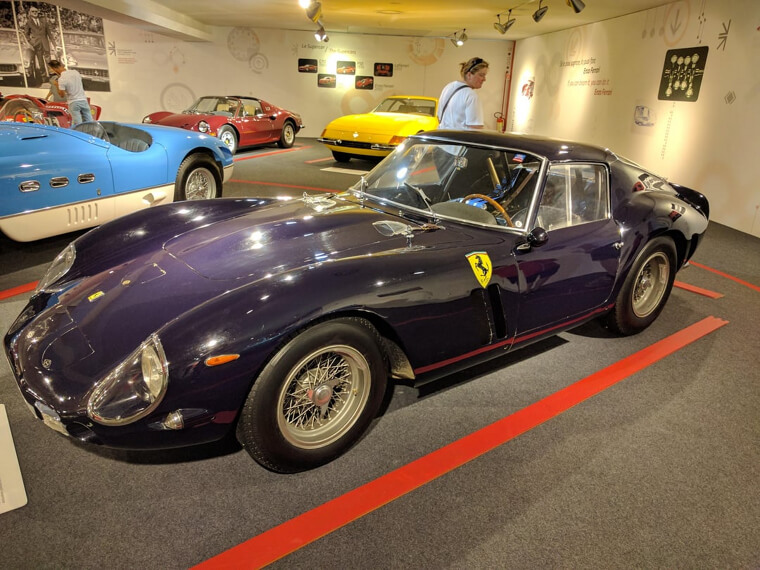
The GTO brought an unmatched level of racing dominance and gorgeous, functional styling to car culture, cementing its legacy as one of the most valuable automobiles ever created.
1950 Porsche 356
The 1950 Porsche 356 is the historic seed from which the entire Porsche legacy grew. As the company’s very first production automobile, this lightweight, rear-engined sports car prioritized efficiency, aerodynamic shape, and superb handling over brute horsepower. Utilizing a modified air-cooled engine configuration, its sleek, hand-formed aluminum body glided effortlessly through the air. It brought a completely fresh philosophy to the sports car world.
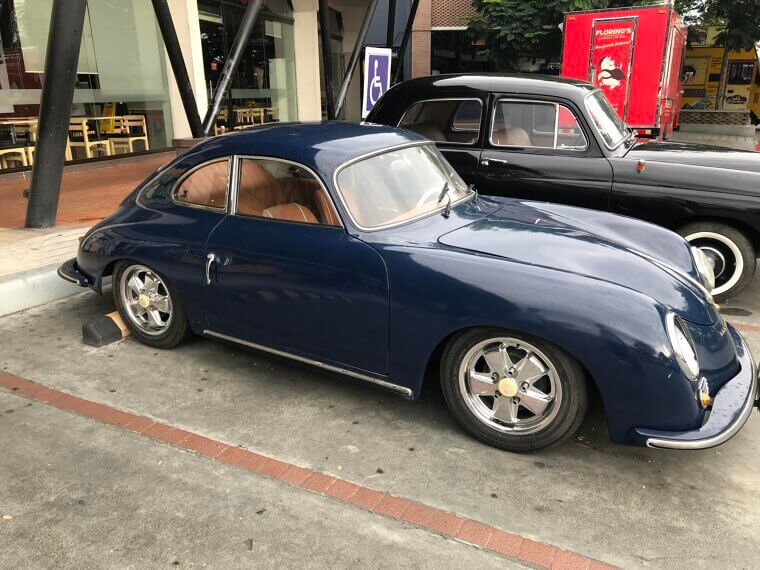
It proved that a small, highly efficient car with excellent balance and build quality could provide a far more engaging and joyful driving experience than traditional, heavy-nosed roadsters.
1964 Porsche 911 Classic
The 1964 Porsche 911 Classic introduced a timeless, iconic silhouette that has remained instantly recognizable for over six decades. Developed as a larger, more powerful, and more comfortable successor to the 356, it featured an innovative, air-cooled flat-six engine mounted way out behind the rear axle. This unique mechanical layout gave the car distinct, highly engaging handling characteristics that rewarded skilled drivers. The 1964 Porsche was a legendary combination of winning features.
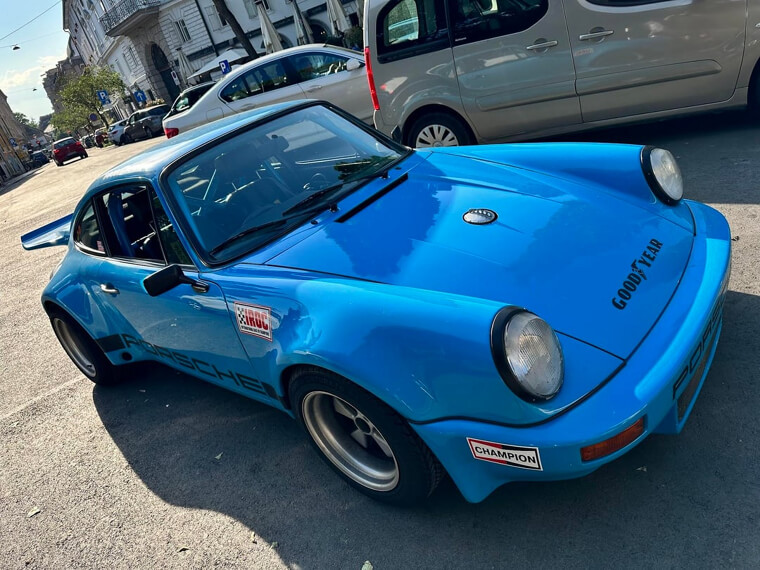
By masterfully blending everyday practicality, a usable 2+2 seating layout, and genuine sports car performance, the 911 created an entirely new benchmark for usability that altered the sports car market forever.
1963 Mercedes‑Benz Pagoda SL
The 1963 Mercedes-Benz Pagoda SL earned its famous nickname from its innovative, concave removable hardtop roof design, which resembled traditional Asian pagoda architecture. This brilliant roof structure wasn't just for style; it utilized slim pillars and large glass panels to offer unparalleled visibility and incredible cabin safety. Designed as a sophisticated grand tourer, it introduced advanced safety crumple zones to the sports car segment.
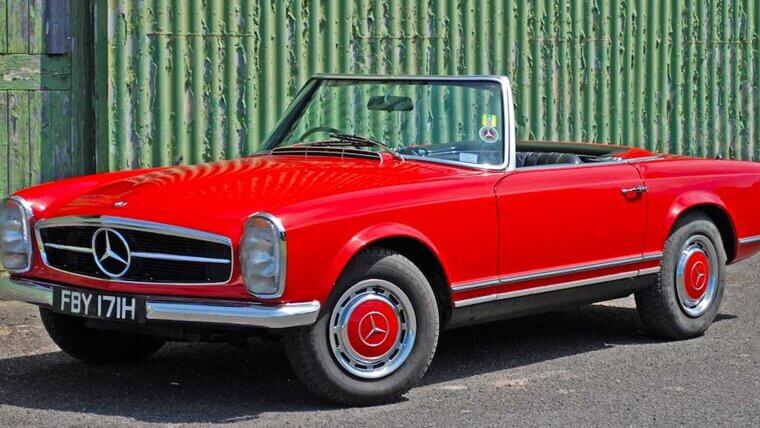
The Pagoda brought an elegant, intellectual sense of style and cutting-edge passenger protection to car culture, making it an incredibly popular choice for trendy chic elites worldwide.
1964 Ford Mustang
Since it first hit the roads in 1964, the Mustang has always been around in one shape or another, but it’s hard to beat that muscular classic that not only defined the pony car category, but American motoring in general. The 1964 Ford Mustang was an absolute cultural phenomenon that completely redefined the American automotive landscape overnight. By combining a sporty, long-hood, short-deck design with an affordable price tag and an extensive options list, it allowed buyers to customize a car to fit their exact personality.
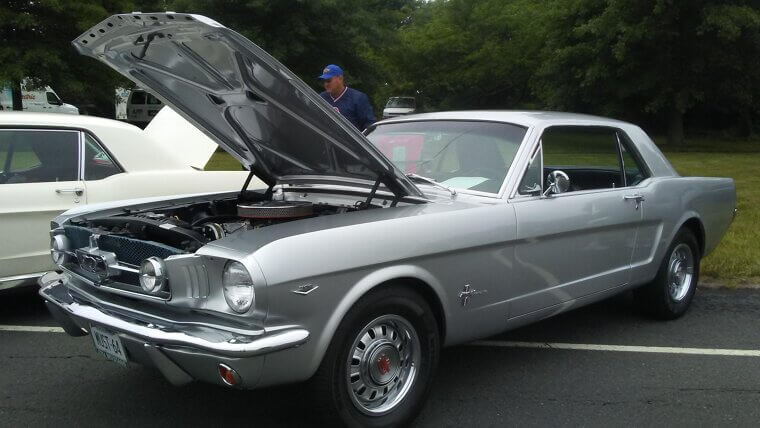
This brilliant marketing strategy single-handedly created the exciting "Pony Car" market segment. It brought a youthful, energetic sense of freedom and style to a massive generation of younger drivers, selling hundreds of thousands of units in its first year and changing popular culture forever.
1964 Ford GT40
The GT40 is sometimes overlooked when it comes to Ford retrospectives, but it was essentially a race car tuned down ever so slightly so as to be road-legal. It sat low to the ground and had an aerodynamic design that kept it performing at its best, always. The 1964 Ford GT40 was born out of a fierce, legendary corporate grudge after Henry Ford II's attempt to buy Ferrari fell through. Determined to crush the Italian team on the world stage, Ford built this incredibly low-slung, aerodynamic racing weapon.
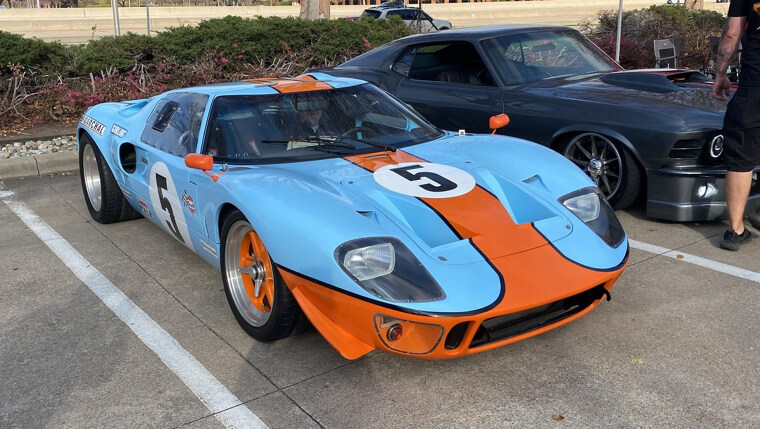
Powered by a brutal, reliable American V8 engine, the GT40 famously went on to sweep the podium at the 1966 24 Hours of Le Mans, breaking Ferrari's historic winning streak. It brought an uncompromising, high-tech approach to endurance racing, proving to the world that American engineering could beat Europe’s finest at their own game.
1966 Lamborghini Miura
These days, many Lamborghini models and other supercars tend to be homogeneous in terms of appearance. The 1966 Lamborghini Miura is widely celebrated as the world's very first true supercar. Before the Miura, high-performance sports cars kept their engines up front, but Lamborghini changed everything by mounting a magnificent V12 engine sideways directly behind the driver. This radical layout was inspired by advanced race car design and was wrapped in a jaw-droppingly gorgeous, low-slung body penned by Marcello Gandini.
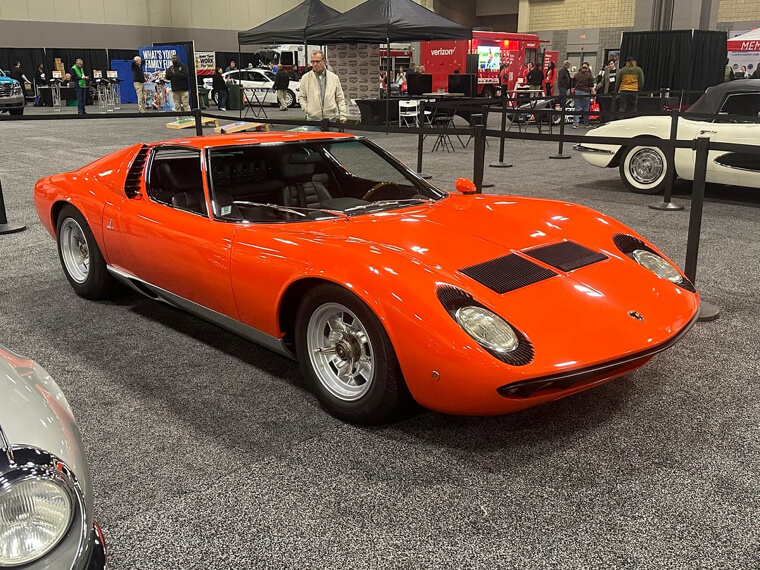
It completely shocked the automotive world, shifting the entire industry's design paradigm and establishing the mid-engine layout as the essential blueprint for exotic performance cars for decades to come.
1956 Ferrari 250 GT Berlinetta SWB
The ‘56 Berlinetta was the first entry in Ferrari’s long-running, universally adored 250 series. The 1956 Ferrari 250 GT Berlinetta Short Wheelbase (SWB) is legendary for offering the absolute perfect balance between track dominance and road usability. By shortening the chassis wheelbase, engineers significantly improved the car's cornering agility and handling sharpness. It was also notable for being one of the first Ferraris to feature highly effective disc brakes.
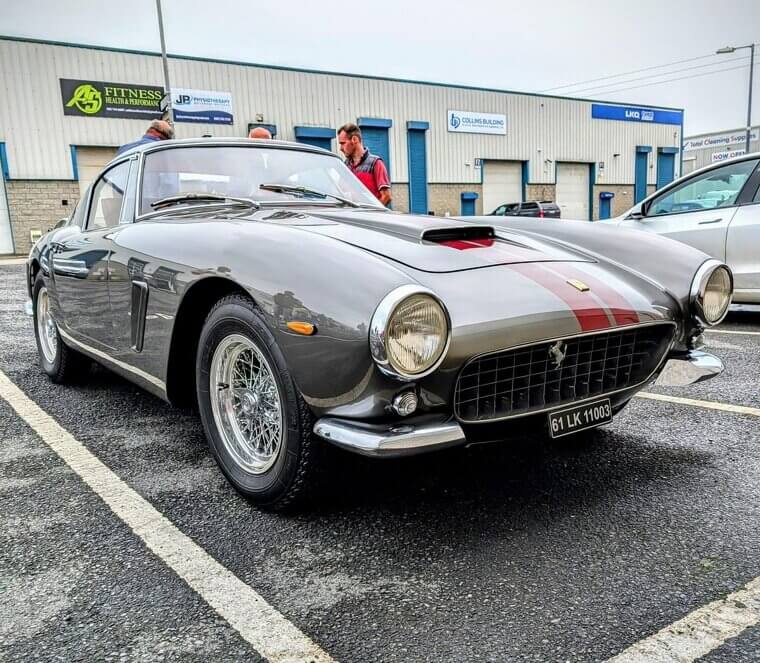
This brilliant machine allowed gentleman racers to literally drive their car to a race track, utterly dominate the competition, and then comfortably drive back home, representing the glorious peak of Ferrari’s dual-purpose sports car philosophy.
1963 Ferrari 330 LMB
A racing/performance variant of the Berlinetta, the 330 LMB maintained a nearly identical appearance (and is therefore just as beloved as the previous vehicle). The 1963 Ferrari 330 LMB (Le Mans Berlinetta) is an incredibly rare, purpose-built racing machine that represents the final evolution of front-engined Ferraris at Le Mans. Only four examples of this absolute beast were ever constructed. It featured a massive 4.0-liter V12 engine stuffed into a sleek, aerodynamic chassis that shared design elements with the legendary 250 GTO.
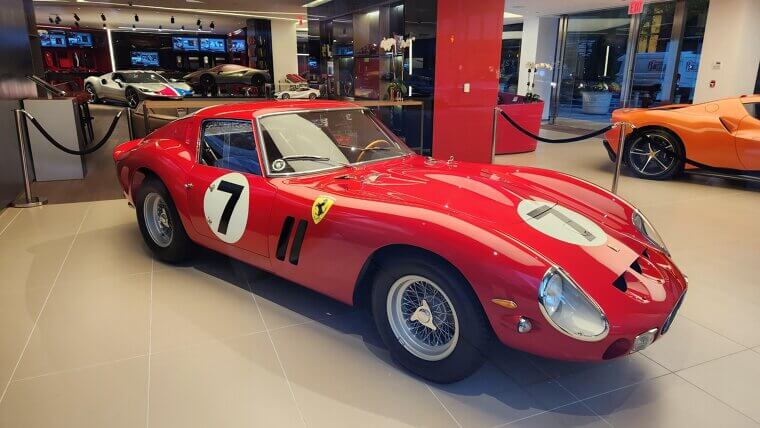
It brought extreme, high-displacement performance to the track, famously becoming the first front-engined car to top 180 mph on the Mulsanne Straight, marking the spectacular end of an iconic motorsport design era.
1963 Aston Martin DB5
The ‘63 Aston Martin DB5 is still the definitive Bond vehicle (in our humble opinion). The 1963 Aston Martin DB5 is arguably the most famous and culturally significant grand tourer in human history. While it featured a superb inline-six engine and elegant British styling, its inclusion as James Bond’s gadget-laden vehicle in the 1964 film Goldfinger skyrocketed it to global super-stardom. It brought a brilliant new concept to car culture: the automobile as the ultimate expression of sophisticated cinematic cool.
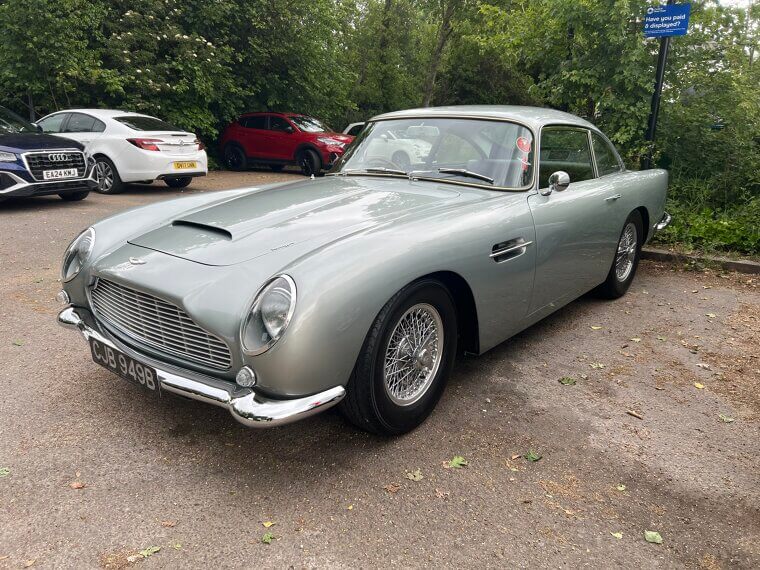
With its perfect proportions, plush leather interior, and effortless British charm, it permanently established Aston Martin as the definitive global brand for the ultimate gentleman’s high-performance sports car.
1957 Jaguar XK150
Building upon the earlier XK120/140 models, the XK150 maintained a similar appearance, but featured sharper lines and refined bonnet scoops (as well as an upswept tail). The 1957 Jaguar XK150 was the brilliant, grand finale of Jaguar’s wildly successful XK sports car series. While it retained the legendary twin-cam inline-six engine that made its predecessors famous, the XK150 introduced a much wider, more modern body with a single-piece wraparound windshield that drastically improved interior comfort.
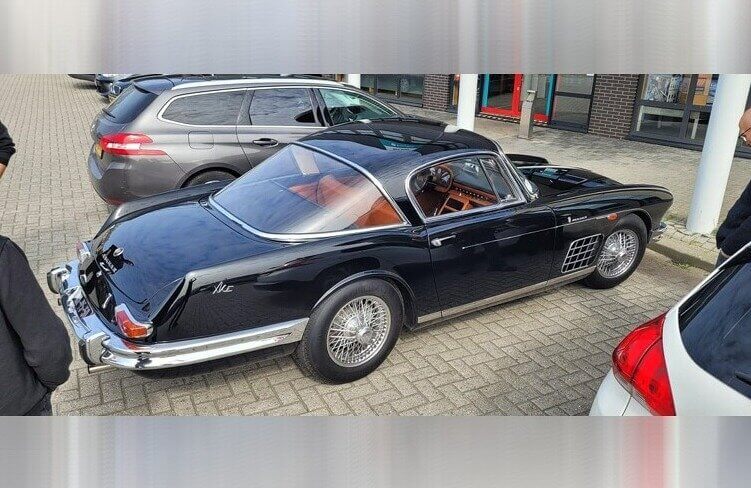
Crucially, it was one of the very first production cars to offer innovative four-wheel disc brakes as standard equipment. This mechanical breakthrough brought an unprecedented level of stopping power and safety to sports car culture, bridging old-school British style with modern performance.
1966 Fiat Dino Spider
The ‘66 Dino Spider is our sleeper pick for this list since Fiat hardly commands the same respect as some of the other brands here. The 1966 Fiat Dino Spider was the result of a fascinating, high-stakes collaboration between two Italian automotive giants. Ferrari needed to build a specific number of production engines to qualify for Formula 2 racing, so they partnered with Fiat to build this beautiful, Pininfarina-styled sports car. Underneath its gorgeous, curvy exterior rested a high-revving, Ferrari-designed all-aluminum V6 engine.
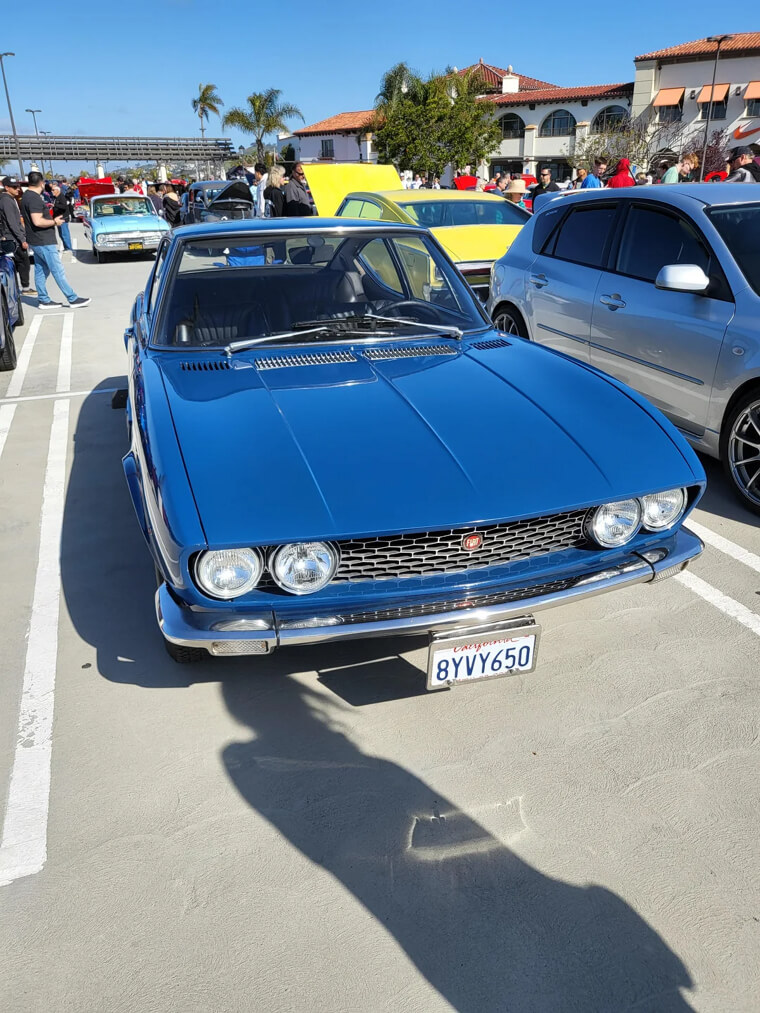
It brought an intoxicating taste of exotic, race-bred Ferrari mechanical soul to a much more accessible Fiat price point, creating a joyful, high-revving open-top driving experience that thrilled sports car enthusiasts worldwide.
1962 Alfa Romeo 2600 Spider
The successor to the 2000, the Alfa Romeo 2600 featured a homogenous, Ferrari-inspired design that emphasized the continuity between hood, tail, and arches, giving the vehicle an impeccably neat silhouette and profile. The 1962 Alfa Romeo 2600 Spider represents the glorious, smooth-riding flagship of Alfa’s golden era. Styled beautifully by Carrozzeria Touring, this elegant convertible was built around a sophisticated, silky-smooth 2.6-liter inline-six engine featuring triple carburetors. Unlike its smaller, more frantic siblings, the 2600 Spider was a mature, cross-continental cruiser designed to carry occupants in relaxed, high-style comfort at high speeds.
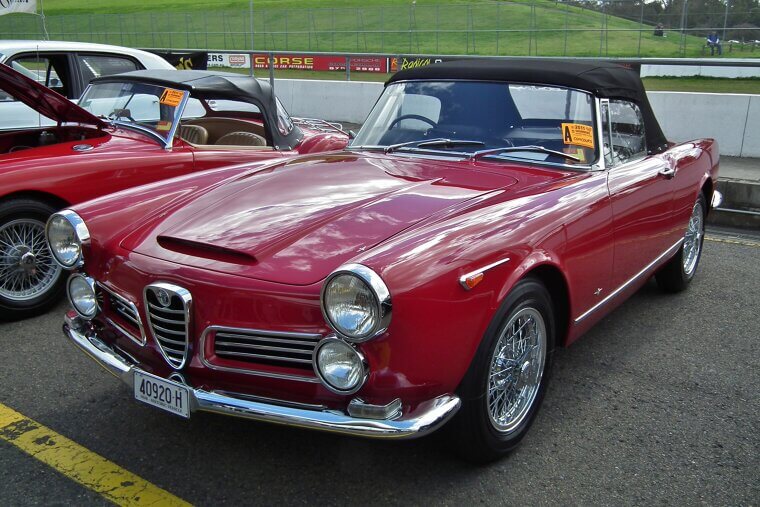
It brought a profound sense of effortless Italian dignity and mechanical refinement to the luxury sports market, making it a highly favored choice for sophisticated drivers who valued comfort alongside performance.
1961 Lincoln Continental 4‑door Convertible
Unlike most of the other entries here (which all emphasize the sleekness of their curves), the ‘61 Continental is much more angular, but is no less attractive because of it. The 1961 Lincoln Continental 4-door Convertible completely revolutionized American luxury design with its clean, elegant "slab-sided" styling and complete lack of excessive chrome. Its most iconic, culturally significant feature was its rear-hinged doors, which allowed passengers to enter and exit the spacious cabin with unmatched grace.
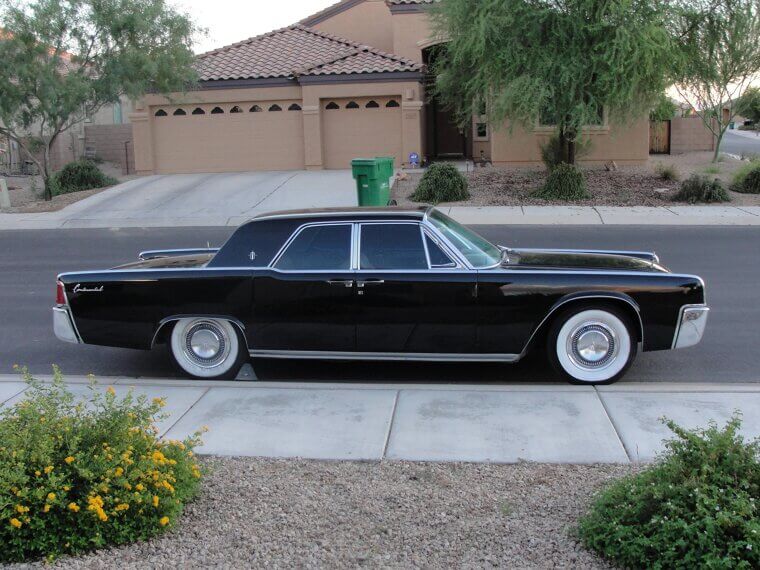
This massive convertible featured a complex, power-operated top that disappeared completely into the trunk, leaving a perfectly smooth silhouette. It brought a highly sophisticated, architectural sense of modern minimalism to car culture, serving as the definitive, elegant ride for high-profile politicians and mid-century celebrities.
1953 Packard Caribbean
Packard eventually went defunct in 1956, making the Caribbean - released just three years earlier - something of a last hurrah. The 1953 Packard Caribbean is a stunning, limited-production masterpiece that represents the proud brand's final, luxurious stand against its Detroit rivals. Built to showcase the absolute best of American custom coachwork, the Caribbean featured gorgeous, fully open wheel wells, a prominent hood scoop, and an ultra-luxurious leather interior. It brought a highly localized, bespoke sense of style to the market, utilizing premium finishes and smooth straight-eight power.
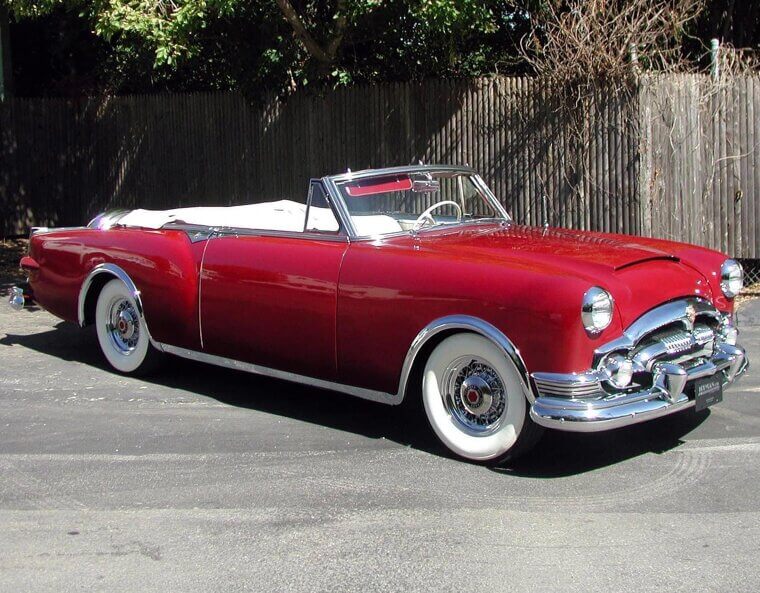
This ultra-exclusive boulevard cruiser remains an iconic symbol of traditional American luxury, capturing a wonderful moment of post-war optimism and uncompromised, high-end automotive craftsmanship.
1962 Chevrolet Corvette
The Corvette may not really fit in with many of the other more elegant and refined models on this list, but it’s a classic for a reason, and still the dream car of many people. The 1962 Chevrolet Corvette holds a deeply special place in car culture as the ultimate transition model that closed out the historic first generation of America's sports car. It was the very first year the Corvette received the legendary, larger 327 cubic-inch V8 engine, giving it an incredible boost in horsepower and torque. Designers also stripped away the traditional two-tone paint options and excessive chrome, replacing them with a cleaner, meaner look.
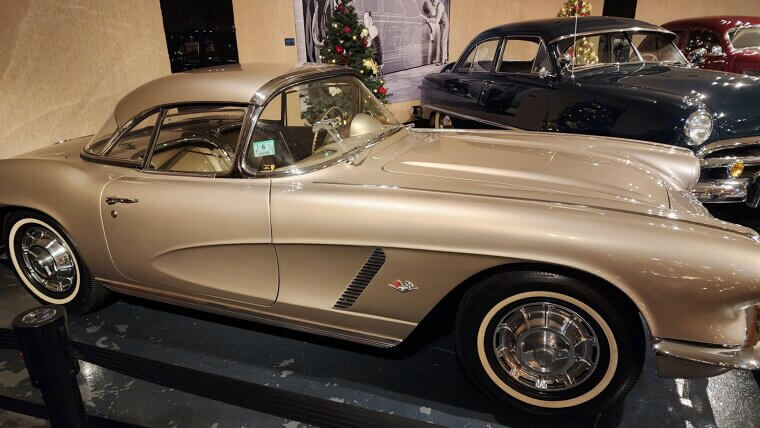
This mechanical muscle and styling shift laid the crucial, high-performance blueprint for the wild muscle car era that was about to explode.