
In a world obsessed with the latest "superfoods," we often forget that the four walls around us are the ultimate brain-boosting tools. From "sunlight mimics" to sensory-rich spaces, these simple home tweaks are designed to sharpen your focus, soothe your nervous system, and support lasting cognitive health. Ready to turn your living space into a sanctuary for your mind? Let’s dive in!
The "Sunlight Mimic" Morning Routine With Circadian Bulbs
As we age, our internal clocks can get a little sluggish, leading to foggy mornings and restless nights. By swapping your standard bedroom bulbs for smart circadian lighting, you can simulate a natural sunrise. These bulbs gradually shift from a warm amber to a crisp, blue-toned white, signaling to your brain that it is time to suppress melatonin and ramp up cortisol. This gentle nudge helps maintain a consistent sleep-wake cycle.
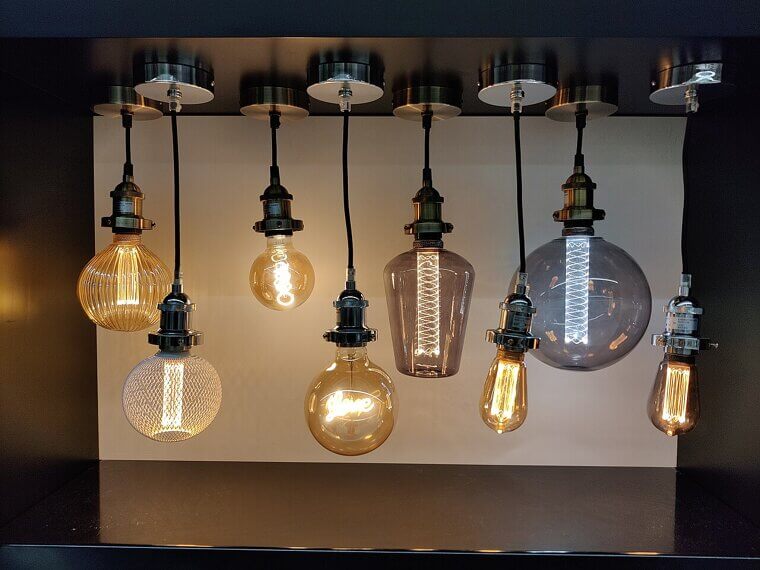
And a consistent sleep-wake cycle is reportedly one of the most effective ways to clear out metabolic waste from the brain and keep your memory sharp and focused.
A Living "Oxygen Bar" of Snake Plants for Nighttime Clarity
Integrating biophilic design isn't just about aesthetics; it’s about air quality. Unlike most plants that rest at night, the Snake Plant continues to convert carbon dioxide into oxygen while you sleep. Placing a few of these in the bedroom creates a localized "oxygen bar" effect. Improved oxygen saturation in your sleeping environment allegedly supports deeper REM cycles. Ensuring the brain is well-oxygenated during rest is a simple, low-maintenance hack to prevent that dreaded "brain fog."
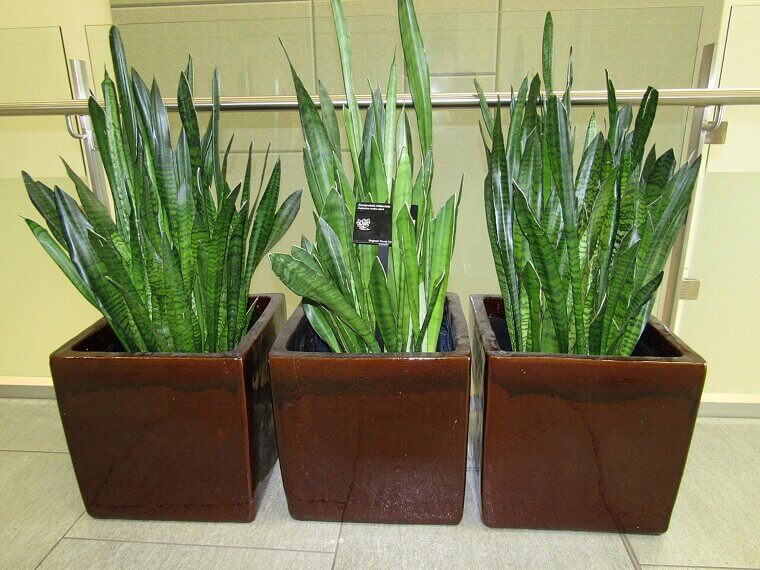
Brain fog often settles in after a night of breathing stale, recycled indoor air. This fresh air boost keeps your neurons firing efficiently every single morning.
Installing "Blue-Blocker" Film on Your Evening Windows
While natural light is wonderful during the day, artificial "blue light" from streetlamps or security lights can wreak havoc on an evening wind-down. Applying a subtle, amber-tinted UV film to bedroom windows can filter out these disruptive wavelengths. This helps the brain naturally transition into a state of calm. Many experts suggest that minimizing blue light exposure after dusk is a key component of neuro-wellness.

It allows the pineal gland to function without interference, potentially protecting long-term cognitive health by ensuring the brain gets the restorative downtime it truly requires. This simple film acts as a shield for your sleep quality.
The "Texture-Rich" Hallway for Sensory Grounding
As we navigate our homes, our brains rely heavily on sensory feedback to maintain balance and spatial awareness. Adding a textured runner or a "pebble" rug in high-traffic hallways provides tactile stimulation to the soles of the feet. This constant, gentle feedback keeps the somatosensory cortex—the part of the brain that processes touch—active and engaged. It is a subtle form of "neuro-bics" that reportedly helps with proprioception and balance.
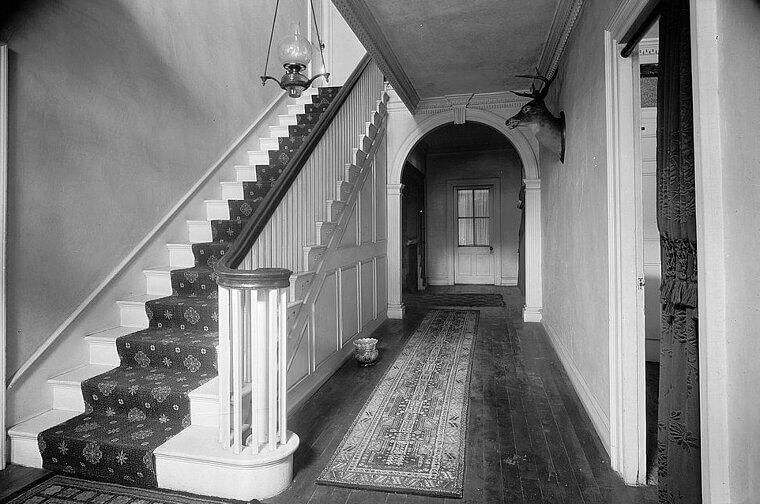
Proprioception and balance are crucial for maintaining confidence and physical coordination, all while making the home feel like a high-end, sensory-focused spa. It keeps your mind connected to your physical movement.
The "Aromatic Anchor" With Rosemary-Scented Entryways
Scent is the only sense with a direct line to the brain's memory centers. Placing an essential oil diffuser near the front door with rosemary or peppermint can act as a cognitive "wake-up call." Rosemary, in particular, has been studied for its potential to boost memory and alertness. By consistently smelling these scents when entering or leaving, you are reportedly creating an "anchor" that primes the brain for transition.

It is a simple, delightful way to utilize the limbic system to keep the mind sharp and the mood elevated every time you walk through your own front door each day.
The "Water Wall" Feature for Auditory Masking
The sound of running water is universally soothing, but it also serves a functional cognitive purpose. A small indoor water fountain can mask distracting "erratic" noises—like distant traffic or a humming refrigerator—with "pink noise." Unlike white noise, pink noise has a more natural, rhythmic frequency that reportedly helps synchronize brain waves. This leads to better concentration during the day and more restorative sleep at night.
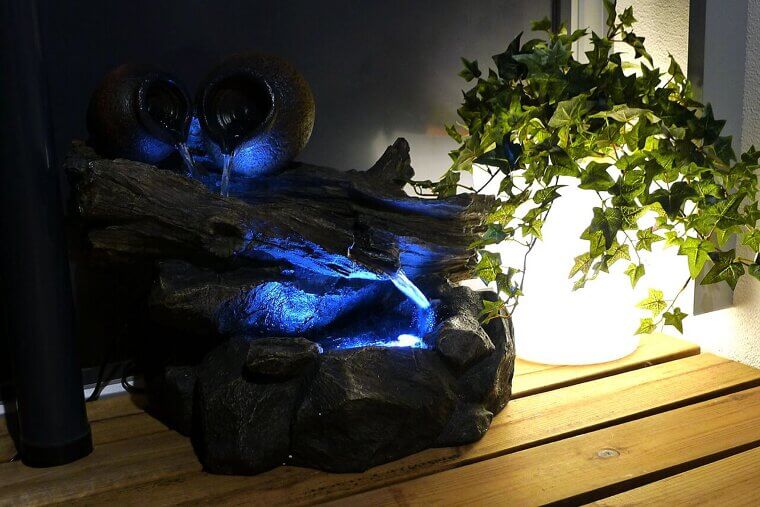
It is a beautiful way to bring the calming essence of a mountain stream into the home to support a steady, focused, and tranquil mind while reducing the impact of external auditory stress.
Ergonomic "Task Trays" for Creative Continuity
Starting and stopping projects can be a hurdle for cognitive flow. By using "task trays" for hobbies like knitting, painting, or letter writing, you can keep materials organized and ready to go. When you want to work, you simply pull out the tray; when you're done, you tuck it away without dismantling your progress. This reportedly helps with "executive function" by lowering the barrier to entry for complex tasks. Keeping the brain active with hobbies is essential for longevity.
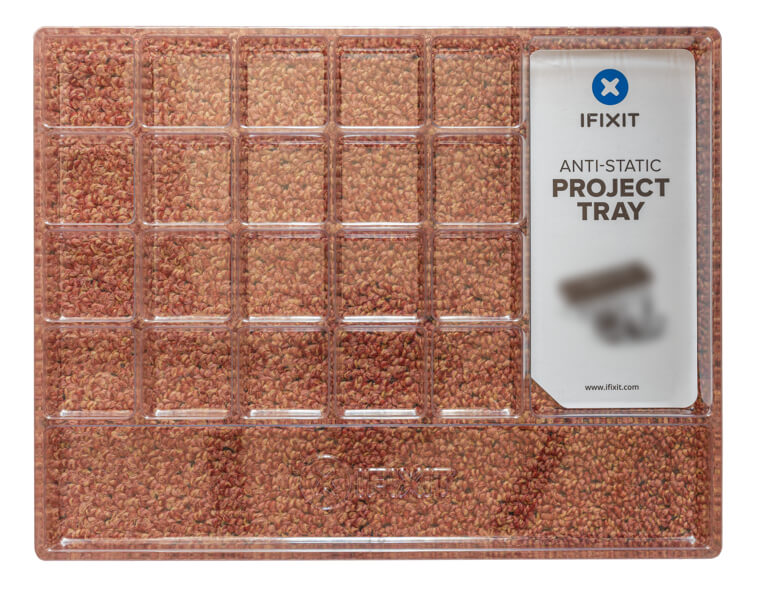
This hack ensures that a creative spark isn't extinguished by the chore of setup and cleanup every time.
Warm-Toned "Path-Lights" for Safe Midnight Navigating Without Disturbing Your Sleep
If you have to get up during the night, harsh overhead lights can "shock" the brain into full wakefulness, making it nearly impossible to fall back asleep. Installing low-profile, motion-activated LED strips under the bed frame or along baseboards in a warm amber hue provides just enough light to see without disrupting melatonin production. This keeps the brain in a "sleep-ready" state. It is a safety-first modification that reportedly protects sleep architecture.
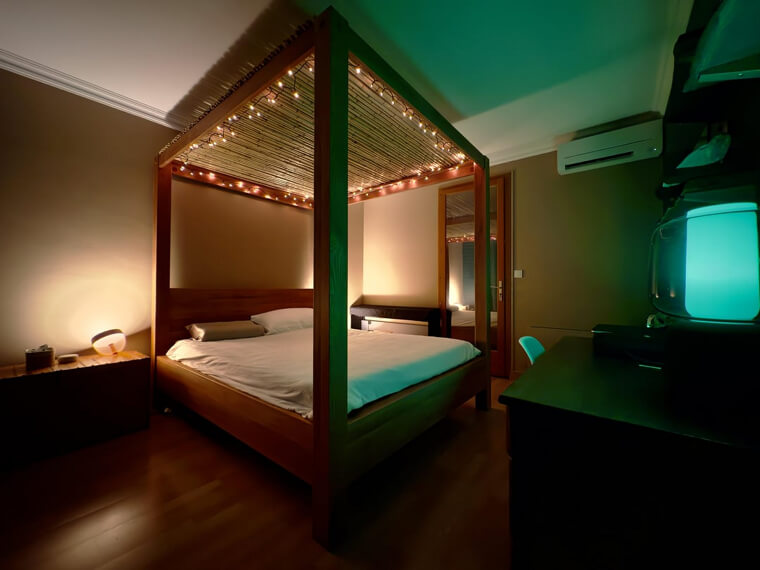
And sleep is the foundation of cognitive health, memory consolidation, and overall emotional well-being for the long term, ensuring you wake up feeling completely refreshed and mentally alert.
Mirror Placement for "Natural Light Cascades"
Strategic mirror placement can effectively double the amount of natural light in a room by bouncing it into darker corners. Natural light exposure is a major driver of Vitamin D production and serotonin levels, both of which are critical for mood and cognitive function. By angling a mirror opposite a window, you create a "cascade" effect that brightens the space. A brighter home reportedly combats "SAD" (Seasonal Affective Disorder) and keeps the brain feeling alert and vibrant.

It’s a clever design trick that uses physics to support mental health and keep the shadows at bay in every room.
Visual "Checklist" Chalkboards in High-Traffic Zones for Brain Dumping and Remembering
As we juggle more responsibilities, the "working memory" can sometimes feel a bit full. Installing a stylish chalkboard or glass dry-erase board in the mudroom or kitchen provides a physical space for "brain dumping." Writing down "top three" tasks for the day offloads that information from internal memory to an external source. This reportedly reduces anxiety and prevents the "tip-of-the-tongue" frustration. For many, this simple visual aid acts as a cognitive scaffold.

It helps to maintain a sense of control and organization in a busy, modern world without the stress of forgetting important chores or appointments throughout the day.
"Memory-Boosting" Gallery Walls of Recent Adventures
While it is common to display old family photos, incorporating "recent" wins and adventures into a gallery wall is reportedly better for cognitive health. Seeing photos of a trip taken last year or a recent garden success triggers "autobiographical memory" retrieval. This keeps the timeline of events clear and vivid in the mind. It encourages the brain to reinforce recent neural pathways rather than just relying on deep-seated childhood memories.
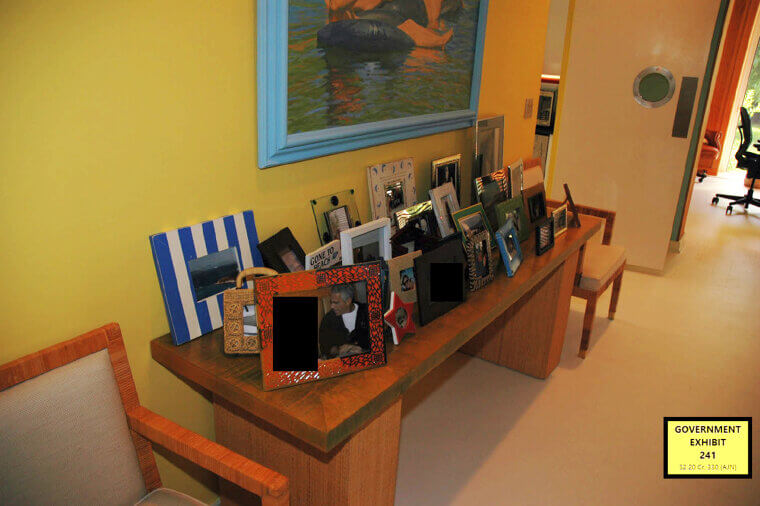
It is a beautiful way to stay present and celebrate current life, which is a major factor in maintaining a positive, forward-looking mindset and a healthy, vibrant sense of personal history.
The "Velvet Touch" Accent Wall for Tactile Diversity
In an increasingly digital world, we often lack "tactile diversity." Adding a textured wallpaper or a velvet-upholstered accent wall provides a rich sensory experience. Gently running a hand over different textures reportedly stimulates the brain’s neuroplasticity by engaging the somatosensory system in new ways. It’s a sophisticated design choice that doubles as a "brain break." These subtle sensory "surprises" around the home can keep the mind engaged with the physical environment.

And doing so prevents the mental stagnation that can come from living in a purely smooth, sterile, or low-engagement living space that offers very little for the sense of touch.
Under-Sink "Slide-Outs" to Eliminate Physical Frustration
Bending and reaching into dark, cluttered cabinets isn't just physically demanding; the frustration can cause a spike in stress hormones. Installing slide-out shelving under sinks makes everything visible and accessible. By removing the "hide and seek" aspect of household chores, you reduce the micro-stresses of the day. A frustration-free home reportedly allows for a smoother cognitive experience, as you aren't constantly being diverted by small, annoying obstacles.
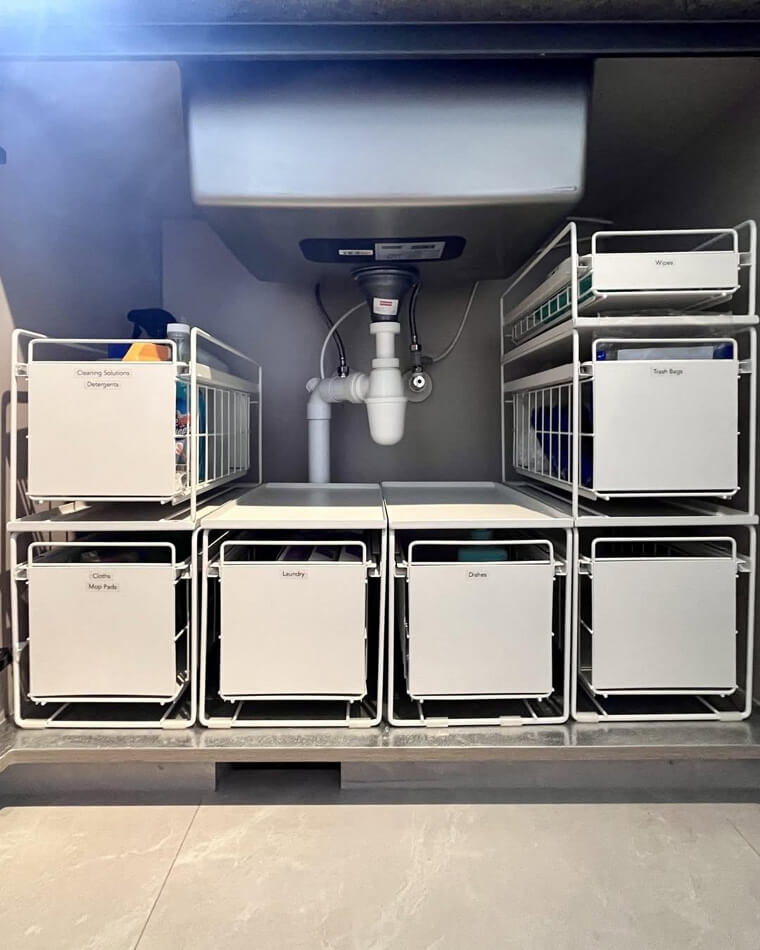
It’s a practical modification that keeps the home—and the mind—running like a well-oiled machine without unnecessary physical or mental strain, leaving you more energy for the things you actually enjoy.
The "Herb Garden" Windowsill for Sensory Synergy
Growing herbs like basil, mint, and thyme on a kitchen windowsill offers a triple-threat of brain benefits: visual greenery, aromatic stimulation, and the cognitive task of nurturing a living thing. The act of "tending" reportedly lowers blood pressure and improves focus. Plus, having fresh herbs to toss into meals provides the brain with essential phytonutrients. This "sensory synergy" keeps the kitchen vibrant and the mind engaged with the cycles of nature.
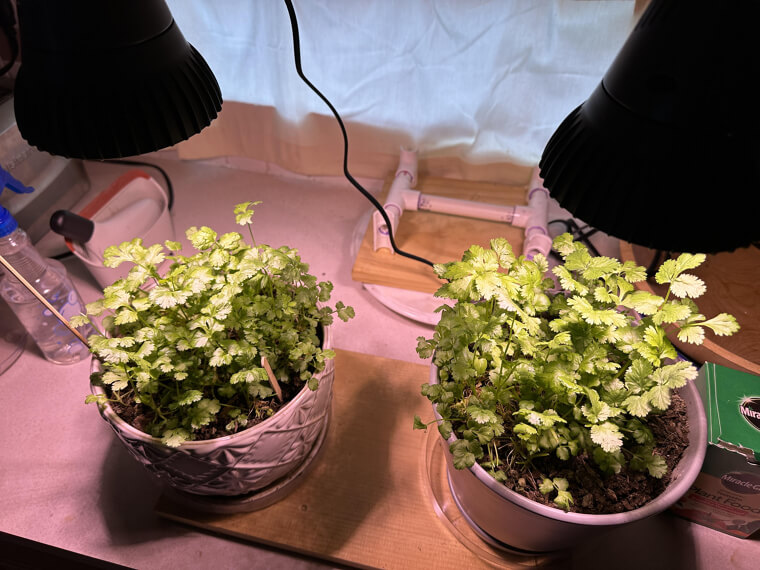
It is a low-cost, high-reward habit that brings a bit of the "Blue Zone" lifestyle directly into your own home, boosting both your culinary skills and brain health.
Acoustic Wall Panels That Look Like Fine Art
Echoes and "sound bouncing" in a room with hard surfaces can make it difficult for the brain to parse speech, leading to social fatigue. Modern acoustic panels now come disguised as beautiful canvas art or geometric wood designs. By absorbing excess noise, these panels create a "hushed" environment that makes conversation easier and more enjoyable. This reportedly reduces the "listening effort" required by the brain. A quieter home allows for deeper connection and clearer thinking.
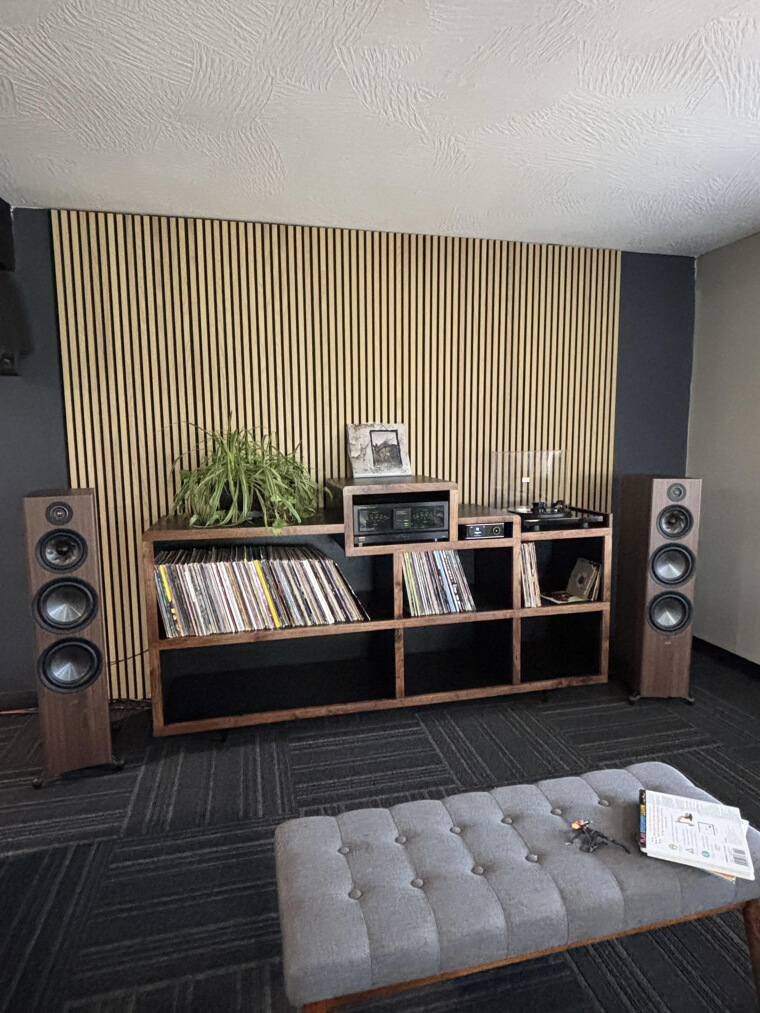
It turns any room into a serene sanctuary for high-level cognitive function and more relaxed social interactions with friends and family members every day.
The "Weighted Blanket" Tuck-In for Deep Pressure Therapy
Restorative sleep is the cornerstone of brain health, and a weighted blanket is a game-changer for many. The gentle, even pressure—known as "Deep Pressure Stimulation"—reportedly helps the brain release serotonin and dopamine while lowering cortisol. This provides a sense of security, signaling to the nervous system that it is safe to power down. Improved sleep quality from this simple addition can lead to better memory consolidation and emotional resilience.

And that makes it a "blueprint" essential for anyone looking to support their cognitive longevity through much deeper, more consistent rest, which is exactly what your hardworking brain needs each night.
"Contrast" Flooring Edges for Spatial Confidence
As spatial processing evolves, being able to clearly see transitions between rooms is vital. Adding a contrasting strip of wood or tile at doorways—or even just a different colored transition piece—provides a clear visual marker for where one room ends and another begins. This "high-contrast" design reportedly helps the brain map out the home more efficiently, reducing the mental energy spent on navigating and preventing trips or stumbles.

It builds "spatial confidence," allowing for graceful movement through the home, which is a key component of maintaining an active, independent lifestyle while keeping your cognitive spatial map updated and accurate.
The "Clock-Free" Bedroom for Timeless Sleep
Checking the clock in the middle of the night can trigger "sleep anxiety," where the brain starts calculating how many hours are left before the alarm. Removing visible digital clocks from the bedroom—or turning them toward the wall—removes this stressor. This reportedly allows the brain to stay in a "theta" wave state rather than jumping into "beta" (active) waves. By letting the body follow its own rhythm without the pressure of time, you improve the quality of deep sleep.
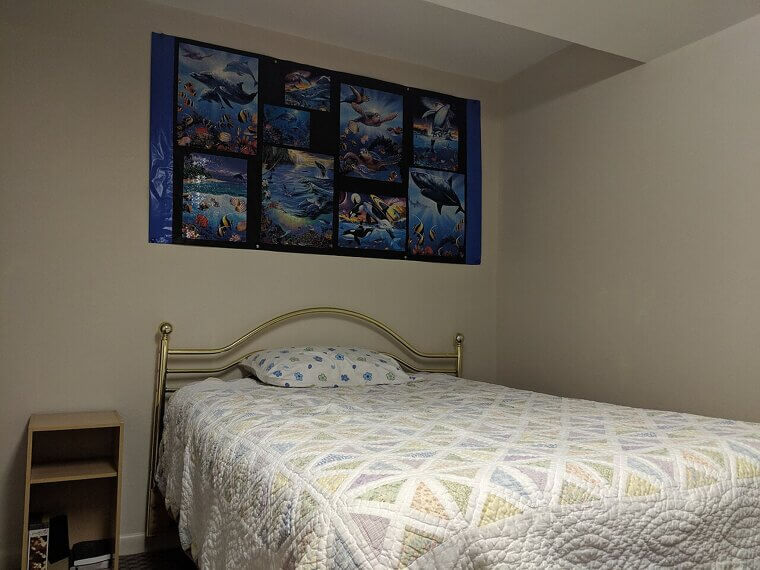
And that is when the brain does its most important "housecleaning," repairing and reorganizing itself for the day ahead.
Round-Edge Furniture for "Flow" and Safety
In neuro-aesthetics, sharp corners are often seen as visual triggers that can prompt a subconscious stress response. Replacing sharp-edged coffee tables or desks with rounded, organic shapes creates a "flow" that feels more natural to the human brain. Humans are biologically "wired" to prefer curves over jagged lines. This change reportedly lowers the brain's "vigilance" levels, making the home feel safer and more inviting. It’s a design choice that supports a calm nervous system.
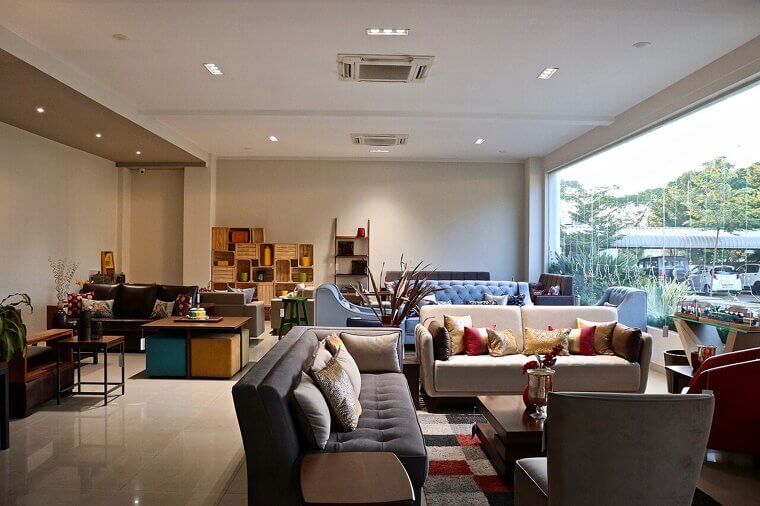
It allows you to move through your space without the subconscious fear of a painful bump, promoting a sense of ease, safety, and visual comfort.
The "Nature View" Desk for Restorative Breaks
If you spend time at a computer or doing paperwork, position your desk so you can see out a window. If a window isn't available, hang a large, realistic landscape painting. Looking at nature—even for 40 seconds—reportedly allows the brain’s "prefrontal cortex" to rest and recover from fatigue. This is known as "Attention Restoration Theory." This simple positioning can significantly extend the period of time one can stay focused on a task.
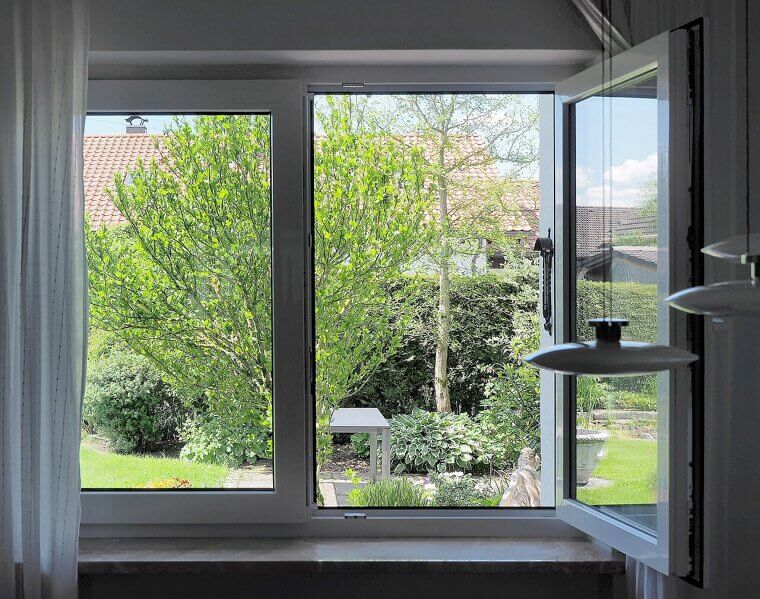
It makes mental work feel more like a breeze and significantly less like a cognitive burden, as your mind gets the micro-breaks it needs to stay sharp and productive.
The "Sound-Dampened" Laundry Room for Peace of Mind
The rhythmic, heavy thumping of a laundry machine can be surprisingly disruptive to deep thought or relaxation. Adding vibration-dampening pads under the washer and dryer—or installing a heavy, solid-core door—creates a "cone of silence." A quieter home environment is reportedly linked to better executive function and lower levels of chronic stress. By silencing the "background hum" of life, you give the brain the quiet space it needs to process information.
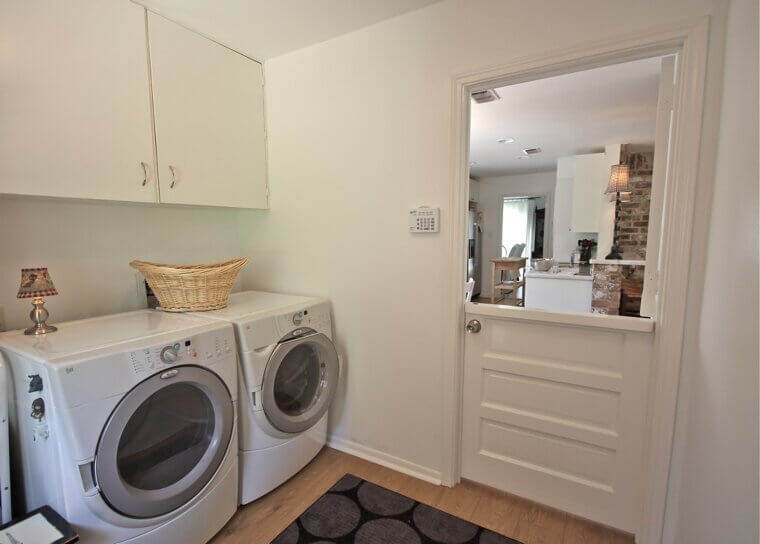
This quiet allows the brain to reflect on the day, and maintain a steady, calm, and resilient emotional state, which is essential for long-term mental health and overall cognitive longevity.
Pull-Down Shelving for "Cognitive Accessibility"
Nothing kills a productive mood like having to find a step stool to reach a top-shelf item. Installing pull-down shelving inserts in high cabinets makes everything accessible with a simple tug. This "universal design" feature ensures that the environment stays functional and frustration-free. By making the space adapt to the person—rather than the other way around—you reduce the "cognitive load" of daily chores. It’s a practical modification that keeps the home running smoothly.
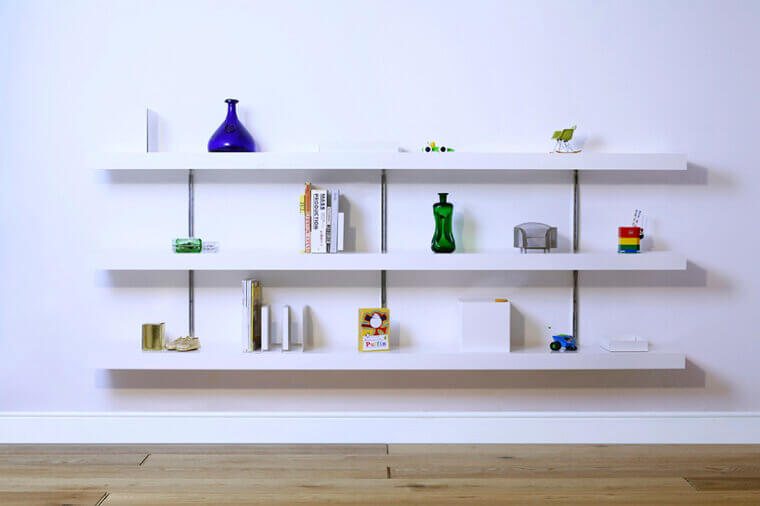
And it keeps the mind focused on the joy of creating rather than the chore of reaching, effectively removing physical barriers to your mental productivity.
The "Reading Nook" With 360-Degree Lumbar Support
Proper posture isn't just for the back; it’s for the brain. When we are hunched over, lung capacity is reduced, meaning less oxygen reaches the brain. Creating a dedicated reading nook with a chair that offers full lumbar support and an ottoman to elevate the feet encourages an open-chested posture. This allows for full, deep breaths, which reportedly improves focus and retention while reading. It turns a simple pastime into a cognitively enriching experience.
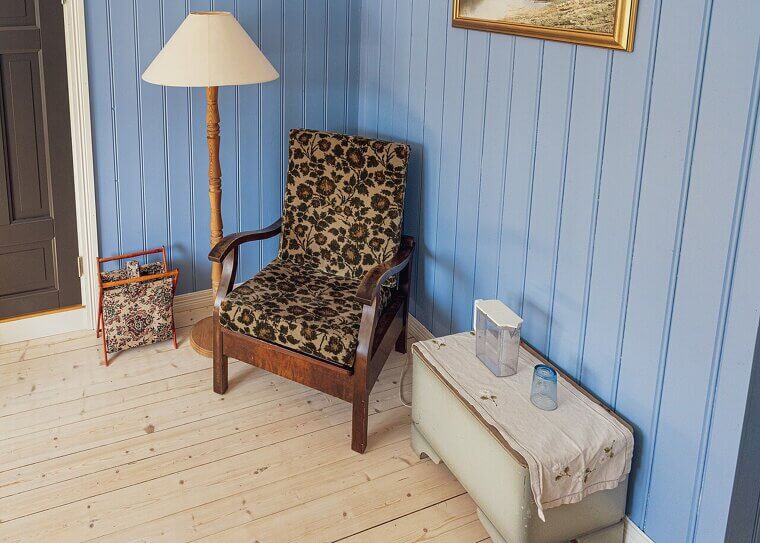
It does so by ensuring the physical body is aligned to support mental efforts and keep the mind sharp, energized, and ready to absorb new and exciting information.
The "Color-Coded Kitchen" Strategy to Reduce Decision Fatigue
Decision fatigue is a real drain on cognitive energy, especially when navigating a busy kitchen environment. By using bright, color-coded bins for different food groups—blue for dairy, green for produce, and red for proteins—you offload the mental work of searching. This visual shorthand allows the brain to function on autopilot for mundane tasks, saving precious "mental RAM" for more complex activities like learning a new language or engaging in deep conversation.
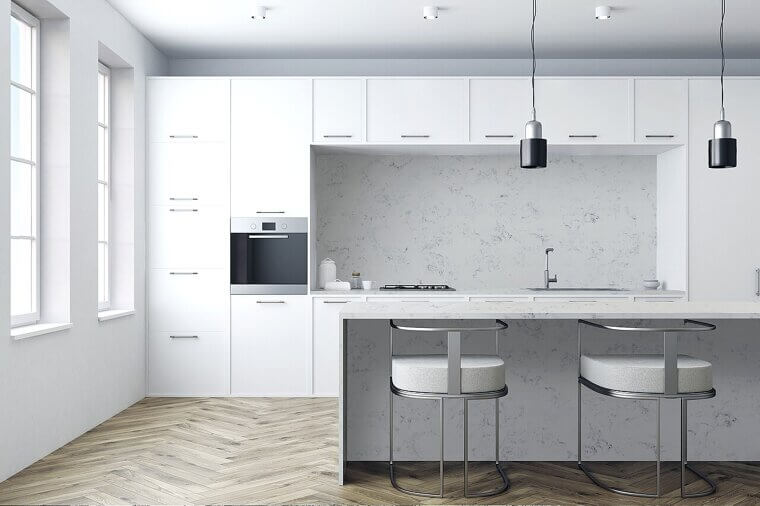
It’s a simple organizational tweak that reportedly lowers cortisol levels by reducing the micro-frustrations of daily life and clutter. It turns every meal prep into a streamlined, stress-free experience.
The "Golden Ratio" Art Placement for Visual Harmony
The way we decorate can actually influence the brain’s stress levels. Using the "Golden Ratio"—a mathematical symmetry found in nature—to hang wall art creates a sense of subconscious order. When our eyes perceive symmetry and natural proportions, the brain doesn't have to work as hard to process the environment. This reduces visual "noise." For many, this leads to a more serene atmosphere that allegedly fosters creative thinking and lowers anxiety.

It is a design-forward approach to neuro-wellness that turns a living room into a masterclass in calm, mathematical beauty, allowing your mind to rest and recover easily.
A Dedicated "Analog Sanctuary" to Unplug and Rewire
In a world dominated by digital pings and scrolls, creating one corner of the home that is strictly "tech-free" can be a sanctuary for the nervous system. Equip this space with comfortable seating, physical books, and tactile puzzles. By removing the temptation of screens, you encourage the brain to engage in "deep work" or "deep relaxation." This reportedly helps strengthen the neural pathways associated with sustained attention and focus.
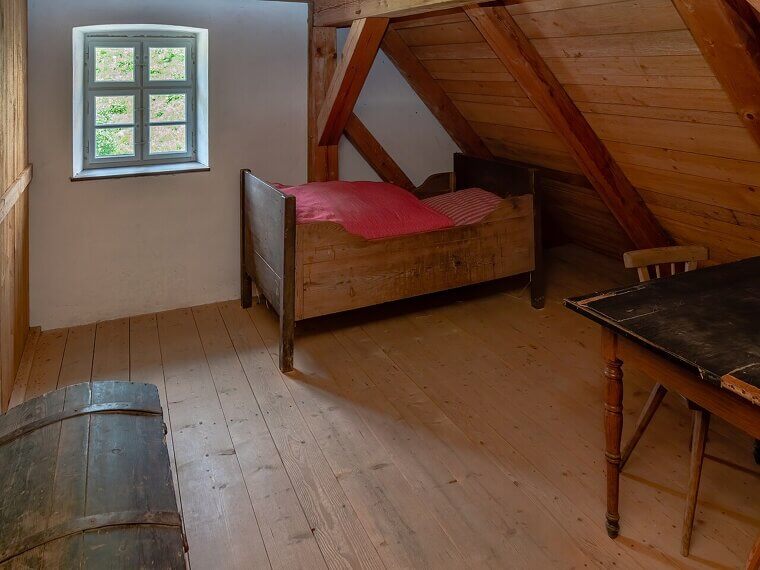
This intentional disconnect is a powerful tool to combat the fragmented attention spans that modern technology often forces upon the human brain, allowing you to reclaim your clarity and peace.
Soft-Close Hardware to Silence the "Startle Response"
Frequent loud noises, like slamming cabinets or drawers, can trigger a micro-startle response, sending a tiny jolt of adrenaline and cortisol through the system. Over time, these small stresses add up. Installing soft-close dampers on kitchen and bathroom cabinets creates a "whisper-quiet" environment. This keeps the nervous system in a "rest and digest" state rather than a "fight or flight" state. A calmer environment reportedly supports better emotional regulation and cognitive clarity.

In calm environments, the brain isn't constantly on high alert for sudden, jarring sounds that disrupt a train of thought. This creates a peaceful, high-functioning home atmosphere.
Anti-Glare Matte Finishes to Reduce Visual Strain
High-gloss countertops and floors might look sleek, but the resulting glare can cause significant eye strain and mental fatigue. Switching to matte or honed finishes—especially in sunny rooms—softens the way light bounces around. This makes it much easier for the brain to process visual information without the "interference" of bright reflections. Experts often note that reducing visual strain is a key part of maintaining cognitive stamina throughout the day.

This simple change can make reading labels or following recipes much more comfortable and significantly less mentally taxing for everyone in the household, preserving your precious mental energy.
The "Hydration Station" With Infused Water Carafes
Even mild dehydration can lead to significant cognitive decline, including poor concentration and mood swings. By setting up a dedicated "Hydration Station" on a counter with a beautiful glass carafe and pre-cut citrus or cucumber, you make drinking water an "event" rather than a chore. The visual cue of the carafe serves as a "nudge" for the brain to hydrate regularly. Staying properly hydrated reportedly helps maintain the volume of brain tissue.

And it ensures that nutrients are efficiently delivered to neurons, keeping the mind feeling alert, refreshed, and mentally "fluid" all day long, regardless of how busy your schedule becomes.
"Zoned" Lighting for Different Mental States
Using a single overhead light for everything is a missed cognitive opportunity. Instead, create "zones" with lamps of varying temperatures. Use cool, bright light over a desk for "focus work" and warm, dim lamps near a reading chair for "relaxation." This "environmental cueing" tells the brain exactly what state of mind it should be in. Reportedly, this helps with "task switching" and prevents the mental fatigue that comes from trying to focus in a space that feels too cozy.
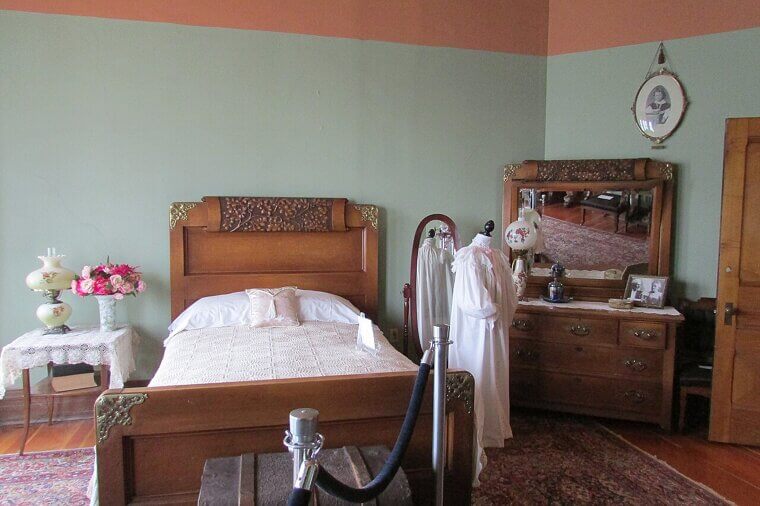
It also prevents the difficulty of relaxing in a space that feels like a brightly lit office, ensuring your mental state matches your current activity perfectly.
Non-Toxic "Green" Cleaning for Chemical Clarity
Many traditional cleaning products contain volatile organic compounds (VOCs) that can cause "brain fog" and irritation. Switching to "green" or bio-based cleaners ensures that you aren't breathing in neuro-disruptive fumes. Maintaining a "clean air" home is a subtle but powerful way to support long-term cognitive health. Reports suggest that reducing total toxic load allows the brain to function more efficiently. Plus, using products with natural scents like lemon or eucalyptus provides a pleasant, aromatherapy-style boost.

Boost to what, exactly? To mood and focus - and all while keeping the home environment pristine and safe for everyone, ensuring your air is as clear as your thoughts.
The "Curated Entryway" to Prevent Memory Overload
"Where are my keys?" is a question that drains mental energy. Creating a "launchpad" at the entry with a specific bowl for keys, a hook for bags, and a spot for mail ensures that the brain doesn't have to "track" these items. When the environment handles the "where," the mind is free to focus on the "what." This reportedly lowers daily stress levels and helps maintain a sense of competence. This simple organizational hack is a foundational "brain-saving" strategy.
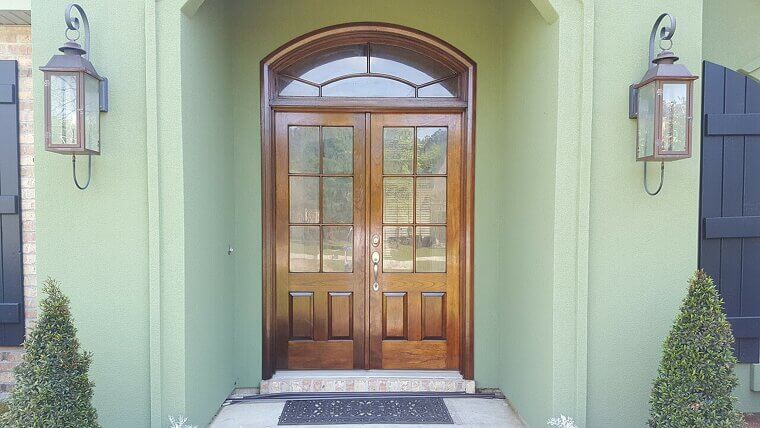
It keeps the morning routine smooth and the mind clear for the day, reducing the cognitive friction of getting out the door.
"Warm Dimming" Smart Lights for Evening Melatonin
Traditional dimmers often just make light "grayer," but "warm dimming" technology mimics the way an incandescent bulb or a candle behaves, turning more orange-red as it dims. This specific color shift is crucial for signaling to the brain that the day is ending. By installing these in main living areas, you create a "sunset effect" indoors. This reportedly helps prime the brain for a deep, restorative sleep cycle. It is a high-tech way to honor ancient biological roots.
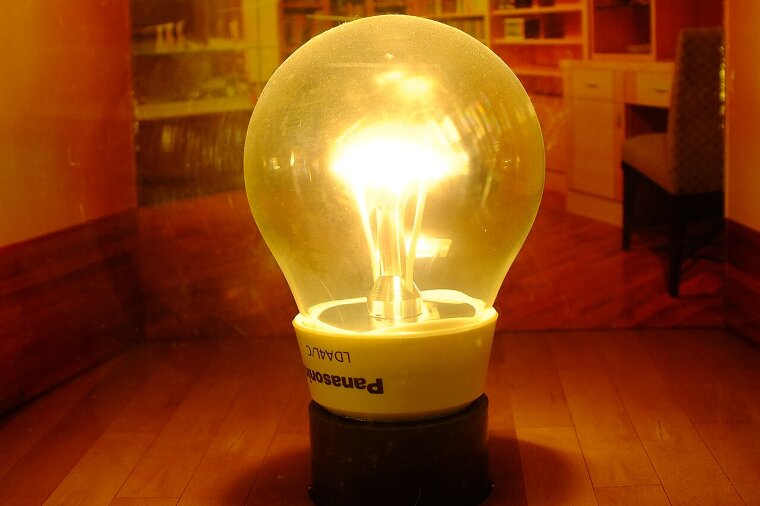
It ensures modern homes don't interfere with the brain's natural "shut-down" procedures, allowing you to drift into a peaceful sleep much more easily.
A "Tactile Library" of Varied Book Spines and Covers
There is a unique cognitive benefit to physical books over e-readers. The weight, the smell of the paper, and the "spatial" memory of where a fact was located on a page all help with retention. Keeping a physical library—even a small, curated one—encourages "active reading." The act of pulling a book from a shelf and flipping pages reportedly engages more brain regions than scrolling a screen. It’s a classic home feature that serves as a permanent "gym" for the mind.

It keeps vocabulary rich and the imagination active and healthy while providing a beautiful, tactile experience every time.
The "Community Table" for Social Neuro-Wellness
Perhaps the biggest "brain boost" comes from social connection. Designing a dining area with a "community table"—one that is easy to expand and encourages face-to-face interaction—is vital. Engaging in meaningful conversation is a "full-brain" workout that involves listening, processing, and responding. By making the dining space the "heart of the home" for friends and family, you are reportedly protecting against the cognitive decline associated with isolation.
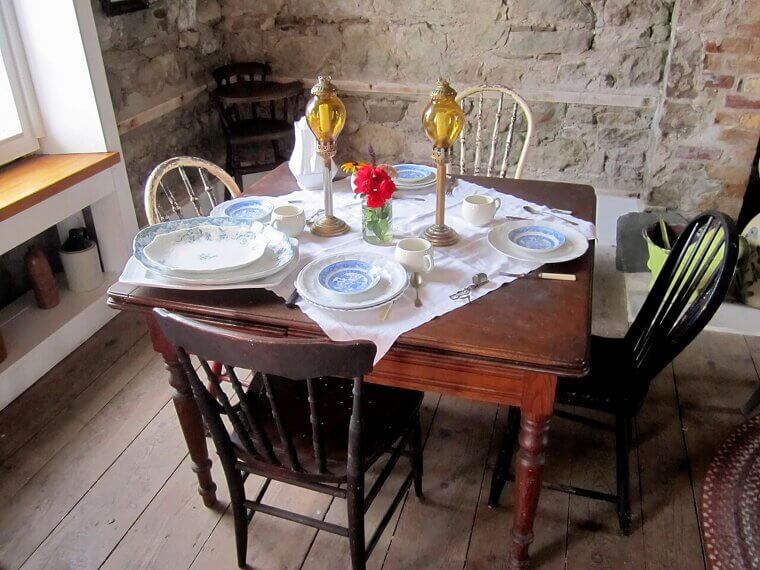
It is the ultimate blueprint for a happy home and a sharp, socially engaged, and resilient mind for years to come, ensuring your environment fosters connection and mental growth.